Soft glam is the look people mean when they say they want their eyes to look “done” without looking costumed. The crease has shape. The lid has a little light. Lashes are present. Nothing is smoked to the brow, and nothing is left as a single flat wash.
This guide is the dedicated version of a look that already shows up in pieces across wedding eye makeup, prom looks, and night-out makeup. Those articles treat soft glam as one option. Here it is the whole subject: shade map, order of operations, eye-shape changes, and the mistakes that turn the look muddy.
What Soft Glam Means on the Lid
A soft glam eye has four jobs, and they sit in four zones.
The transition zone (crease and a little above it) gets a matte one or two shades deeper than your skin. That shade creates the roundness people read as “makeup” even from a few feet away.
The outer third gets a deeper matte, usually a warm brown or muted burgundy. This is the only place the look should feel concentrated. If the deep shade travels across the whole lid, you have started a smokey eye and left the soft part behind.
The mobile lid gets a satin, champagne, rose gold, or fine bronze. Texture belongs here. Chunky glitter does not. Soft glam photographs as a glow, not as sparkle fallout on the cheek.
The inner corner and brow bone get a small amount of a light satin. A tight pinpoint of highlight opens the eye. A stripe of shimmer up the entire brow bone reads as dated and pulls attention away from the lid.
If you keep those four zones in that order of intensity, the look holds together on almond, hooded, round, and monolid eyes. The placement changes. The hierarchy does not.
Soft Glam vs Everyday vs Full Glam
Everyday eye looks are built for speed: primer, one crease shade, one lid shade, mascara. That is the right call for a weekday. Soft glam keeps the same color family and adds structure.
Full glam, bridal glam, and a classic smokey eye add more depth, more liner, and often a lower-lash smoke. Soft glam stops before the lower lash line gets heavy. A thin brown or taupe tightline is fine. A black waterline is usually too much unless you are going out at night and want the look to lean sultry.
A useful check: if you took a flash photo and the crease still has a gradient, the lid still has a sheen, and the under-eye is clean, you are in soft glam territory. If the lid has gone matte-dark to the inner corner, you crossed into smokey. If the lid is one even champagne with no crease, you are still in everyday.
The Shade Map
Work with five pans, even if your palette has fourteen. Naming them by job keeps you from grabbing whatever looks pretty in the pan and dumping it in the wrong zone.
- Skin-close matte. One shade deeper than your lid. This is the blender and the mistake-eraser.
- Transition matte. Warm taupe or soft cocoa. This is the crease.
- Depth matte. Chocolate, terracotta-brown, or muted burgundy. Outer third only on the first pass.
- Lid satin. Champagne, rose gold, peach-bronze, or a fine copper. No large glitter particles.
- Open-up satin. A lighter champagne or soft pearl for the inner corner. Optional on the center of the lid if you want a faint halo without doing a full halo look.
You do not need a black pan. Soft glam almost never does. A black matte in the outer corner is the fastest way to lose the “soft” half of the name.
If you already own Anastasia Beverly Hills Soft Glam, the usual mapping is a light matte for the blender, a mid taupe or dusty rose for the crease, a deeper brown or burgundy for the outer third, and a champagne or bronze shimmer for the lid. If you are shopping drugstore, the NYX Ultimate Shadow Palette in a warm-neutral colorway has the same jobs in a lighter, drier formula that is easier to control when you are still learning pressure.
Maybelline The Nudes and the e.l.f. Bite-Size quads cover the same map if you pick a warm set. Rose-leaning palettes such as Urban Decay Naked3 work when you want the crease to read pink-taupe instead of cocoa.
What You Need Beyond Shadow
Primer is not optional if your lids get shiny before lunch. A thin layer of Urban Decay Eyeshadow Primer Potion gives powder something dry to hold. Let it set for about thirty seconds. A thick, wet layer of primer is a common reason soft glam creases in the fold by mid-afternoon. For more on that failure mode, see how to stop eyeshadow from creasing.
Set the primer with a whisper of translucent powder. NYX Professional Makeup Setting Powder is enough. You are not baking. You are taking the last bit of tack off the lid so the first matte shade does not grab in patches.
Brushes matter more than a tenth palette. You need a fluffy crease brush, a smaller tapered brush for the outer third, a flat shader or your fingertip for the lid satin, and a clean blender. If you only own two brushes, use the fluffy one for transition and blending, and the denser one for depth and lid. Our eyeshadow brush guide breaks down which shape does which job.
Concealer is a cleanup tool here, not a cut-crease tool. A small amount of Maybelline Instant Age Rewind on a flat brush can sharpen the outer corner if shadow drifted onto the brow bone. You are tidying an edge, not painting a new crease.
Liner stays thin. A felt-tip such as NYX Epic Ink Liner works if you can keep the line tight to the lashes. A brown or charcoal pencil is more forgiving and still reads as glam once you smoke it a millimeter into the lash line.
Lashes finish the look. Two coats of a lengthening-volumizing mascara such as Maybelline Lash Sensational are the default. Soft glam can take a wispy false lash. It rarely wants a thick strip that hides the lid work you just did.
Step-by-Step Soft Glam Eye
Do this with your face pointed at a mirror, not down at a phone camera. Looking down changes the crease and is how people accidentally place depth on the lid instead of in the socket.
1. Prime, then wait
Apply primer from lash line to brow bone in a thin film. Wait until it feels dry to the touch. If you apply shadow while the primer is still slippery, the first matte shade will streak.
2. Set and lay the blender
Press a small amount of translucent powder over the primer. Then sweep the skin-close matte all over the lid and into the crease. This equalizes the lid color so later shades blend into a base instead of into bare skin or leftover concealer.
3. Build the crease with the transition shade
Load the fluffy brush, tap off the excess, and windshield-wiper the transition matte through the crease. Start with less than you think you need. Soft glam is a build, not a dump.
Keep the highest point of the blend just above the natural crease on most eye shapes. On hooded eyes, keep the eye open and place this shade where you can still see it when your eye is relaxed. That is the same open-eye rule from the hooded eyeshadow guide.
4. Add depth in the outer third only
Switch to the smaller tapered brush. Pick up the depth matte. Press it into the outer corner, then blend in small circles toward the center, stopping around the outer third. The inner two-thirds of the lid should stay lighter.
If the deep shade jumped too far inward, go back to the transition shade on a clean fluffy brush and pull the edge back out. Do not add more deep shade to “fix” a muddy middle. That is how the look turns into an accidental smokey eye.
5. Place the lid satin
Press, do not sweep, the champagne or rose-gold satin onto the mobile lid. A fingertip gives the most even foil-like payoff on a small lid. A flat shader brush is cleaner if you are wearing a pale top and want less fallout.
Leave a little of the crease work visible. If you pack satin all the way into the socket, you erase the dimension you just built.
6. Open the inner corner
Tap the lightest satin into the inner corner with a small brush or the tip of your finger. Keep it to a triangle the size of a grain of rice, not a stripe down the nose. On close-set eyes, keep this highlight even smaller and shift attention to the outer third instead. That is the same optical logic as makeup for close-set eyes.
7. Tidy, then line
Check the brow bone. If shadow landed there, wipe it with a clean brush or a dot of concealer. Then tightline the upper lashes or draw a thin line that stays in the lash line through the inner two-thirds and only lifts at the outer corner.
Soft glam wings are short. Think of a lifted comma, not a graphic flick. If you want a longer wing, you have moved toward a cat eye, which can still work, but keep the shadow soft so the liner does not fight the crease.
8. Lower lash line, lightly
A small amount of the transition shade under the outer third of the lower lashes connects the look. Skip the inner lower lash line. A full ring of dark shadow shrinks the eye and reads as tired rather than glam.
9. Curl and mascara
Curl the lashes so the lid satin stays visible. Wiggle mascara at the roots and pull through. A second coat on the outer lashes adds the lift that soft glam is known for. If you add a false lash, choose a wispy style and keep the inner corner sparse.
10. Check both eyes with your face level
Look straight ahead. The two outer corners should sit at the same height and the two lid satins should match in size. Most mismatch happens because one eye was done looking down and the other looking forward.
How to Change Placement by Eye Shape
The shade map stays the same. The geometry changes.
Hooded eyes
Keep the eye open for crease and depth. Place both above the fold so they are visible when you talk and blink. Use a satin lid shade, not a glitter, because hooded lids crease product into the fold. Blend the outer depth slightly upward toward the tail of the brow rather than down into the outer corner. More on that in how to apply eyeshadow on hooded eyes.
Monolids
You do not have a deep socket to hide a gradient. Apply the transition shade in a soft gradient from lash line upward, then add depth at the outer third and keep the lid satin on the center. A thin tightline does more than a thick wing, which can disappear when the lid folds. See monolid eye makeup for the gradient logic.
Downturned eyes
Angle the outer depth and any wing up toward the brow tail. Do not let the deep shade follow the natural dip of the outer corner. Keep lower-lash shadow on the inner-to-center third or skip the outer lower corner entirely. The downturned eyes guide is the longer version of this lift.
Round eyes
Concentrate depth in a sideways V at the outer corner and keep the lid satin elongated rather than circular. A round wash of shimmer in the center makes round eyes look rounder. Pull the transition shade slightly outward. Details live in the round eyes makeup guide.
Almond eyes
Almond eyes can wear the default map with almost no change. Use that extra room for a slightly wider lid satin and a cleaner outer V. The almond eyes guide covers liner choices if you want the wing to follow the natural taper.
Wide-set eyes
Keep the inner-corner highlight modest and start the crease shade a little closer to the inner third so the eyes do not look farther apart. Depth can sit a bit more centered than usual. Wide-set eyes makeup explains the inward pull.
Deep-set eyes
Light on the lid does more work than depth in the socket, because the socket is already shadowed. Use a lighter satin on the lid and a softer transition shade. Heavy outer-corner brown can sink the eye. See deep-set eyes makeup.
Skin Tone and Undertone Notes
Soft glam is a warmth-and-depth problem more than a brand problem.
On fair skin, the transition shade should still be visible. A shade that disappears on your hand will disappear on your crease. Peach-taupe and light cocoa usually beat gray-taupe, which can look dirty on pink or olive-fair lids.
On medium skin, rose-brown, warm bronze, and terracotta-brown are the crease workhorses. Champagne lid shades that look icy on fair skin often look correct here. If a “nude” lid shade vanishes, step one shade deeper or switch to a rose gold.
On deep skin, skip pale bone mattes in the crease. They ash out. Use a rich mid-brown or warm terracotta as the transition, then a deeper chocolate or burgundy for the outer third. Lid satins should have visible pigment: bronze, copper, gold, or a warm pearl. The eyeshadow for dark skin tones guide has more on which finishes hold up.
Cool undertones can still wear soft glam. Swap cocoa for a taupe with a hint of mauve, and swap gold lid satin for a rose or soft pewter with a fine sheen. Stay away from orange-leaning transition shades, which fight pink or olive-cool lids.
Warm undertones can lean into peach, bronze, and terracotta without much editing. The risk is going so warm that the look turns into a sunset eye. Keep the deepest shade brown, not rust, unless you are doing the bronze variation below.
Liner, Brows, and Lashes for Soft Glam
Liner should support the shadow, not replace it. Tightlining hides gaps in the lash line and makes mascara look thicker. A visible wing is optional. If you add one, keep it short and follow the lower lash-line angle upward, then stop.
Brown and deep plum liners sit closer to soft glam than jet black, especially in daylight. Black is fine for evening if the rest of the eye stays blended.
Brows should look groomed and slightly fuller than a bare brow, not drawn on as a second graphic. Soft glam already has a defined crease. A blocky brow fights that shape. Fill sparse areas and brush the hairs up. The eyebrow pencil guide covers a light hand.
Lashes are where people under-finish the look. A blended crease with bare, straight lashes still reads unfinished in photos. Curl first. Then mascara. If you want more, a wispy half-lash on the outer corner keeps the lid satin visible. Save thick, full-strip lashes for night-out or holiday party makeup.
Four Wearable Variations
Once the default map is comfortable, change one variable at a time.
Rose soft glam
Use a dusty rose or mauve as the transition, keep depth as a rose-brown, and put a rose-gold satin on the lid. This is the version that shows up most in wedding guest makeup and indoor dinner lighting.
Bronze soft glam
Swap the lid satin for a fine bronze or copper and use a chocolate outer corner. This is the easiest variation on medium and deep skin, and it still works on fair skin if the bronze is not too orange.
Taupe office glam
Keep shimmer low. Use a satin taupe on the lid instead of champagne, and keep depth as a soft brown. This is the version that survives a workplace dress code while still looking like you did more than mascara.
Berry evening glam
Keep the lid champagne, but use a muted burgundy or plum in the outer third and a thin plum liner. Stop before you smoke the lower lash line. That single hue shift is enough for a dinner reservation without rebuilding the eye as a smokey look.
Do not mix all four at once. A rose crease plus bronze lid plus berry liner is how the look loses its name and becomes “a lot of warm shadow.”
Making It Last Through a Long Event
Soft glam fails in two predictable ways: the crease collapses into a line, and the lid satin slides into that line.
Prime, set, then apply. After the lid satin, you can press one more pinpoint of translucent powder along the crease only, not on top of the shimmer. That keeps oil from traveling into the fold.
If you know you run hot or you are dressing for a long ceremony, use powder formulas on the crease and save cream for the lid only if you set it. Cream-all-over is a different technique, closer to the cream vs powder comparison than to this look.
Pack a small fluffy brush and the transition shade. Mid-event repair is a blend, not a full reapplication. If you add more shimmer on top of oil, you get patchy shine.
For the longer version of wear strategy, use how to make eyeshadow last all day. The short version: thin primer, powder crease, pressed lid satin, light setting spray on the face, not a soaked lid.
Mistakes That Kill the Soft Half
Too much depth too early
If the second shade you apply is the darkest brown in the palette, you will spend the rest of the time trying to fade it. Transition first. Depth second.
Sweeping shimmer
Sweeping a satin shade drags crease color onto the lid and lid color into the crease. Press it on.
Matching the lower lash line to the outer corner
A full lower smoke is a smokey eye habit. Soft glam only needs a hint under the outer third.
Skipping the blender shade
Going straight from bare concealer to a mid-tone taupe leaves a harsh band. The skin-close matte is what makes later shades look airbrushed.
Using glitter as the lid shade
Large particles photograph as texture and migrate. Fine satin is the finish that reads as glam without looking like a party look. If you want sparkle, keep it in a tiny inner-corner tap, or switch articles and use the glitter fallout guide.
Doing the whole eye looking down
You will place a perfect crease you cannot see when you look up. Open-eye checks after every shade.
Heavy black wing plus heavy outer-corner shadow
Pick one area to be the sharpest point. Soft glam usually gives that job to the lashes and a thin line, not to both liner and a black V.
A Realistic Product Shortlist
You can do this look with singles. A palette just makes the jobs sit next to each other.
- Anastasia Beverly Hills Soft Glam (~$45): the shade list matches the map in this article, which is why the palette name and the look name get used interchangeably. They are not the same thing. You can do soft glam without this palette, and you can use this palette for looks that are not soft glam.
- NYX Ultimate Shadow Palette (~$18): more pans, drier formula, good for learning pressure.
- Urban Decay Eyeshadow Primer Potion (~$26): thin, matte base for oily lids.
- NYX Epic Ink Liner (~$11): only if you can keep the line thin.
- Maybelline Lash Sensational (~$9): the default mascara for this look when you are not adding falsies.
If you already own a warm-neutral palette you like, spend nothing. The look is placement, not a shopping list.
Related Guides
Get weekly eye care & beauty tips
Guides from the Eyeshadow Looks Beauty Desk. No spam, ever.
Frequently Asked Questions
What is soft glam eye makeup?
Soft glam is a blended, dimensional eye look built from warm neutrals, a satin or fine shimmer lid, and a defined but unsmoked crease. It reads as polished in photos without the darkness of a full smokey eye or the flatness of a one-and-done wash.
How is soft glam different from everyday eye makeup?
Everyday looks usually stop at a transition shade and a lid color. Soft glam adds an outer-corner depth shade, a controlled inner-corner highlight, and fuller lashes. The extra two minutes of placement are what make the eye look finished in indoor lighting and on camera.
What eyeshadow colors work for soft glam?
Warm taupe, soft brown, rose, bronze, champagne, and a muted burgundy cover most skin tones. Keep the deepest shade in the outer third. Save cool gray and matte black for a true smokey eye, which is a different look.
Can you do soft glam on hooded or monolid eyes?
Yes. Keep your eyes open while you place the crease shade so the color sits above the fold, and use a satin lid shade instead of a chunky glitter. The depth still goes on the outer third, just higher than the natural crease.
What palette do I need for a soft glam eye?
Any warm-neutral palette with a light matte, a mid-tone matte, a deep brown, and one fine shimmer is enough. The Anastasia Beverly Hills Soft Glam palette and the NYX Ultimate Shadow Palette in Warm Neutrals both contain that set.
Related Articles
 looks
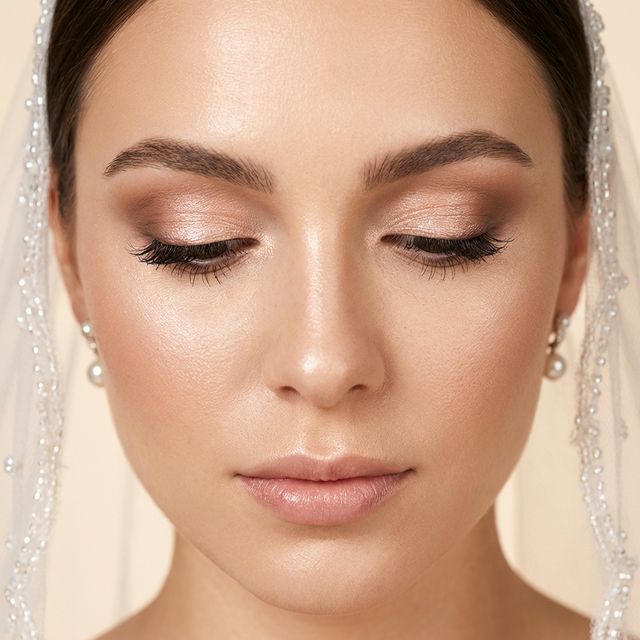
looks Wedding Eye Makeup: Elegant Bridal Looks That Last All Day
Read Guide arrow_right_alt looks
looks Prom Eye Makeup Looks: 8 Styles from Subtle to Statement
Read Guide arrow_right_alt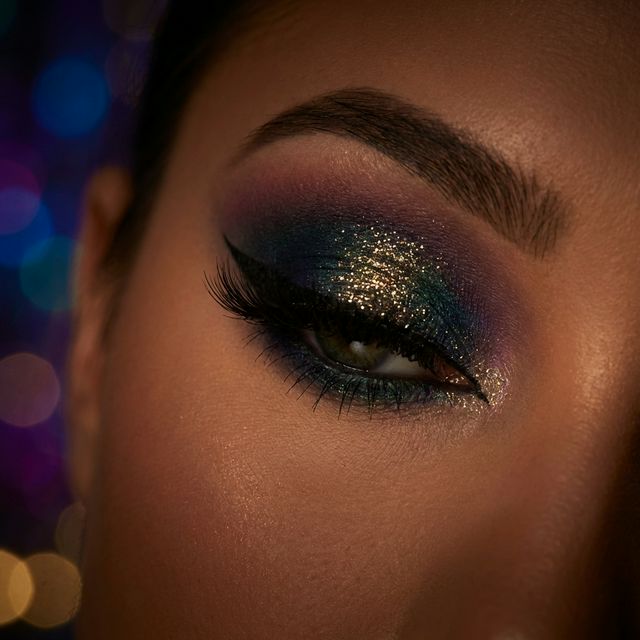 looks
looks Night Out Eye Makeup: Sparkle, Smoke, and Statement Looks
Read Guide arrow_right_alt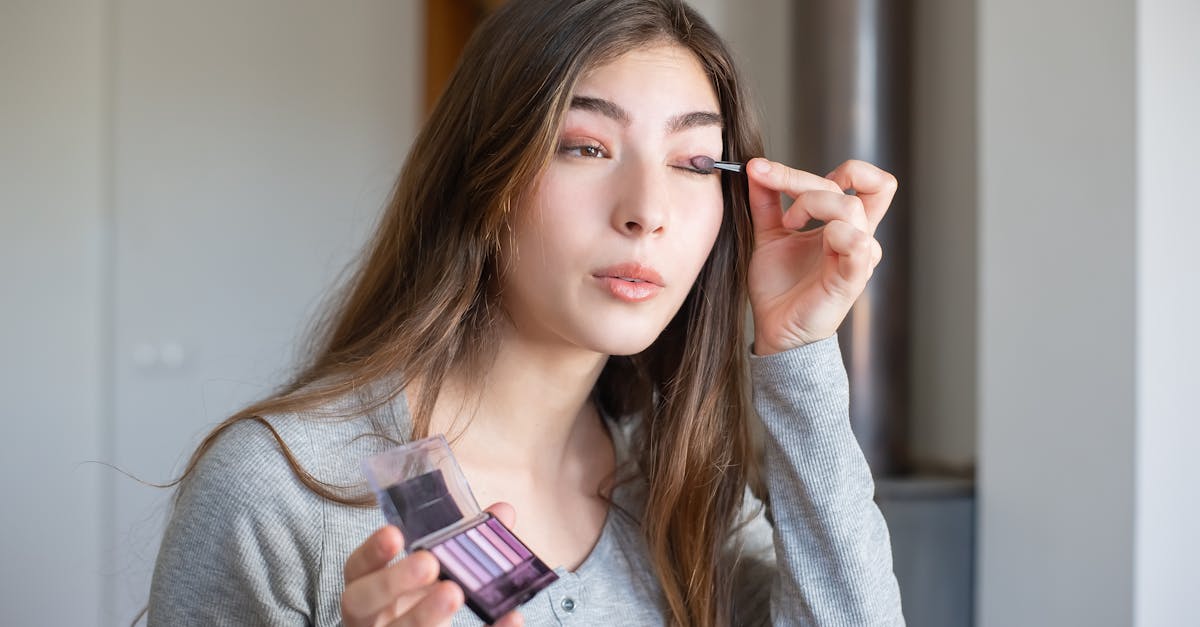 looks
looks Everyday Eye Shadow Looks You Can Do in 5 Minutes
Read Guide arrow_right_alt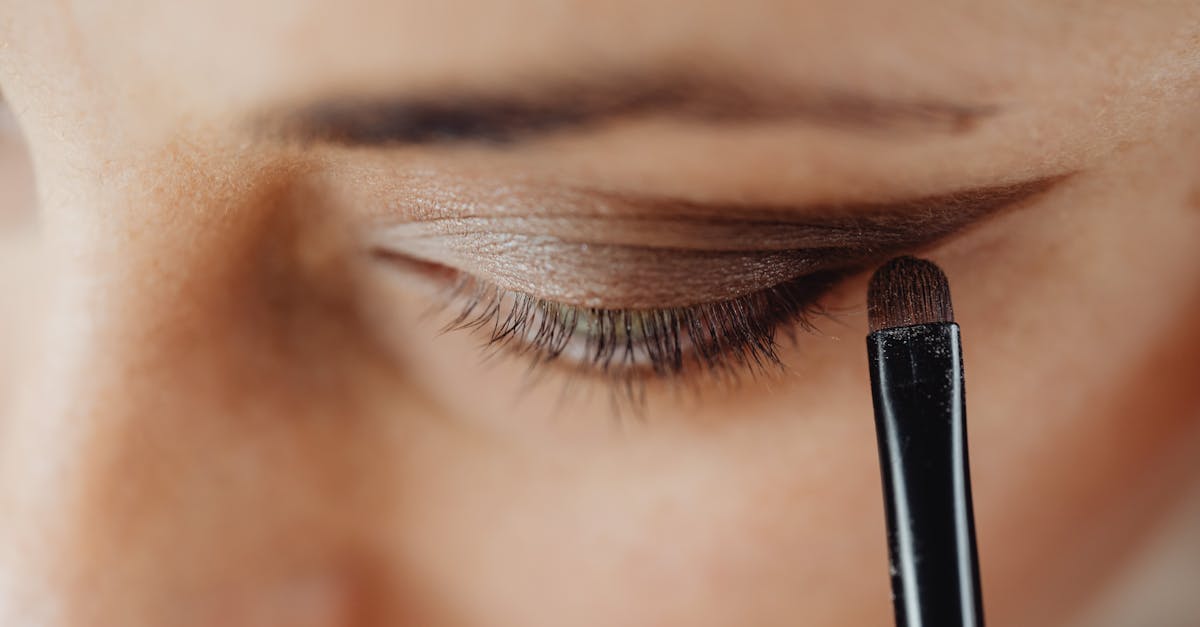 tutorials
 Smokey Eye Tutorial: Step by Step for Beginners
Read Guide arrow_right_alt tutorials