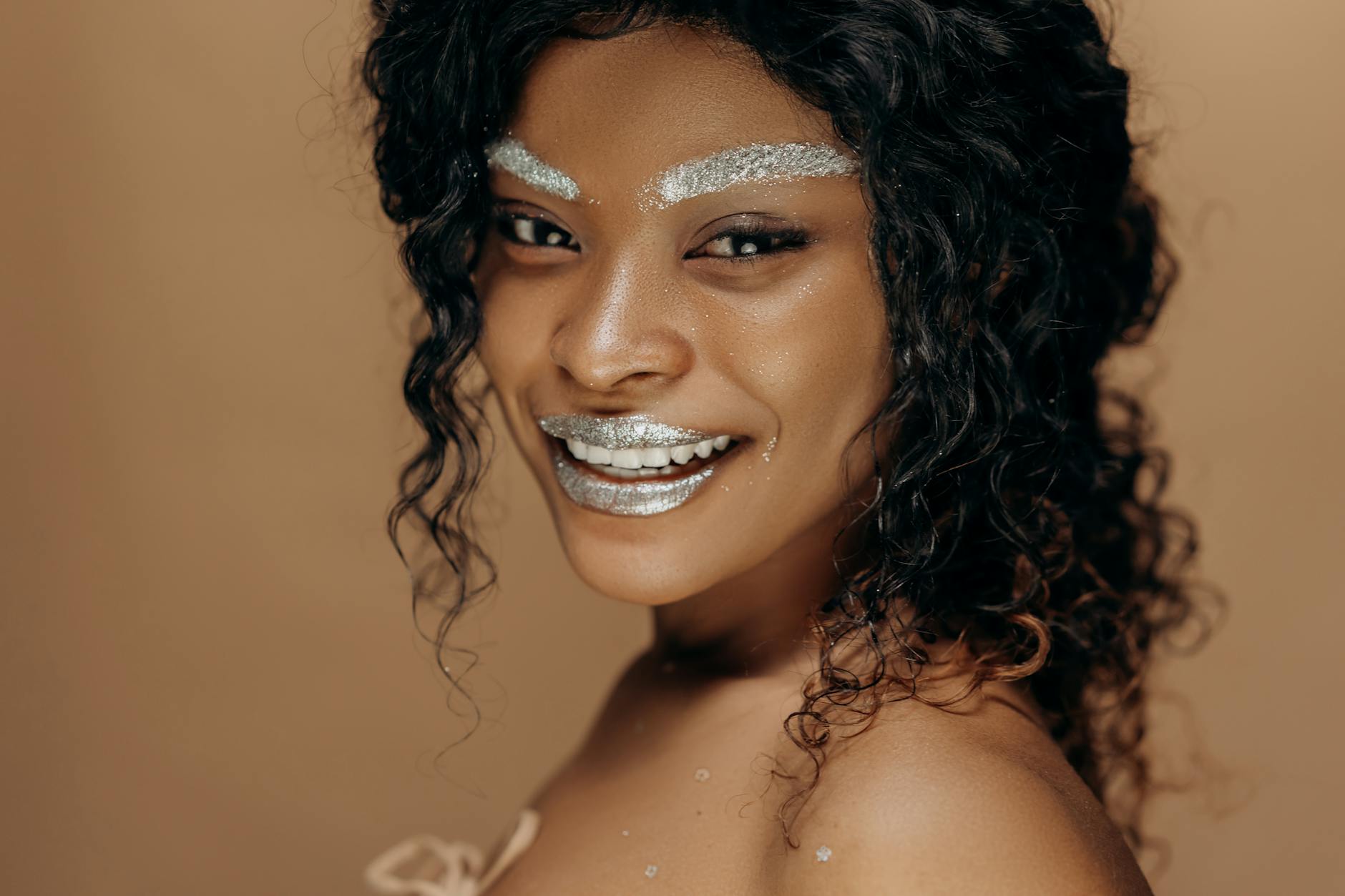
Dark and deep skin tones have genuine advantages in eye makeup that are underappreciated: high-pigmented metallics read as vivid rather than garish, bold jewel tones sit with richness rather than overwhelming, and the contrast between deep skin and a bright inner corner liner is uniquely striking. The challenges are specific and solvable, primarily around primer choice, highlight shade selection, and technique for lighter-toned shadows.
The Primer Rule for Dark Skin Tones
The single biggest technique difference for deeper skin tones is primer choice. For most purposes, a skin-tone-matched or transparent primer works well, but for deep skin, a white or nude-tinted primer creates maximum pigment payoff from shadows, especially for pastels, light metallics, and any shade lighter than the lid.
Why this matters: Eyeshadow pigment is semi-transparent. Applied directly to a naturally deep lid, lighter shades blend into the skin tone rather than reading as a separate color. A light primer base underneath changes the optical math entirely, the shadow color is what you see, not the shadow + skin tone.
Recommended primers:
- Urban Decay Eyeshadow Primer Potion “Eden” (~$28), light peachy neutral base
- NYX Professional Makeup HD Eye Shadow Base “White” (~$10), specifically designed to maximize pigment on deeper skin tones; highly pigmented application
For very deep metallics and dark shimmery shades that are already richly pigmented, a standard transparent primer is sufficient. The white base matters most for lighter or more subtle shades.
Colors That Hit Hardest on Deep Skin Tones
Warm Gold and Copper Metallics
Warm metallic shades are where dark skin tones have the most visible advantage. Gold, bronze, antique copper, and warm rose gold read with extraordinary richness on deep skin, a level of depth and warmth that simply isn’t possible on fair to medium complexions.
Standout shades:
- True warm gold (not pale champagne)
- Antique copper
- Deep bronze with a green shimmer base
- Rose gold with visible warmth (not white-based)
Look formula: Rich copper on the lid, matte burnt sienna in the crease, flick of black liner, volumizing mascara. One of the most universally flattering looks for deep skin tones.
Jewel Tones, Emerald, Cobalt, Deep Violet
Vivid jewel tones that look theatrical on fair skin read as refined and striking on deep complexions. The richness of deep skin provides a natural harmony rather than a clash. Cobalt blue, emerald green, deep violet, sapphire, all of these have specific impact at deeper skin tones that doesn’t translate to lighter complexions in the same way.
Application note: Apply with a flat shader brush to maximize color deposit. Layer a second coat before blending the edges, the goal is vivid color payoff first, blended edges second.
Warm Earthy Reds, Terracotta, Sienna, Rust
Rust, sienna, terracotta, and brick-red shades create a deep, warm look that is particularly striking with bronzed and melanin-rich skin. These shades hit in a way that resembles the glow of firelight.
Avoid: Any orange-based earth tone that leans too orange without warmth, this creates an artificial look. Stick to shades that lean red-brown or clay-red rather than true orange.
Deep Plum and Burgundy
Plum and wine shades on deep skin are where the “monochromatic deep glam” look lives. Layer a deep plum lid with a burgundy crease and black liner on the lash line for a maximally dramatic look that reads as deeply polished rather than overdone.
Colors That Require Extra Technique
Champagne and Pale Gold Highlights
Most champagne and pale gold shades have a white base that reads as chalky or ashy on deep skin. Look specifically for:
- Rose gold with no white in the undertone
- Deep champagne, warm, with visible gold rather than silver particles
- Bronze highlighter (not champagne or silver)
Brands that formulate well for dark skin:
- Juvia’s Place, entire range formulated with deeper complexions in mind
- Fenty Beauty, diverse shade development across the beauty range
- Pat McGrath Labs, extremely pigmented with sophisticated undertone work
Pastel Shades
Pastels (lavender, baby pink, mint) require a white or light-tinted primer base and heavy pigment concentration to show up on deep skin without appearing washed out or chalky. They work, it just requires more deliberate approach:
- Apply white or nude-tinted primer
- Use a flat brush and press (don’t blend) the pastel onto the lid to maximize deposit
- Add a small amount of white shadow mixed into the pastel to boost opacity if needed
Complete Looks by Occasion
Everyday (5 Minutes)
- Lid: warm copper or gold shimmer
- Crease: matte medium brown
- Liner: black pencil, smudged on upper lash line
- Mascara: volumizing
Office or Daytime
- Lid: matte terracotta or warm nude (taped to whatever skin tone)
- Crease: deep brown or sienna
- Inner corner: small copper or gold highlight
- Liner: brown pencil or gel
Evening / Bold
- Lid: cobalt blue or deep emerald (with white primer base)
- Crease: black or very deep navy
- Inner corner: warm gold highlight
- Liner: matte black liquid, extended wing
- Mascara: volumizing
Glam (Full Metallic)
- Lid: deep antique gold or burnished copper foil
- Crease: matte rust or sienna
- Lower lash line: small amount of matching gold
- Liner: black gel on waterline and upper lash line
- Mascara: volumizing
Liner Colors for Dark Skin
Black liner is the standard for a reason, it creates clean definition that works across every look. But deeper skin tones can also sustain bolder liner colors that look too heavy on fair complexions:
- Rich plum gel liner, great for a soft glam alternative to black
- Forest green, creates a striking contrast, particularly beautiful on deep warm skin
- Cobalt, pairs exceptionally with gold or bronze shadow on the lid
- Burnt orange or copper liner, pushes an earth-tone look into more maximalist territory
Sources
- Aucoin, Kevyn. Making Faces. Little, Brown, 1997, melanin-rich skin and color theory for deep complexions
- Fitzpatrick Skin Type classification, Standard dermatological color contrast reference for cosmetics
- Temptalia.com, Pigmentation testing on Fitzpatrick IV–VI skin tones, multi-shade reviews (2025–2026)
- Nordstrom Beauty. (2026). “Best Foundations and Eyeshadows for Deep Skin Tones.” nordstrom.com.
Related Guides
- Best Eyeshadow Palettes: Tested Across Every Price Tier
- Eyeshadow & Eyeliner Color Combinations That Work
- Best Eyeshadow Colors for Brown Eyes
- Eye Makeup Trends 2026
- Best Eyeliners of 2026
We evaluate beauty products and techniques independently. To learn more about our editorial standards, read our Editorial Policy.
Get weekly eye care & beauty tips
Guides from the Eyeshadow Looks Beauty Desk. No spam, ever.
Frequently Asked Questions
What eyeshadow colors pop best on dark skin tones?
Warm metallics (copper, gold, champagne), vivid jewel tones (emerald, cobalt, deep violet), and warm earthy shades (terracotta, sienna, rust) all have exceptional impact on deep skin tones. Pastels and very light shades often appear ashy or chalky without proper technique, they need heavy pigment concentration or a white primer base to show up.
Do I need a special primer for dark skin?
Yes, but not for the reason many people think. The goal isn't to lighten the lid, it's to create maximum pigment payoff. A white or light-tinted primer creates the highest contrast base, making even lightly pigmented shadows show up vividly. Without a primer, shadows blended onto a naturally darker eyelid surface can appear muted or ashy.
Why do highlighter shades look chalky on deeper skin tones?
Most mainstream highlighter shades (pale gold, champagne, ivory) are formulated with white as a base, which creates an ashy appearance on deeper skin tones. Look for highlighters with a rose gold, warm bronze, or deep gold base rather than a white base. Brands like Juvia's Place and Fenty Beauty are specifically formulated for this.