
Eyeshadow looks complicated in videos because tutorials often show professional artists working at speed, skipping over the “why” behind each step. Once you understand the basic structure, primer, transition, lid, definition, highlight, any look becomes repeatable.
Here’s the complete beginner method.
This page is the placement sibling: primer, transition, lid, definition, highlight — in that order. The complete starter kit covers the minimum tools. The step-by-step formula guide picks the first shadow type. All three URLs stay live.
What You Need to Start
The tools:
- Flat shader brush: Applies color to the lid
- Fluffy blending brush: Blends out edges in the crease (round tip, loose bristles)
- Small pencil brush or smudge brush: For lower lash line and precision work
- A clean brush for blending (can reuse the fluffy brush after cleaning it on a napkin)
The shadows:
- Light shade: Pale, close to your skin tone. Can be matte or shimmer. Used for highlight.
- Medium/transition shade: A matte mid-tone, taupe, dusty rose, soft brown. This goes in the crease.
- Deeper shade: Used for definition at the outer corner or lower lash line.
If you have one palette, look for a group of 3–4 pans that go from light to dark, most palettes are organized this way specifically for this reason.
Step-by-Step: Basic 3-Shade Eye Look
Step 1: Apply Eye Primer (or Concealer)
Eyeshadow primer is a thin layer of product applied over the lid before eyeshadow. It:
- Makes color appear more vibrant
- Prevents creasing throughout the day
- Helps powder shadow stick to the lid
Apply a small amount with your fingertip or a flat brush to the entire lid area from lash line to brow bone. Let it dry for about 30 seconds before applying shadow.
If you don’t have a dedicated eye primer, a small amount of concealer set with translucent powder works.
Step 2: Apply Your Transition Shade in the Crease
The crease is the fold of skin where your eyelid meets your brow bone when your eye is open. This is where your transition shade goes.
Use your fluffy blending brush, pick up a small amount of your medium/matte shade, tap off excess powder, and work it into the crease with back-and-forth windshield-wiper motions. Don’t press hard, just brush lightly back and forth in the socket line.
This creates a soft gradient base that everything else blends into. It looks subtle at this stage and that’s correct.
Step 3: Apply Your Lid Color
With your flat shader brush, press your lid color shade directly onto the mobile lid, the part of your eyelid that moves when you blink. The lid goes from the lash line up to just below where you applied the crease color.
Press the brush gently onto the lid (don’t stroke). Pressing gives better color payoff than swiping, which can drag the primer and pick up less pigment.
Apply in layers. One layer, check, add more if needed.
Step 4: Blend the Crease Transition
Take your clean fluffy brush (tap any product off it, or use a fresh one) and blend where the crease color and lid color meet. Work in small circular motions or short back-and-forth strokes right along the border between the two shades.
The goal: you shouldn’t see a sharp line where one shade ends and another begins. The colors should melt together.
Step 5: Deepen the Outer Corner
With your deeper shade on a small shader or pencil brush, apply to the outer third of the lid, the V-shaped outer corner. This creates depth and makes the eye look more defined.
Blend the inner edge of this shade with your fluffy brush so it transitions into the lid color, not sitting as a hard edge.
For more drama, you can also apply this deeper shade along the lower lash line with a small smudge brush.
Step 6: Highlight the Inner Corner and Brow Bone
With your lightest shade on a small brush or fingertip, dab a small amount:
- At the very inner corner of the eye (next to the tear duct)
- Underneath the arch of the brow (brow bone highlight)
These small placements catch light and open the eye. Even a tiny amount makes a visible difference.
Step 7: Apply Mascara
Curl your lashes, then apply mascara from roots to tips with a wiggling motion at the base. One to two coats on the upper lashes is standard.
Common Beginner Mistakes
Mistake: Using all shimmer, no matte Shimmer everywhere with no matte shades looks flat. The matte crease shade is what creates dimension, without it, the shimmer just sits on the lid with no depth behind it.
Mistake: Using the wrong size brush for each zone A large fluffy brush on the lid deposits color unevenly. A small shader brush in the crease can’t blend properly. Match brush size to the zone: large fluffy for crease, medium flat for lid, small brush for details.
Mistake: Applying too much product at once It’s easier to add more than to remove. Tap excess off your brush each time before applying. Layer gradually.
Mistake: Not blending after the lid color Apply lid color, then always blend the border with a clean brush before moving on. This takes 10 seconds and makes the biggest difference.
Quick Reference
| Step | Location | Shade | Brush |
|---|---|---|---|
| 1 | Entire lid to brow bone | Primer | Fingertip |
| 2 | Crease | Medium matte | Fluffy blending brush |
| 3 | Mobile lid | Lid color (light/shimmer) | Flat shader |
| 4 | Crease border | , | Clean fluffy brush |
| 5 | Outer corner | Deeper shade | Small shader |
| 6 | Inner corner + brow bone | Highlight | Small brush or fingertip |
| 7 | Lashes | Mascara | Wand |
What to Try Next
Once you’re comfortable with the 3-shade basic, these are the natural progressions:
- Adding a thin liner along the upper lash line for more definition
- Trying a cut crease (a more defined crease line)
- Experimenting with color on the lid while keeping transition and definition neutral
Related Guides
- Eyeshadow Brush Guide: Which Brush Does What
- How to Stop Eyeshadow from Creasing
- How to Fix Eyeshadow Mistakes Mid-Look
- Best Drugstore Eyeshadow Palettes
- Eyebrow Pencil Guide: Every Product Type Explained
- Best Eyeshadow Colors for Blue & Green Eyes
- Eyeshadow for Glasses Wearers
- Best Eye Makeup Brushes for Beginners
Sources
- The Pocket Makeup Artist, Lisa Eldridge (2020)
- Bobbi Brown Makeup Manual, Chapter 3: Eye Makeup Fundamentals
- Wayne Goss, “Eyeshadow for Beginners: A Complete Guide” (YouTube, 2022)
We evaluate beauty products and techniques independently. To learn more about our editorial standards, read our Editorial Policy.
Get weekly eye care & beauty tips
Guides from the Eyeshadow Looks Beauty Desk. No spam, ever.
Frequently Asked Questions
What order do you apply eyeshadow in?
Apply in this order: primer first, then your transition shade in the crease (the lightest/most diffused color), then your lid color on the mobile lid, then your deepest shade at the outer corner and lower lash line, and finish with a highlight at the inner corner and brow bone. Working lightest to darkest in sequence gives you the most control.
How do you blend eyeshadow for beginners?
Use a clean, fluffy blending brush in windshield-wiper motions back and forth along the crease line. The key is a clean brush (no product), use it after placing each color to diffuse the edges. Don't press hard; let the brush do the work. Most beginner blending problems come from using too little product on the lid and then trying to blend too hard.
How many eyeshadow shades do beginners need?
Three shades cover 90% of beginner looks: a light highlight shade, a medium transition shade (matte), and a deeper shade for definition. Most quality palette brands design their pan groups around this exact system. You don't need more than three to create a complete eye look.
Related Articles
 tutorials
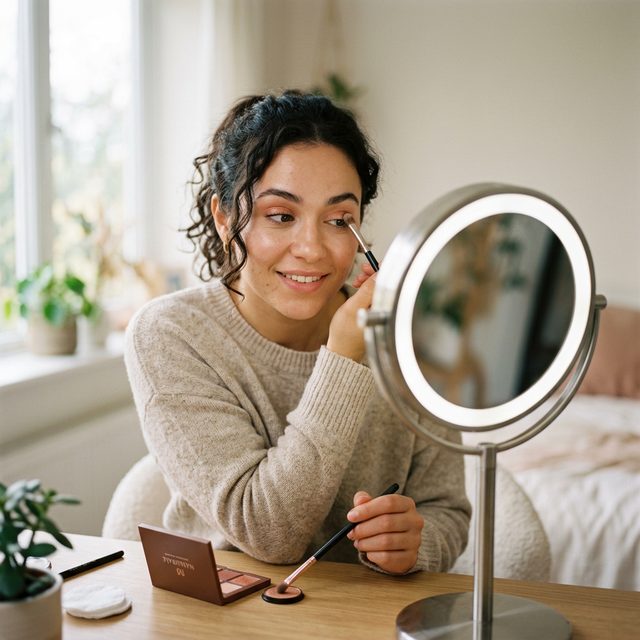
 Eyeshadow for Beginners: The Complete Starter Guide
Read Guide arrow_right_alt tutorials
 Best Eyeshadow for Beginners: Step by Step Guide
Read Guide arrow_right_alt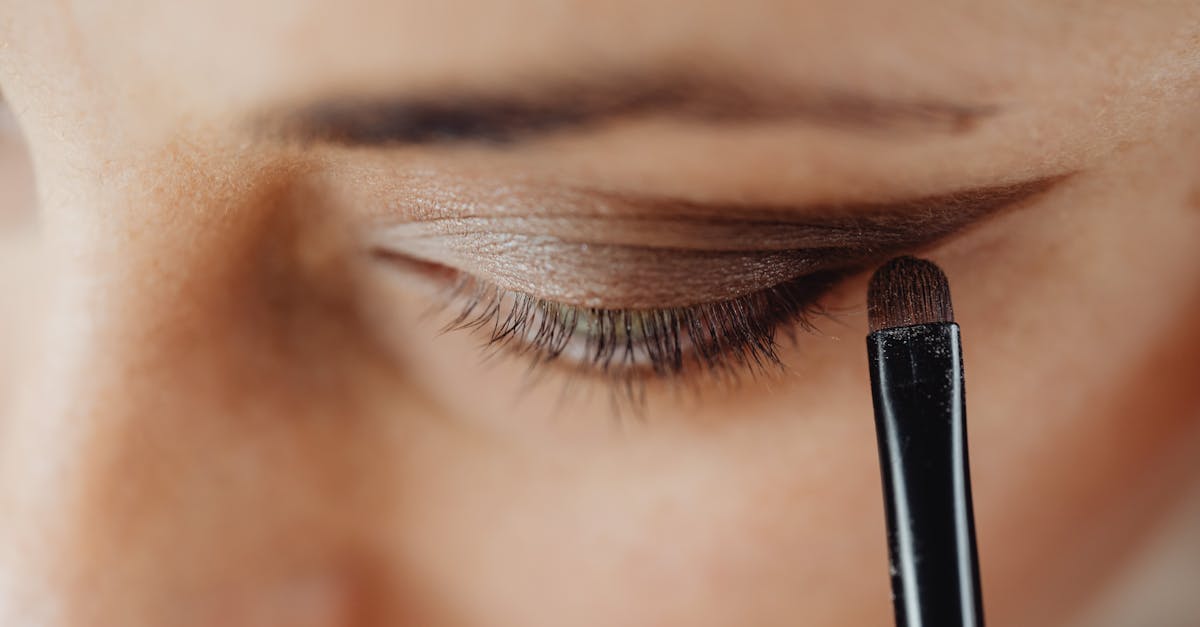 tutorials
 Smokey Eye Tutorial: Step by Step for Beginners
Read Guide arrow_right_alt tutorials
 Smokey Eye Tutorial for Beginners: A Foolproof Method
Read Guide arrow_right_alt tutorials
 Smokey Eye Tutorial for Brown Eyes: Colors and Steps That Actually Flatter
Read Guide arrow_right_alt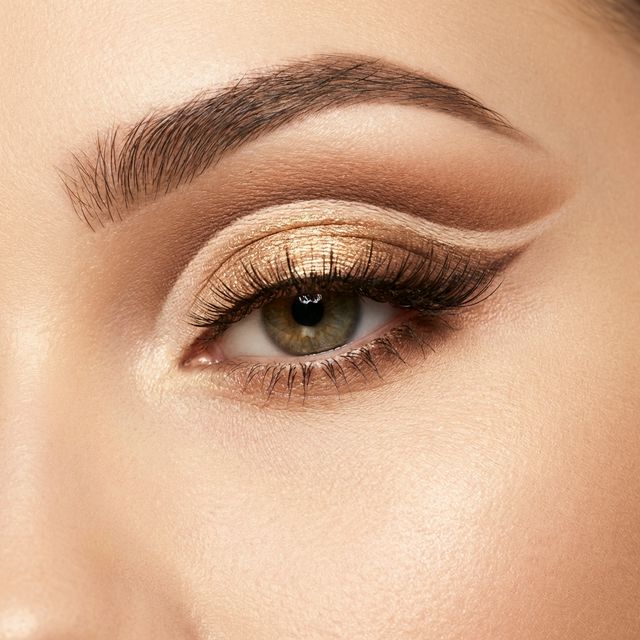 tutorials