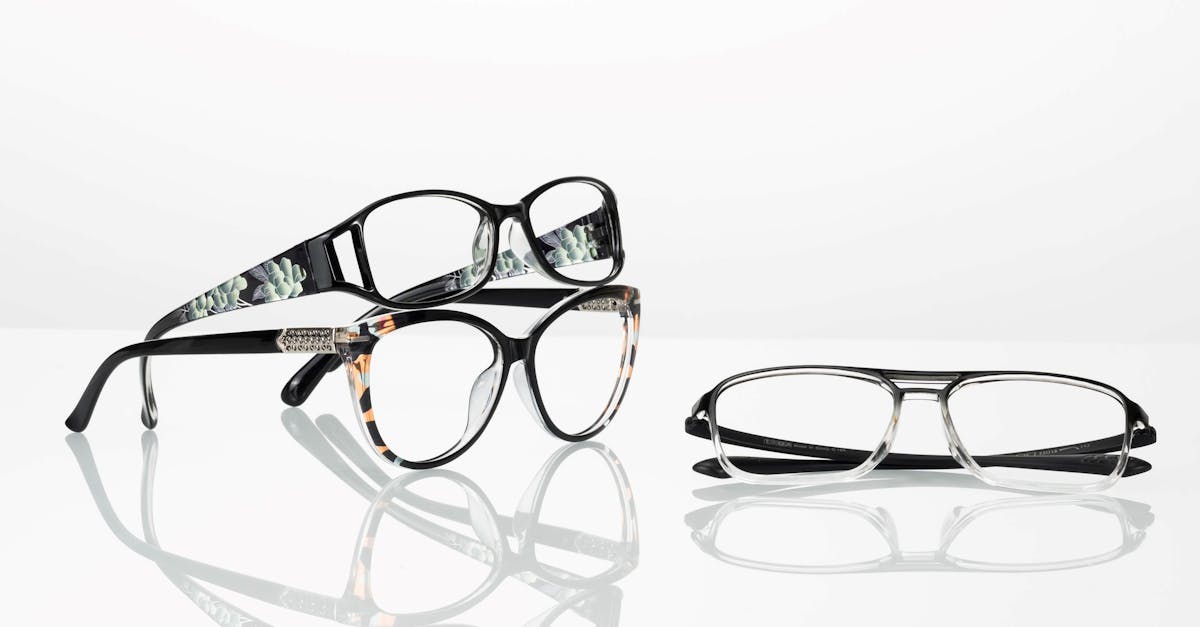
Glasses are part of your face, and they interact with eye makeup in ways worth understanding. The glass creates mild physical distance between observer and eye, which reduces contrast and fine detail. The lens type (minus vs. plus prescription) either shrinks or enlarges the apparent eye. The frame shape directs attention in specific ways. Here’s how to work with all of that.
How Lenses Change Makeup Visibility
All lenses: Create a slight physical barrier that reduces the apparent sharpness of any makeup behind them. This is why eye makeup that looks perfect in your bathroom mirror can seem washed out when you put on your glasses. The solution is increasing contrast slightly, more pigment, more defined placement, to compensate.
Minus lenses (nearsighted, concave): Minify the eye, making it appear smaller than it is. These benefit most from eye-opening techniques: lighter inner corner, defined upper lash line, brightened waterline, lengthening mascara.
Plus lenses (farsighted, convex): Magnify the eye, making it appear larger. The upside: makeup has more impact behind these lenses. The challenge: any imprecision (uneven liner, patchy blend) is also magnified. Focus on clean technique.
Frame Shape and Your Eye Makeup
The shape of your frame creates its own visual context:
Cat-eye frames: Already elongate and lift the outer corner visually. Soft-liner or smoky looks balance these frames well. Avoid heavy outer-wing liner that competes with the frame shape.
Round frames: Round frames can emphasize roundness in the eye shape. Counter with techniques that elongate the eye: horizontal liner, shadow placed at outer corner, avoiding heavy lower liner that adds height.
Bold/oversized frames: The frame is the statement, keep eye makeup clean and neutral so the two don’t compete. A soft, polished neutral look inside dramatic frames is more elegant than layered drama inside drama.
Thin/minimal frames: More margin for creative looks. The frame won’t dominate, so colorful, graphic, or dramatic eye looks come through clearly.
No-frame/clear frames: Treat these like no glasses, your makeup reads almost as if unobstructed.
Techniques to Emphasize Behind Lenses
Defined Upper Lash Line
The most consistently effective technique for glasses wearers is a well-defined upper lash line. Tightlining (liner applied between the lashes to the waterline) and a thin pencil or gel liner along the upper lash define the lash line without adding a visible mark that could look heavy when framed.
Brightened Inner Corner and Lower Waterline
Minus-lens wearers especially benefit from a flesh-toned or white pencil on the lower waterline: it counteracts the eye-shrinking effect of minifying lenses and creates a perception of larger, more open eyes.
More Pigment on the Lid
Increase shadow pigmentation slightly compared to what you’d apply without glasses. Either use a slightly dampened brush for better payoff, or layer one additional pass of your lid color. This compensates for the visual softening effect of the lens.
Defined, Volumizing Mascara
Behind glasses, mascara impact comes primarily from the upper lashes. Use volumizing mascara on upper lashes, applied with emphasis at the roots for fullness. Curl lashes adequately, the frame bridge can flatten lashes against the lens if they’re not curled enough.
What to Adjust from Standard Techniques
| Standard Technique | Adjustment for Glasses |
|---|---|
| Soft neutral lid | Slightly increase pigment |
| Bold lower liner | Lighten or remove |
| Dramatic outer wing | Match tone to frame angle |
| White inner corner | Essential, not optional |
| Cat-eye liner | Complement, don’t duplicate, frame shape |
| Heavy glitter | Use fine shimmer instead, easier to see through lenses |
Looks That Work Especially Well
Defined neutral: Soft shadow in the crease, defined upper lash line, white or nude waterline, volumizing mascara. Works with almost any frame shape.
Subtle smoky: A softly smoked shadow around the eye with a lighter lid and defined lash line reads well through most frames without looking heavy.
Pop of color on the lid: A single statement color on the lid with minimal liner or mascara lets the eye color show through clearly while keeping the look simple enough that it doesn’t compete with the frame.
Looks That Need Care
Heavy lower liner: On the inner waterline with dark liner, this combination can look oppressively dark when framed and shrinks the visible eye area significantly.
Very pale, low-contrast looks: If everything is very light or nude, the lens reduces contrast further and the makeup effectively disappears. Ensure at least one defined element (liner, mascara, or a defined crease).
Heavy outer corner work on all frames: Angular shadow/liner at the extreme outer corner can be cut off by the frame itself, making the work invisible. Check in the mirror with glasses on to see what’s actually visible.
Sources
- American Academy of Ophthalmology, Lens types, prescriptions, and magnification/minification visual effects
- Vogue. (2025). “How to Perfect Your Eye Makeup When You Wear Glasses.” vogue.com.
- American Optometric Association. (2024). “Contact Lens vs. Glasses: Practical Considerations.” aoa.org.
Related Guides
- Eyeshadow Placement Guide: Where to Apply Every Shade
- Hooded Eyes Eyeshadow: Techniques That Actually Show Up
- Everyday Eye Looks: 5 Simple Looks for Any Skill Level
Frame Style and Eyeshadow Pairing
Thick Dark Frames (Horn-Rimmed, Classic)
These frames already create strong definition around the eye. They pair best with:
- Eyeshadow that contrasts with the frame color, warm brown tones against black frames, or colorful shadows against tortoiseshell
- Stronger liner intensity, thick frames compete with moderate liner; go bold or skip liner for a cleaner contrast
- Lower emphasis on the lower lash line, already well-defined by a thick lower frame edge
Rimless or Thin Metal Frames
Minimal frames are less visually competitive, so eyeshadow takes a more starring role:
- Any style of eyeshadow works, there’s no structural interference
- Liner becomes more important as the only definition around the eye
- This frame style works especially well with graphic or colored liner since there’s no bold frame to compete with it
Colorful Frames
Bright frames create a coordination challenge:
- Complementary colors in shadow can create a cohesive, intentional look
- Neutral shadow lets the frames read as the statement piece
- Avoid color-matching frame color exactly in eyeshadow, this reads as too matchy-matchy rather than intentionally coordinated
Lens Correction Effects on Eye Appearance
Nearsighted (minus) lenses: Minify (shrink) the appearance of the eye as seen by others. Eyeshadow techniques for close-set eyes, focusing depth at the outer corner, avoiding heavy liner at the inner corner, using more shimmer/highlight at the inner third, can counteract this effect.
Farsighted (plus) lenses: Magnify the eye, which intensifies any eyeshadow you apply. Use lighter hands with eyeshadow application; even a moderate amount of shadow will appear more saturated and defined through plus lenses.
Strong prescriptions: In both cases, strong prescriptions amplify the effect. Build shadow intensity gradually and check frequently in the mirror at normal viewing distance (not close-up).
Going Out Tips
Test with frames on: Apply your complete look, then put your glasses on and evaluate in natural light if possible. What looks right without glasses can appear quite different once the frames are in place, especially around the brow bone and lower lash line.
Set your eye makeup: Glasses frequently smudge makeup if the nose pads sit anywhere near the undereye area, or if there’s any contact with the brow area. Setting powder (or a waterproof formula for eye shadow primer and liner) helps maintain the look throughout the day.
Consider the nose pad factor: If makeup consistently transfers to lens nose pads, the fix is usually setting powder on the areas that contact the pads, typically the sides of the nose bridge, rather than adjusting your eye look.
Product Recommendations for Glasses Wearers
Primers: Always use an eyeshadow primer. Without it, the small amount of added warmth and humidity near the face (from glasses frames) will accelerate creasing and fading.
Waterproof formulas: For liner, waterproof pencil or liquid liner stays in place even with glasses contact. Smudge-proof mascara avoids transfers to lenses.
Setting spray: A light setting spray after your full look helps everything (including eyeshadow near the brow bone) resist contact with frames.
Sources
- American Academy of Ophthalmology, Lens correction types and visual effects
- “Makeup for Glasses Wearers”, Vogue Beauty, 2023
- Optical lens optics and magnification factors: standard ophthalmology reference data
Get weekly eye care & beauty tips
Guides from the Eyeshadow Looks Beauty Desk. No spam, ever.
Frequently Asked Questions
Should you wear more or less eye makeup with glasses?
More, but strategically placed. Lenses create visual distance between the viewer and your eye, reducing perceived contrast and detail. You often need slightly more pigment and more defined placement to achieve the same visible impact. However, very thick or heavy liner on the lower lid can look overdone when magnified by lenses.
Does prescription strength matter for eye makeup?
Yes. Minus (nearsighted) lenses make eyes appear smaller, reducing the visual impact of makeup. Compensate by emphasizing the lash line and brightening the inner corner. Plus (farsighted) lenses magnify the eye, making makeup more visible but also making mistakes more apparent, precision matters more.
Should you avoid liner with glasses?
Not at all, liner just needs to be adapted. Upper liner along the lash line read beautifully through frames. Lower liner on the waterline needs care: thick dark lower liner can make the whole eye look heavy when framed. Nude or white pencil on the lower waterline typically works better.