
Finding eyeshadow that does not make your eyes water, swell, or itch should not require a chemistry degree. But “hypoallergenic” is an unregulated marketing term, and plenty of products carrying that label still contain common irritants. The trick is knowing which ingredients actually cause problems and which brands consistently formulate around them.
This page is the ingredient-list ranking: specific products whose published INCI lists and brand safety labels are the reason they are here. The science of triggers lives on eyeshadow ingredients for sensitive eyes. Full-face routine notes live on the sensitive-eyes makeup guide. Those URLs stay live.
Amazon will sell “hypoallergenic eyeshadow” as a badge. It will not tell you the FDA does not define that word, that a fragrance-free quad can still use a preservative you react to, or that a placeholder “shop now” link may not be a real ASIN. The Eyeshadow Looks Beauty Desk compared published ingredient lists and current listings. The desk does not run an in-house lab, a wear trial, or an irritation study. Nothing here is a diagnosis or a substitute for an allergist or ophthalmologist.
Who this ranking is for. People who already know fragrance and certain preservatives bother them, and who will read an INCI list before they click. Contact-lens wearers and anyone rebuilding a kit after a reaction.
When to skip this ranking. If you wanted the best compact in a price tier, use the 2026 palette stack. If you wanted a nude that matches skin, use the nude ranking and then check that compact’s ingredient list. If glitter is the goal, use the no-fallout ranking and skip loose glitter. If lids are inflamed from blepharitis or ocular rosacea, pause new shadow until a clinician says makeup can go back on.
Lid-type notes. Oily lids: a “clean” cream can still crease — that is a primer job, not a reason to add fragrance. Dry or mature lids: short-list creams can feel kinder than a dusty drugstore matte, but they expire faster. Deep skin: a pale “sensitive nude” quad can still chalk; undertone is a nude problem even when the INCI is short.
What “Hypoallergenic” Actually Means (and Does Not Mean)
In the United States, the word hypoallergenic has no legal definition. The FDA attempted to regulate the term in the 1970s, but the regulation was overturned in court. Any brand can use it on any product without demonstrating that the product causes fewer allergic reactions.
This means you cannot trust the front of the package. You need to read the ingredient list.
Brand phrases such as “ophthalmologist-tested,” “allergy-tested,” or “fragrance-free since 1968” are labels the brand prints. They are not Beauty Desk clinical results, and they are not a guarantee you will not react. If a card below repeats a brand’s test language, it is repeating the label, not inventing a trial.
For a complete breakdown of which ingredients cause the most problems, our eyeshadow ingredients for sensitive eyes guide covers the science in depth. This article focuses on specific products that pass a published-ingredient screen.
What to Look For
Often better-tolerated building blocks (still patch-test):
- Iron oxides (CI 77491, CI 77492, CI 77499) for color
- Mica as a base and shimmer agent
- Titanium dioxide (CI 77891) for coverage and whitening
- Dimethicone as a binding agent (well-tolerated by most, not all)
- Phenoxyethanol as a preservative (lower published irritation rate than several older preservatives)
Ingredients to treat as skip-buy flags unless you already tolerate them:
- Fragrance/parfum (a leading cause of cosmetic contact dermatitis in published series)
- Methylisothiazolinone or methylchloroisothiazolinone
- Formaldehyde-releasing preservatives (DMDM hydantoin, quaternium-15)
- Carmine (CI 75470) if you react to it specifically
- Loose or chunky glitter (physical corneal scratch risk — see the glitter ranking for locked-in liquids instead)
Best Hypoallergenic Eyeshadow Picks
Best Overall: Clinique All About Shadow Quad
Clinique All About Shadow Quad — about $30–$34. Pressed powder. The line is sold as fragrance-free.
Clinique has marketed its line as fragrance-free since the brand’s founding in 1968. The All About Shadow quads use a short published list built around talc, mica, and iron oxides. No fragrance. Most shade cards also avoid formaldehyde-releasing preservatives; carmine still appears in some color stories, so read the INCI for the named quad.
Why it is on this list: Fragrance-free pressed powder plus a short, familiar INCI is the lowest-drama starting point for most reactive lids. Clinique labels the shadows as ophthalmologist-tested and allergy-tested. That is the brand’s claim, not a desk trial.
Who it is for / skip. For a coordinated four-pan weekday nude that you can patch-test. Skip shade stories with bold red or pink if you already know carmine bothers you. Skip lookalike “all about” kits that are not this quad.
Where to buy: Amazon (existing Clinique All About Shadow Quad ASIN) | Clinique | department stores
Beauty Desk listing check: Confirm All About Shadow Quad (or the named quad, such as Morning Java), not a single pot, a cheek product, or a different Clinique eye cream. The Amazon link on this page is the same Clinique quad ASIN already used on the sensitive-eyes makeup guide. Prefer new, brand-sold stock. Shade editions differ — match the name on the lid.
Published formula notes (not a wear score): Pigmentation is described as moderate and buildable rather than punchy. That is useful on sensitive lids because you apply less product per pass.
Best Mineral Option: bareMinerals Eyecolor
bareMinerals Eyecolor — about $16–$18 per single. Loose mineral powder. Sold as fragrance-free.
Published lists for these singles are short: mica, iron oxides, titanium dioxide, and sometimes tin oxide for shimmer. No talc, no synthetic fragrance, no parabens in the usual marketing set. Fewer ingredients means fewer potential triggers — and loose powder means more airborne dust.
Why it is on this list: Minimal INCI. Why you might skip it: Loose mineral powder is the medium-risk format in the table below because particles can drift into the eye while you load a brush.
Who it is for / skip. For people who already tolerate loose minerals and will tap the brush. Skip it if airborne powder is your trigger — use a pressed quad instead. Skip the Mineralist palette if you wanted these singles; that is a different product (and a different ASIN on the sensitive-eyes guide). No Amazon ASIN is attached on this card; retailer-match Eyecolor plus the shade name.
Beauty Desk listing check: Confirm bareMinerals Eyecolor (loose single) vs Mineralist palettes vs face minerals. Match the shade name. Prefer new, sealed stock.
Application note: Tap excess off the brush. Press, do not sweep, near the lash line.
Best Drugstore: Almay Shadow Squad
Almay Shadow Squad — about $8–$10. Pressed powder. Sold as fragrance-free.
Almay markets to sensitive skin and sells these as coordinated four-shade quads. That marketing is not a clinical result. The honest drugstore trade-off in published reviews is pigmentation and wear: these will not match a $50 Urban Decay story. For reactive lids, a weaker punch can still be the right buy.
Who it is for / skip. For a cheap patch-test quad you can find at a drugstore. Skip it if you wanted Almay Intense i-Color — that is a different coordinated line and a different listing (the Intense i-Color ASIN lives on the sensitive-eyes guide, not here). Skip it as your only “best palette” if you needed a 16-pan wardrobe; that job is on the price-tier ranking.
Where to buy: CVS, Walgreens, Target, Walmart, brand site. No Amazon ASIN is attached on this card — do not follow a placeholder link.
Beauty Desk listing check: Confirm Shadow Squad plus the colorway on the lid. Do not buy Intense i-Color, an Almay mascara, or a lookalike “hypoallergenic” kit from another brand under a similar name. Prefer new, sealed stock.
Longevity note: A thin, fragrance-free primer can help wear; see primers for oily lids. Primer is still a separate INCI list — patch-test it too.
Best Cream Formula: RMS Beauty Eye Polish
RMS Beauty Eye Polish — about $28. Cream. Sold without synthetic fragrance.
Published INCI for Eye Polish is short and food-oil-leaning: coconut oil, beeswax, cocoa seed butter, jojoba, plus mineral pigments. Creams skip the airborne-powder problem and introduce a shorter shelf life and more crease risk on oily lids.
Who it is for / skip. For dry or mature lids that want a fingertip cream. Skip it if you are oily and unwilling to set a thin layer. Skip RMS living lip or highlighter products sold under similar clean-beauty names. No Amazon ASIN is attached here; retailer-match Eye Polish plus the shade name.
Beauty Desk listing check: Confirm Eye Polish (eye cream-shadow), not a lip polish or a face oil. Prefer new, brand-sold stock. Creams expire faster — check the period-after-opening mark.
Best Luxury: Chantecaille Mermaid Eye Color
Chantecaille Mermaid Eye Color — about $36. Cream-to-powder. Sold without synthetic fragrance.
Chantecaille markets without parabens, phthalates, sulfates, or synthetic fragrance. Mermaid Eye Color is a cream that sets toward powder. The brand also prints ophthalmologist-tested language on some eye products. That remains a label, not a desk study.
Who it is for / skip. For a luxury cream-to-powder once a drugstore quad has already passed your patch test. Skip it as a first experiment — $36 is a lot to discover a botanical extract bothers you. No Amazon ASIN is attached here; retailer-match Mermaid Eye Color plus the shade (Olivia and Grace are the usual neutral test shades in published shade lists).
Beauty Desk listing check: Confirm Mermaid Eye Color, not a Chantecaille foundation or lip. Match the shade name. Prefer brand-sold or department-store stock.
How to Test New Eyeshadow for Sensitive Eyes
Even products with clean ingredient lists can trigger reactions in specific individuals. Follow this testing protocol before committing a new product to your full routine:
- Forearm test: Apply the eyeshadow to the inside of your forearm. Wait 24 hours. If no redness, itching, or bumps appear, proceed.
- Single-lid test: Apply to one eyelid only. Wait 24 hours. Compare the treated eye to the untreated eye for any sign of reaction.
- Full application: If both tests pass, apply normally to both eyes. Continue monitoring for the first week.
If you experience a reaction, remove the product immediately with a gentle, oil-based remover. Our guide on how to remove eye makeup without irritation covers safe removal techniques.
Hygiene Practices for Sensitive Eyes
Clean formulas help, but poor hygiene can introduce bacteria that irritate even the most resilient eyes.
- Replace powder eyeshadow every 12-24 months. Cream formulas should be replaced every 6-12 months.
- Clean brushes weekly. A drop of gentle dish soap and warm water is sufficient. Rinse thoroughly and let brushes dry completely before using.
- Never share eye makeup. Bacterial transfer between eyes is a direct path to infection.
- Do not apply eyeshadow over irritated or broken skin. Wait for the skin to heal fully before reapplying.
- Wash your hands before touching your eyes or eye products. This prevents transferring oils, bacteria, and other irritants to the delicate eye area.
For more on when to replace products, see our eyeshadow shelf life and expiration guide.
Eyeshadow Types Ranked by Sensitivity Risk
| Type | Risk Level | Why |
|---|---|---|
| Pressed matte powder | Lowest | Minimal airborne particles, simple formulas |
| Pressed shimmer powder | Low | Mica-based shimmer is well-tolerated |
| Cream/stick shadow | Low-Medium | Shorter shelf life but hydrating formulas |
| Loose mineral powder | Medium | Airborne particles can enter the eye |
| Liquid shimmer shadow | Medium | More preservatives needed for liquid stability |
| Loose glitter | High | Physical scratch risk, avoid entirely |
When to See a Doctor
If you have tried multiple fragrance-free products and still experience consistent irritation, the problem may not be the eyeshadow. Conditions like blepharitis or ocular rosacea cause chronic eyelid inflammation that makes any eye makeup irritating. An ophthalmologist can diagnose these conditions and recommend a treatment plan that may allow you to wear eyeshadow again comfortably.
Sources
- American Academy of Dermatology. (2025). “Contact Dermatitis and Cosmetics.” aad.org.
- FDA. (2025). “Hypoallergenic Cosmetics.” fda.gov.
- de Groot, A.C. (2024). “Patch Testing in Allergic Contact Dermatitis.” Springer.
Sourcing and affiliate disclosure live on the editorial policy and how we make money. The Beauty Desk does not run an in-house lab or a test fleet.
Related Articles
Get weekly eye care & beauty tips
Guides from the Eyeshadow Looks Beauty Desk. No spam, ever.
Frequently Asked Questions
What makes an eyeshadow hypoallergenic?
There is no regulated definition for hypoallergenic in the US. The FDA does not require proof of reduced allergenicity. In practice, the best options for sensitive eyes are fragrance-free, formaldehyde-free, and use mineral pigments (iron oxides, mica, titanium dioxide) rather than synthetic dyes. Reading the ingredient list is more reliable than trusting the label.
Can I wear eyeshadow if I have eye allergies?
Yes, most people with eye allergies can wear eyeshadow safely if they choose products with clean ingredient lists, patch test before full application, and follow basic hygiene like replacing products on schedule and cleaning brushes weekly. Avoid loose glitter, fragranced formulas, and products with known irritants like methylisothiazolinone.
Is mineral eyeshadow better for sensitive eyes?
Generally, yes. Mineral eyeshadows use iron oxides, mica, and titanium dioxide as their primary ingredients, which are among the least reactive pigments available. They typically contain fewer total ingredients, which means fewer potential triggers. However, loose mineral powder can create airborne particles that irritate eyes during application, so press the powder into a pan or tap excess off your brush.
How do I know which eyeshadow ingredient I am reacting to?
The most reliable method is an elimination process: use one product at a time for a week and note any reactions. If multiple products cause problems and you cannot identify the common ingredient, an allergist can perform patch testing with a standardized cosmetic allergen series to pinpoint your specific triggers.
Related Articles
 lifestyle
 Safe Eyeshadow Ingredients for Sensitive Eyes: What to Use and What to Avoid
Read Guide arrow_right_alt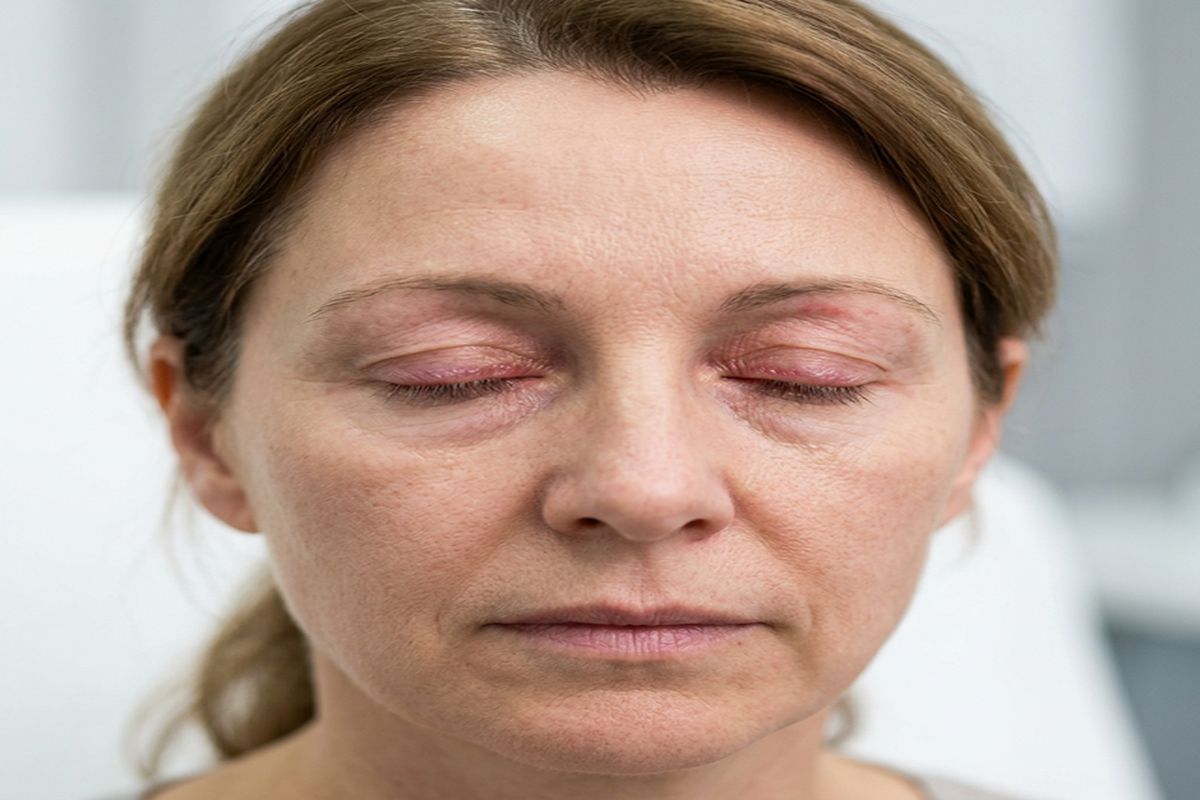 treatments
 Eye Makeup with Blepharitis: What to Wear, What to Avoid, and How to Stay Safe
Read Guide arrow_right_alt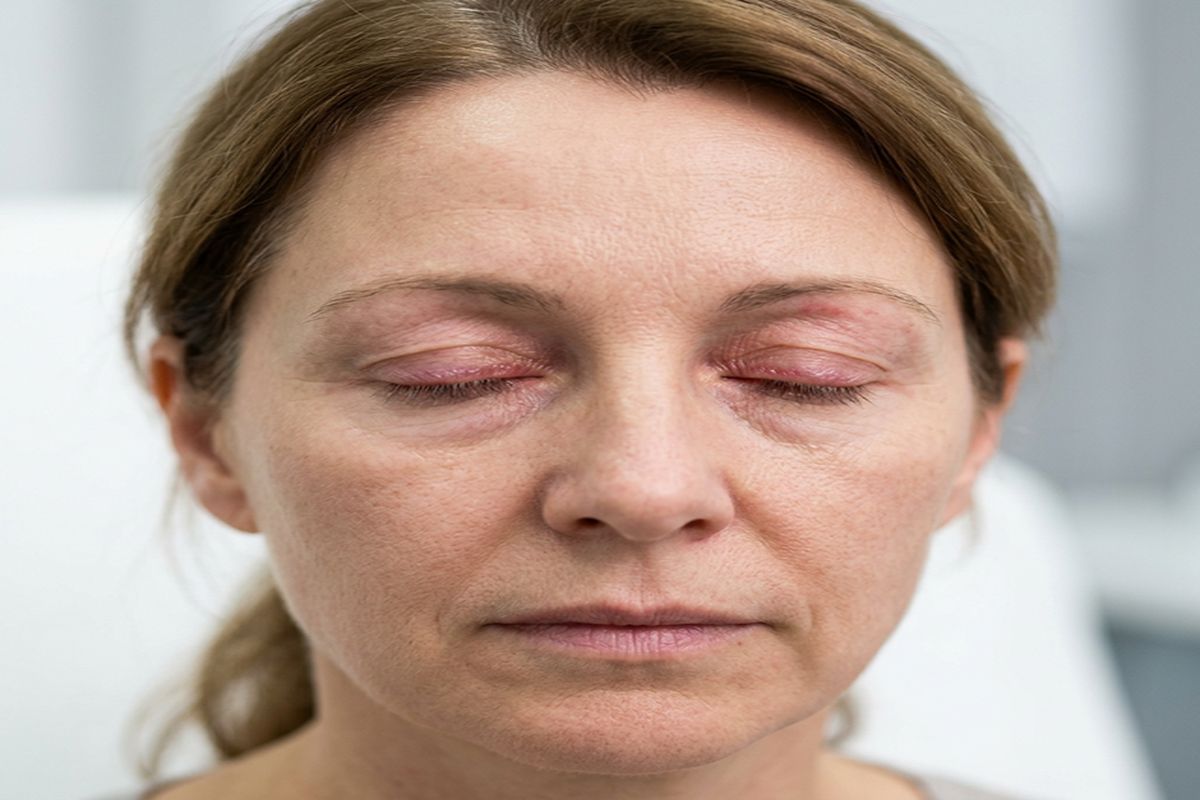 tutorials
 Sensitive Eyes Makeup: The Complete Guide to Irritation-Free Looks
Read Guide arrow_right_alt products
 Best Eyeshadow Primers for Oily Lids: Tested Rankings for All-Day Wear
Read Guide arrow_right_alt products
 Best Glitter Eyeshadow That Won't Fall Out
Read Guide arrow_right_alt products