Sensitive Eyes Makeup: The Complete Guide to Irritation-Free Looks (2026)
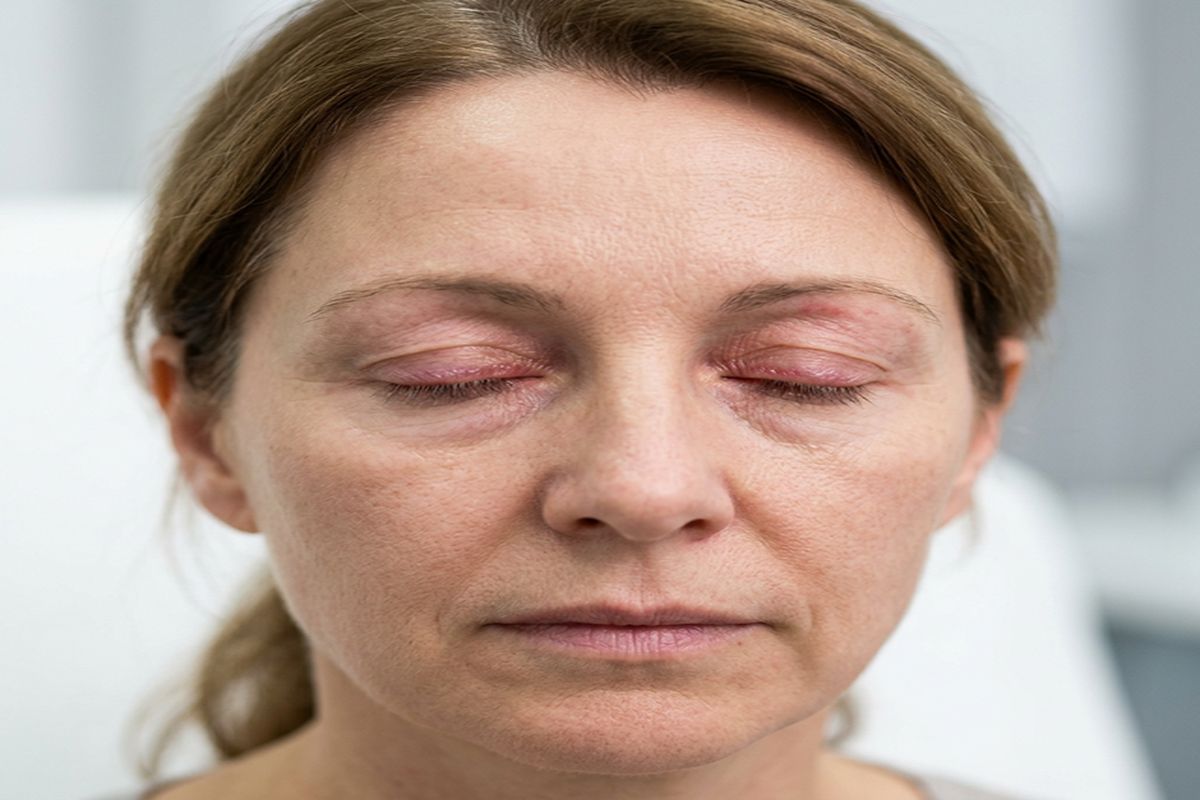
If your eyes water, itch, swell, or burn every time you apply eye makeup, you are not alone. Millions of beauty enthusiasts struggle with eye sensitivity, often resulting in abandoning eyeshadow and mascara altogether. However, having sensitive eyes does not mean you have to skip makeup. By understanding the science of eye irritation, learning which ingredients to avoid, and modifying your application and removal techniques, you can achieve stunning eye looks without the discomfort.
This guide provides an exhaustive roadmap to irritation-free eye makeup. We will dissect the biological reasons why your eyes react, analyze the primary cosmetic culprits, compare ingredients in detail, provide a step-by-step application tutorial, and highlight the safest products available in 2026.
Key Takeaways
- Irritation vs. Allergy: Irritation is a direct chemical response that inflames the skin on contact, while an allergy is an immune system reaction to a specific sensitizer (like carmine or fragrance).
- Particulate Matter is the Enemy: Loose powder eyeshadows release airborne particles that easily settle into the tear film, triggering watering and redness. Pressed powders and cream formulations are significantly safer.
- Avoid the “Waterline”: Tightlining or applying eyeliner directly to the inner rim blocks the meibomian glands, leading to dry eyes and severe irritation.
- Replace on Schedule: Mascara should be replaced every 3 months, liquid liners every 6 months, and powder shadows every 12 to 24 months to prevent bacterial contamination.
- Double Cleansing is Crucial: Remove eye makeup gently using micellar water followed by a soothing oil-based cleanser; never rub or pull at the delicate eyelid skin.
Understanding Eye Sensitivity: The Biology of Irritation
To understand why makeup triggers reactions, we must look at the anatomy of the eye. The ocular surface is protected by a thin liquid layer known as the tear film. The tear film consists of three layers: an inner mucus layer, a middle aqueous (watery) layer, and an outer lipid (oily) layer.
The outer lipid layer is produced by the meibomian glands, which open along the margins of your eyelids, right next to your eyelashes. This oily layer prevents your tears from evaporating too quickly.
When you apply makeup:
- Particulate Contamination: Loose particles from eyeshadow or flaking mascara fall into the tear film. This disrupts the balance of water and oil, causing the tear film to break up prematurely, leading to dry, gritty eyes and reflex watering.
- Chemical Irritation: Volatile chemicals, such as synthetic fragrances or harsh preservatives, evaporate into the air around the eye or dissolve in the tear film. This directly irritates the conjunctiva (the clear membrane covering the white of your eye) and the cornea.
- Contact Dermatitis: The skin of the eyelids is the thinnest on the human body, making it highly permeable. Irritants penetrate this skin easily, causing contact dermatitis, which manifests as redness, scaling, and itching.
There is a vital distinction between irritant contact dermatitis and allergic contact dermatitis. Irritant dermatitis happens to anyone when exposed to a high enough concentration of a harsh substance. Allergic contact dermatitis is a cell-mediated immune response. Once your body sensitizes to an allergen (such as a specific preservative or dye), even a microscopic trace will trigger an intense, itchy, swollen reaction.
The Red List: 6 Eyeshadow Ingredients to Avoid
If you have sensitive eyes, shopping for eyeshadow requires reading the ingredient list. Do not rely on marketing claims like “hypoallergenic,” “natural,” or “clean,” as these terms have no standardized legal definition. Instead, scan for and avoid these common offenders:
1. Carmine (CI 75470 / Cochineal Extract)
Carmine is a bright red pigment derived from crushed cochineal insects. It is widely used in red, pink, purple, and peach eyeshadows to provide rich color. However, carmine contains insect proteins that are highly allergenic. For many people with sensitive eyes, carmine causes immediate swelling, itching, and redness.
- Look for on labels: Carmine, Cochineal, Carminic Acid, Natural Red 4, CI 75470.
- Alternative: Synthetic iron oxides (CI 77491) for warm tones, or synthetic organic dyes (though these can also cause mild sensitivity, they are generally less allergenic than carmine).
2. Bismuth Oxychloride (CI 77163)
Bismuth oxychloride is a synthetic mineral compound used in cosmetics to create a pearlescent, shimmery finish. It has a unique crystalline structure shaped like tiny, flat plates with sharp edges. When applied, these crystals slide against the skin. For sensitive lids, this friction creates micro-scratches, leading to an intense itching or burning sensation, particularly when the skin warms up or sweats.
- Look for on labels: Bismuth Oxychloride, CI 77163.
- Alternative: Smooth-milled mica, synthetic fluorphlogopite (synthetic mica), or calcium sodium borosilicate.
3. Fragrance (Parfum)
Fragrance is added to eyeshadow palettes to mask the chemical smell of ingredients or to create a pleasing sensory experience. However, fragrance compounds are the leading cause of cosmetic contact allergies. Since eye skin is so thin, fragrance molecules easily penetrate and cause irritation. Even “natural” essential oils (like lavender, rose, or citrus) can act as strong sensitizers.
- Look for on labels: Fragrance, Parfum, Aroma, Linalool, Limonene, Geraniol, Citronellol.
- Alternative: Products explicitly labeled “Fragrance-Free” (not just “Unscented,” which may contain neutralizing fragrances).
4. Sensitizing Preservatives
To prevent mold and bacteria from growing, cosmetics require preservatives. However, some preservatives are notorious for causing contact allergies:
- Formaldehyde Releasers: DMDM Hydantoin, Imidazolidinyl Urea, Diazolidinyl Urea, and Quaternium-15. These slowly release small amounts of formaldehyde to preserve the product, which is highly irritating to the eyes and skin.
- Methylisothiazolinone (MI) and Methylchloroisothiazolinone (MCI): Extremely potent allergens restricted in the EU for leave-on products but still found in some US eye cosmetics.
- Alternative: Safer, better-tolerated preservatives like Phenoxyethanol, Ethylhexylglycerin, Potassium Sorbate, and Sodium Benzoate.
5. Untreated Talc and Loose Particle Fillers
Talc is a naturally occurring mineral used as a base filler in powder shadows. While high-grade cosmetic talc is safe, loose talc particles easily become airborne during application. If you have dry eyes or ocular rosacea, these particles settle on the eye surface, clogging the meibomian glands and aggravating dryness.
- Alternative: Talc-free formulas using arrowroot powder, rice starch, or high-quality mica as their base.
6. Certain Metal Oxides and Synthetic Colorants
While iron oxides are generally very safe, other colorants can cause issues:
- Chromium Oxide Greens (CI 77288): A green pigment that can contain trace levels of chromium, a known allergen for some individuals.
- Ferric Ferrocyanide (CI 77510): A deep blue pigment that may cause irritation for highly sensitive eyes.
Comparison of Common Eyeshadow Ingredients
The table below breaks down common eyeshadow ingredients, highlighting their functions, risk levels, and safe alternatives.
| Ingredient Name | Common Function | Risk Level | Primary Symptoms | Recommended Action & Alternatives |
|---|---|---|---|---|
| Carmine (CI 75470) | Red/Pink Pigment | High | Intense itching, swelling, watery eyes | Avoid. Choose synthetic iron oxides or carmine-free vegan shadows. |
| Bismuth Oxychloride | Shimmer/Pearl Agent | High | Burning, prickly itching when sweating | Avoid. Select talc-free shadows using synthetic mica or borosilicate. |
| Fragrance / Parfum | Scent Masking | High | Contact dermatitis, dry eye, redness | Avoid completely. Only buy fragrance-free products. |
| DMDM Hydantoin | Preservative | High | Eyelid eczema, scaling, watering | Avoid. Choose formulas preserved with phenoxyethanol. |
| Loose Talc | Powder Base / Filler | Medium | Tear film disruption, gritty dry eyes | Avoid loose powders. Select pressed powders or cream/liquid shadows. |
| Cosmetic Mica | Pearl / Shimmer | Low | Minimal (unless coarsely milled) | Safe. Ensure it is finely milled and ethically sourced. |
| Purified Iron Oxides | Brown/Black/Red Pigment | Low | None (highly inert mineral) | Safe. The gold standard for sensitive eye pigments. |
| Zinc Oxide | Bulking / SPF | Low | None (soothing properties) | Safe. Helps calm skin and serves as an inert base. |
Step-by-Step Irritation-Free Eyeshadow Tutorial
Achieving a beautiful eyeshadow look without irritation relies as much on your application technique as it does on your product choices. Follow this step-by-step tutorial designed to protect your eyes:
Step 1: Prep Lids with a Clean, Fragrance-Free Primer
Applying eyeshadow directly to bare skin allows pigment oils and dust to migrate. A dedicated eye primer acts as a barrier, locking the pigments in place and preventing them from sliding into your eyes.
- Action: Apply a tiny, rice-grain-sized amount of a hypoallergenic, fragrance-free primer (like the NYX Proof It! Waterproof Eye Shadow Primer) to your lids. Let it dry for 60 seconds before applying shadow.
Step 2: Choose Cream or Liquid Formulas
Cream and liquid eyeshadows are highly recommended for sensitive eyes. Unlike powders, they do not create airborne dust during application. Once dry, they lock onto the skin and do not shed particles throughout the day.
- Action: If using a liquid shadow (such as the ILIA Liquid Powder Chromatic Eye Tint), swipe the applicator directly onto the center of the lid, then use a clean finger or a synthetic brush to pat and blend the edges outward.
Step 3: Tap Off the Excess (If Using Pressed Powder)
If you prefer pressed powder eyeshadow, you must manage fallout.
- Action: Swirl your brush in the shadow, then vigorously tap the metal ferrule of the brush against your wrist or a hard surface. This knocks off any loose, unbonded particles before they get near your face.
Step 4: Use a Pressing (Patting) Motion
How you apply the powder makes a massive difference. Sweeping or windshield-wiper motions throw powder particles into the air, where gravity pulls them down onto your eyelashes and into your eyes.
- Action: Press and pat the eyeshadow onto your lid using a flat, dense packing brush. Save fluffy brushes only for blending the crease, and do so gently.
Step 5: Keep the Waterline Completely Clear
The “waterline” is the wet inner rim of your eyelids. Lining this area with pencil liner is a popular way to define the eyes, but it is highly damaging for sensitive eyes. Eyeliner blocks the meibomian gland openings, preventing the release of essential oils. This results in dry eye syndrome and traps bacteria against the cornea.
- Action: Keep all eyeliners outside the lash line. Apply liner just above your upper lashes and just below your lower lashes, keeping a clear boundary between the makeup and the wet tissue of the eye.
Step 6: Use Clean, High-Quality Synthetic Brushes
Natural animal hair brushes have a textured surface (cuticles) that holds onto powder, but they can harbor bacteria and can cause allergic reactions in people sensitive to animal dander.
- Action: Use high-quality synthetic brushes with smooth fibers. Clean your brushes at least once a week using a gentle, fragrance-free baby shampoo or brush cleanser to prevent the buildup of bacteria, yeast, and old makeup oils.
Top Eyeshadow & Eye Makeup Products for Sensitive Eyes (2026)
When building your collection, look for dermatologist-tested, ophthalmologist-tested, and fragrance-free products. Here are five of the best options available on Amazon in 2026:
1. Clinique All About Shadow Quads
Clinique is a pioneer in ophthalmologist-tested makeup. Their eyeshadows are completely fragrance-free, allergy-tested, and specifically formulated for contact lens wearers and sensitive eyes.
- Benefits: Finely milled, cream-like powder texture that minimizes fallout. Formulated without parabens, phthalates, or fragrance.
- Affiliate Link: Clinique All About Shadow Quad
2. Almay Intense I-Color Shadow Trios
Almay is a drugstore staple designed specifically for sensitive skin. Their shadow trios are hypoallergenic, fragrance-free, and ophthalmologist-tested.
- Benefits: Extremely affordable, color-coordinated palettes designed to enhance your natural eye color. The formula includes soothing ingredients like aloe vera and vitamin E.
- Affiliate Link: Almay Intense I-Color Coordinated Palette
3. BareMinerals Mineralist Eyeshadow Palette
If you want clean, vegan, talc-free pressed powders, BareMinerals is an excellent choice.
- Benefits: Infused with cold-pressed sea buckthorn and rosehip oils to nourish the skin. Talc-free, gluten-free, synthetic fragrance-free, and packaged in fully recyclable paper.
- Affiliate Link: BareMinerals Mineralist Talc-Free Eyeshadow Palette
4. Burt’s Bees 100% Natural Eye Shadow Trios
For those who prefer 100% natural formulations, Burt’s Bees offers mineral pressed powders that are safe and gentle.
- Benefits: Made with bamboo, honey, and vitamin E to nourish skin. Safe for sensitive eyes and contact lens wearers. Free from talc, synthetic fragrances, parabens, phthalates, and petrochemicals.
- Affiliate Link: Burt’s Bees 100% Natural Eye Shadow Trio
5. Honest Beauty Get It Together Eyeshadow Palette
Created by Jessica Alba’s clean beauty brand, this palette offers 10 pigmented, versatile shades that are dermatologist and ophthalmologist tested.
- Benefits: Completely talc-free and made without parabens, phthalates, mineral oil, or synthetic fragrances. Perfect for creating both daily neutral looks and smokey evening styles.
- Affiliate Link: Honest Beauty Talc-Free Eyeshadow Palette
Proper Makeup Removal: The Crucial Final Step
Many people assume they are allergic to their eye makeup when, in reality, their irritation stems from how they remove it. Aggressive scrubbing with harsh makeup wipes damages the delicate skin of the eyelids, pushes makeup particles into the eyes, and strips natural moisture.
Follow this gentle, highly effective removal method:
1. The Soaking Method (Micellar Water)
Use a gentle, fragrance-free micellar water, such as Bioderma Sensibio H2O. Micellar water contains tiny oil molecules (micelles) suspended in soft water that attract dirt and makeup without drying the skin.
- Action: Saturate a soft cotton round with micellar water. Press the round gently against your closed eye and hold it there for 15 to 30 seconds. Do not rub. This gives the micellar water time to dissolve the makeup bonds. Then, wipe gently downward in a single stroke.
2. Follow with a Gentle Hydrating Cleanser
After removing the bulk of the makeup, wash your face with a gentle, fragrance-free cleanser to ensure no soapy residue is left on the skin.
- Action: Massage a hydrating cleanser (such as La Roche-Posay Toleriane Dermo-Cleanser) over the eyes and rinse with lukewarm water. Pat dry with a clean towel.
3. Cleanse the Lash Line (Eyelid Hygiene)
If you have blepharitis, dry eyes, or chronic crustiness, use a dedicated eyelid cleanser containing diluted tea tree oil or hypochlorous acid.
- Action: Spray a small amount of hypochlorous acid spray onto a clean cotton swab and gently run it along the outer lash line to neutralize bacteria and remove microscopic debris.
Healthy Habits for Sensitive Eyes
Beyond products and application, these daily habits will keep your eyes comfortable and irritation-free:
- Enforce the Three-Month Rule: Mascara is a dark, wet environment that acts as a breeding ground for bacteria. Replace your mascara every 3 months. If you have an eye infection (like pink eye), discard all eye makeup immediately.
- Never Share Makeup: Sharing makeup is the fastest way to transmit conjunctivitis, demodex mites, and bacterial infections.
- Store Makeup in a Cool, Dry Place: Never keep your makeup in the bathroom, where steam and humidity promote mold growth. Keep your vanity dry and out of direct sunlight.
- Patch Test Everything: Before applying a new eyeshadow to your lids, swatch a small amount on the inside of your forearm for 24 hours. If no redness or itching occurs, try a small swipe on the outer corner of one eye before committing to a full look.
By combining clean, non-irritating formulas with careful application and removal, you can enjoy wearing eye makeup while keeping your eyes bright, healthy, and irritation-free.
References
- American Academy of Ophthalmology. (2025). “Eye Cosmetic Safety.” aao.org.
- National Rosacea Society. (2025). “Managing Ocular Rosacea: Tips for Patients.” rosacea.org.
- de Groot, A. C. (2024). Monographs in Contact Allergy: Volume 4, Cosmetics. CRC Press.
- Cosmetic Ingredient Review (CIR) Expert Panel. (2025). “Safety Assessment of Talc as Used in Cosmetics.” cir-safety.org.
Get weekly eye care & beauty tips
Guides from the Eyeshadow Looks Beauty Desk. No spam, ever.
Frequently Asked Questions
What is the best type of eyeshadow for sensitive eyes?
Cream eyeshadows are generally better than loose powder eyeshadows for sensitive eyes because they don't produce airborne particles that can fall into the eye and cause irritation. If you prefer powder, choose pressed formulas and tap off the excess before applying.
Are all hypoallergenic makeup products safe?
No. The term 'hypoallergenic' is not regulated by the FDA. Brands can label any product as hypoallergenic without submitting clinical proof. It is always best to check the ingredients list yourself and look for fragrance-free, ophthalmologist-tested formulas.
Can mascara cause more irritation than eyeshadow?
Yes. Mascara is applied close to the tear film and meibomian glands. It can flake off or run, introducing fibers, pigments, and preservatives directly onto the eye surface. Replacing your mascara every 2–3 months is critical to prevent bacterial contamination.
Related Articles
 lifestyle
 Safe Eyeshadow Ingredients for Sensitive Eyes: What to Use and What to Avoid
Read Guide arrow_right_alt remedies
 How to Safely Remove Eye Makeup: Complete Guide to Clean Eyes Without Damage
Read Guide arrow_right_alt tutorials