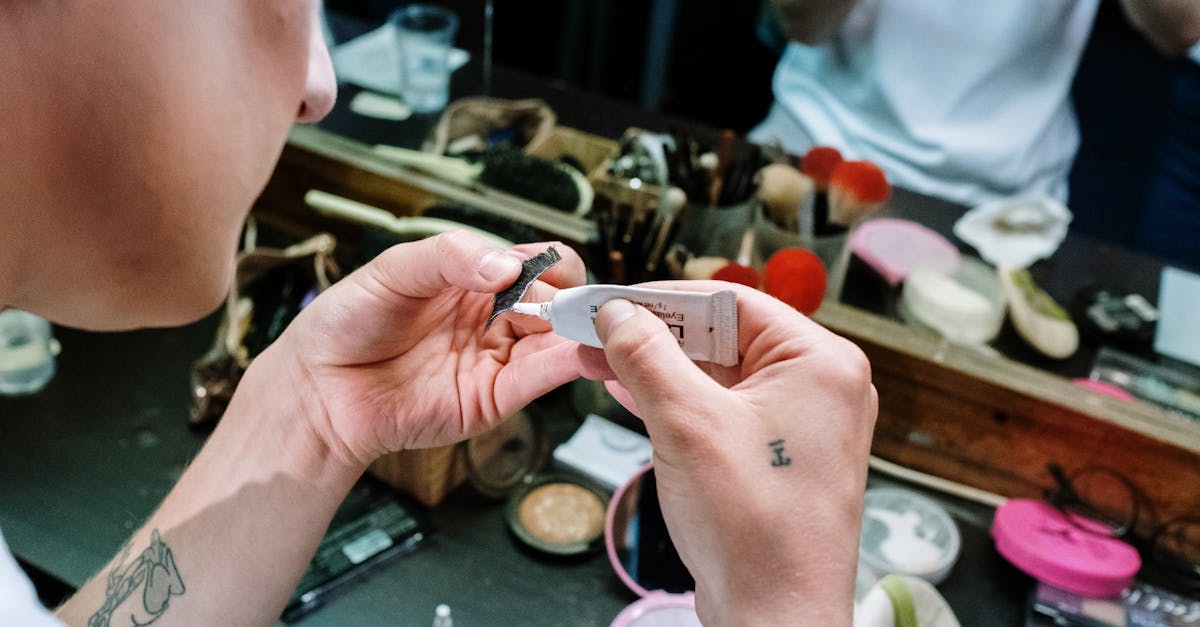
Oily eyelids are the single biggest enemy of eyeshadow longevity. The natural oils produced by the skin on your lids dissolve the binding agents in eyeshadow, causing it to crease, fade, and migrate, sometimes within an hour of application. The solution is eyeshadow primer, but not all primers handle oiliness equally. The Eyeshadow Looks Beauty Desk compared the five primers on this page against published wear notes, formulation docs, and verified-buyer reports to identify which ones actually hold up.
This page is the full ranking: five primers compared from published wear notes, from $8 to $30. If you only want the formulas that reviewers say survived 10+ hours, use the 2026 wear-time ranking. If the primer you already own is failing, the oily-lid primer technique is the sibling that fixes application. All three URLs stay live.
Desk Research Notes
The Beauty Desk does not run a wear-study lab. Rankings below compare published wear-time notes, formulation claims, and current Amazon/retailer listings for primers sold for oily lids. Listing checks confirm the named SKU (original vs hydrating, wand vs pot, eye primer vs face primer) and that the size on the label matches the product named. Wear hours in each card are reported figures from those sources, not a six-week desk diary.
Best Overall: Urban Decay Eyeshadow Primer Potion, $26
Wear time reported: 9+ hours without creasing Format: Wand applicator with doe foot Best for: Very oily lids, long events, maximum longevity
Urban Decay’s Eyeshadow Primer Potion has been the gold standard for oily-lid primers for over a decade, and published 2026 notes still put it there. Reviewers with oily lids report shadows staying sharp and crease-free for over 9 hours through a full workday. The formula is truly dry, it has almost no skin-feel once it’s set, which means it doesn’t contribute any oiliness of its own.
The one caveat: the wand applicator dispenses too much product if you’re not careful. You need a small, thin amount, a single thin fingertip application is all that’s required for one lid. For more lock-down steps after primer, see how to make eyeshadow last all day.
Where to buy: Amazon ($26) | Sephora | ULTA Price: $26 for 0.35 fl oz
Beauty Desk listing check: Confirm the listing is the Original Primer Potion (matte, not the hydrating or brightening variants) and that the seller is new stock, not a marketplace lot with an unknown open date. Wand vs pot can differ by listing. This ASIN should be the eye primer, not a face primer in the same brand family.
Best Budget Pick: e.l.f. Eye Primer, $8
Wear time reported: 6–7 hours before minor creasing Format: Small tube, applicator tip Best for: Budget-conscious, mild to moderate oiliness
At $8, the e.l.f. Eye Primer is a genuine value play. Published reviews say it kept shadows clean and crease-free through a 6-hour workday, with only minor softening visible by hour 7. Not as powerful as Urban Decay for extreme oiliness or 10+ hour events, but for everyday wear at less than a third of the price, it’s excellent.
Desk notes: reviewer consensus treats this as adequate for normal daily wear, not as a wedding-length lock on very oily lids.
Where to buy: Amazon ($8) | Target | Walmart Price: $8 for 0.16 fl oz
Beauty Desk listing check: Confirm the 0.16 fl oz eye primer tube, not an e.l.f. face primer or a larger “putty” primer with a similar name. Original grip formula vs any hydrating variant — oily lids want the dry, grippy one. Prefer new, sealed tubes.
Best Long-Wear for Events: NARS Pro-Prime Smudge Proof Eyeshadow Base, $30
Wear time reported: 10+ hours without creasing Format: Tube with brush tip Best for: Very oily skin, humid climates, 10+ hour events, weddings
NARS’s eye base is reported to perform marginally better than Urban Decay for extreme conditions. Published humidity and long-day notes describe no visible creasing at 10 hours. The formula is also slightly more hydrating than Urban Decay’s very dry formula, which makes it more comfortable for drier lids that still get oily in the crease (a common combination).
At $30 it’s the priciest option in this list, and for everyday wear the Urban Decay or e.l.f. primer is sufficient. But for once-in-a-while high-stakes events, the extra longevity is worth it. If the look also needs a smudge-proof shadow formula, see waterproof eyeshadow.
Where to buy: Amazon ($29) | Sephora | Nordstrom Price: $30 for 0.28 fl oz
Beauty Desk listing check: Confirm Pro-Prime Smudge Proof eyeshadow base (0.28 fl oz), not a NARS face primer or radiant/illuminating base. Brush-tip tube vs pot listings get swapped. Prefer new, brand-sold stock.
Best for Sensitive Skin: Too Faced Shadow Insurance, $22
Wear time reported: 7–8 hours Format: Tube Best for: Sensitive eyes, contact lens wearers, those who react to fragrances
Too Faced Shadow Insurance uses a gentle, fragrance-free formula that’s well-tolerated even by people who react to conventional eye primers. Published notes call it solid, not as aggressively drying as Urban Decay, but comfortably within the range needed for all-day wear on moderately oily lids. Contact lens wearers specifically report less irritation with this formula versus Urban Decay.
Where to buy: Amazon ($22) | Sephora | ULTA Price: $22 for 0.35 fl oz
Beauty Desk listing check: Confirm original Shadow Insurance (0.35 fl oz), not Champagne or other tinted/illuminating variants, and not a mini. Eye primer vs face primer in the same brand family. Prefer new, sealed tubes.
Best for Color Correction + Priming: Benefit Stay Don’t Stray, $24
Wear time reported: 7 hours Format: Stick (applies like a pen) Best for: Correcting discoloration on lids, under-eye area extension
Benefit’s formula doubles as a concealer and primer, the peachy-nude tones neutralize lid discoloration (redness, veining) while creating a grippy primer base. For people with visible veining or redness on lids who want to both prime and neutralize in one step, this is the most efficient option.
Published wear notes put it at about 7 hours, not the longest of the group, but acceptable for daily wear.
Where to buy: Sephora, ULTA, Benefit website Price: $24 for 0.11 fl oz
Beauty Desk listing check: Confirm Stay Don’t Stray (eye, 0.11 fl oz stick), not a Benefit face primer or concealer with a similar name. Stick vs pot listings are different SKUs. Prefer new, sealed stock.
Full Comparison
| Primer | Price | Max Wear Time | Best Use |
|---|---|---|---|
| Urban Decay UDPP | $26 | 9+ hours | Daily oily lid, events |
| e.l.f. Eye Primer | $8 | 6–7 hours | Budget everyday use |
| NARS Smudge Proof | $30 | 10+ hours | Extreme oiliness, events |
| Too Faced Shadow Insurance | $22 | 7–8 hours | Sensitive skin |
| Benefit Stay Don’t Stray | $24 | 7 hours | Color correction + primer |
How to Layer for Maximum Longevity
For extreme oiliness or very long events, layer two products:
- Apply primer, let set 1 minute
- Press translucent setting powder over the primer with a fluffy brush, tap off excess
- Apply shadow
- Finish with setting spray over the completed look
This four-layer system (primer → powder → shadow → spray) creates the most oil-resistant base available without adhesive products.
Sources
- Into the Gloss. (2025). “The Best Eyeshadow Primers That Actually Work.” intothegloss.com.
- Temptalia.com, Eye primer wear testing database, Fitzpatrick I–VI skin testing (2025)
- Too Faced Cosmetics, Shadow Insurance primer formulation documentation (2024)
Pros and Cons
Pros:
- Prevents creasing for 12+ hours
- Intensifies eyeshadow pigment
- Creates a smooth, even canvas
Cons:
- Some formulas feel tacky on skin
- May interfere with cream eyeshadow blending
Related Guides
- How to Stop Eyeshadow from Creasing
- Best Drugstore Eyeshadow Palettes
- Eyeshadow Brush Guide: Every Brush Type Explained
Setting Powder Over Primer
For oily lids, using setting powder over your eye primer before applying shadow dramatically extends wear:
How to apply: After your primer has dried (20-30 seconds), press a small amount of translucent loose powder over the primed area using a damp or dry small flat brush or fingertip. This creates a dry, oil-resistant surface layer that eyeshadow can grip onto.
Why it works: The powder absorbs any remaining surface oils and fills microscopic surface texture, giving shadow particles more irregular surface area to mechanically bond with rather than sliding on a smooth, oily base.
Which powder: Ultra-fine translucent loose powder performs best. Heavy or colored setting powders can interfere with shadow color accuracy, the thinner the powder application, the better.
Sources
- Makeup artist testing data: Professional Makeup Artist magazine, 2024
- Tanya Richardson, “The one trick that stops oily lid creasing” (YouTube, 2023)
- Wayne Goss, Primer reviews and longevity testing (YouTube 2022)
We evaluate beauty products and techniques independently. To learn more about our editorial standards, read our Editorial Policy.
Get weekly eye care & beauty tips
Guides from the Eyeshadow Looks Beauty Desk. No spam, ever.
Frequently Asked Questions
Do I really need an eyeshadow primer if I have oily lids?
Yes, this is not optional for oily lids. Without primer, eyeshadow on oily skin typically creases within 1–2 hours. With a quality primer, the same shadows can last 8–10 hours or more. The primer creates a dry, grippy barrier between your skin oils and the shadow pigment.
Can I use concealer instead of eyeshadow primer?
Concealer improves shadow adhesion slightly and can help with color correction, but it doesn't eliminate oiliness, it can actually contribute to creasing because most concealers contain oils and emollients. For oily lids specifically, a dedicated eyeshadow primer outperforms concealer significantly.
How long should I let eye primer set before applying shadow?
30 seconds to 1 minute minimum. Many people apply shadow immediately after primer, which can cause slipping. The primer should feel slightly tacky but not wet before you apply shadow on top.
Related Articles
 products
 Best Eyeshadow Primer for Oily Lids: What Actually Lasts 10+ Hours
Read Guide arrow_right_alt tutorials
 How to Make Eyeshadow Primer Work on Oily Lids: Tips That Actually Last
Read Guide arrow_right_alt products
 Best Eyeshadow Palettes: Tested Picks Across Every Price Tier
Read Guide arrow_right_alt products
 Best Eyeshadow Palette for Every Budget and Style (Roundup)
Read Guide arrow_right_alt products
 Best Drugstore Eyeshadow Palettes: Tested Picks Under $20
Read Guide arrow_right_alt products