
The first eyeshadow palette you buy matters more than most beauty advice suggests. A badly chosen palette — one with chalky formulas, confusing color stories, or shades that all look the same on the lid — will make learning eyeshadow technique genuinely harder. And a lot of “best palette” lists just recommend whatever’s popular, regardless of whether it actually helps a beginner learn.
A good beginner palette needs three things: a formula that blends without fighting you, a shade arrangement that makes logical sense (light to dark, left to right), and colors that work together no matter which ones you combine. Here are eight palettes from 2026 that deliver all three.
This page ranks learning, not the cheapest compact and not the best palette in every price tier. The under-$20 drugstore list stays on price cap and listing checks. The price-tier stack ranks eight palettes from drugstore to luxury. How to put the first shade on lives on how to apply eyeshadow for beginners and the complete starter guide. Those URLs stay live.
Amazon and brand pages will sell you “best palette” by shade count. They will not tell you that a 30-pan is a worse teacher, that an all-shimmer compact hides bad blending, or that a hooded lid needs a mid-matte you can still see with eyes open. The Beauty Desk mapped these eight by formula forgiveness, shade jobs, and current listings. The desk does not run an in-house wear lab.
Who this ranking is for. First-palette buyers. People who can pack a lid but still lose the crease. Anyone who wants neutrals that work together so a bad combo is hard to make.
When to skip this ranking. If you already blend confidently and only want under $20, use the drugstore list. If shadow vanishes when you look ahead, a new palette will not move the crease — start with placement for hooded eyes. If the look lasts twenty minutes, fix primer on oily lids before you buy another compact. If you already own Warm Neutrals and want a method, use everyday eye looks or the brown-first smokey.
Lid-type notes. Hooded: prefer a mid-matte that shows above the fold and skip all-shimmer minis. Oily: a “forgiving” formula still creases without a dry primer. Deep skin: a pale “nude” 12-pan will look like leftover powder — use The Nubian card below, not another beige quad. Cool-pink skin: Warm Neutrals can read muddy; Naked 2 Basics or Rose-leaning drugstore pans are the usual swap.
Best Overall for Beginners: NYX Professional Makeup Ultimate Shadow Palette in Warm Neutrals (~$18)
Sixteen shades for under $20 is already a strong value proposition, but what makes this palette genuinely beginner-friendly is the shade organization. The top row is all light base and transition shades. The second row is mid-tones. The third and fourth rows go progressively deeper. You’re essentially reading a cheat sheet for shade placement every time you open it.
What makes it beginner-friendly: The matte formula here is soft and buildable rather than immediately pigmented. That means your first swipe is sheer enough to correct if placement is off, and you build intensity gradually. For a beginner, this forgiveness is more valuable than intense pigmentation. The same compact is the overall pick on the drugstore list for a different reason (price-per-pan). Here it wins because the rows teach order.
Who it is for / skip. For warm or neutral skin learning a two-shade map. Skip Brights, Cool Neutrals, and Queen editions — those are different 16-pans. Skip this card if sixteen choices freeze you; use the Bite-Size or Soft Glam Mini cards instead.
- Shade count: 16 (10 matte, 6 shimmer)
- Price: ~$18 at Ulta, Target, Amazon
- Best for: Learning crease placement and basic blending
Beauty Desk listing check: Confirm Warm Neutrals (sometimes Neutral-Warm) vs Brights or Cool Neutrals. This ASIN should be the 16-pan palette, not an e.l.f. Bite-Size quad or a single refill. Prefer new, brand-sold stock.
Best Drugstore: Milani Most Loved Mattes Palette (~$12)
All-matte palettes are underrated for beginners because they force you to learn blending properly — there’s no shimmer to distract from technique. Milani’s twelve-shade matte palette runs from ivory through warm browns to a deep espresso, and the formula is buttery without being powdery.
What makes it beginner-friendly: Every shade transition in this palette is gradual. The jump from one shade to the next is small enough that blending two adjacent shades is almost foolproof. That gradual progression teaches your hands what good blending feels like before you attempt higher-contrast looks.
Who it is for / skip. For learning crease work without shimmer hiding patchiness. Skip it as your only palette if you want a lid highlight in the same compact. No Amazon link on this card — match “Most Loved Mattes” on the box at drugstores; lookalike “loved nudes” kits are not this 12-pan.
- Shade count: 12 (all matte)
- Price: ~$12 at drugstores and Amazon
- Best for: Mastering matte blending technique
Beauty Desk listing check: Confirm the 12-pan all-matte Milani, not a Milani shimmer quad or a face-palette kit with a similar name. Prefer new, sealed stock.
Best Mid-Range: ColourPop Making Mauves Palette (~$14)
ColourPop consistently delivers formulas that punch above their price point, and Making Mauves is one of the best examples. Nine shades in a mauve-to-plum color story that’s universally flattering and nearly impossible to make look bad together.
What makes it beginner-friendly: The compact size means fewer decisions. Nine shades is enough for a complete eye look without the overwhelm of a 16-shade palette. The pressed formula is more pigmented than NYX but still blendable, landing in a middle ground that rewards both light and heavy application.
Who it is for / skip. For cool-mauve or rosy skin that looks muddy in Warm Neutrals. Skip it if you wanted a chocolate-brown smokey map. No Amazon link on this card — buy from ColourPop or Ulta and confirm “Making Mauves,” not another ColourPop 9-pan.
- Shade count: 9 (5 matte, 4 shimmer/metallic)
- Price: ~$14 at ColourPop and Ulta
- Best for: Learning complete eye looks with a small, curated selection
Beauty Desk listing check: Confirm Making Mauves, not a similarly named mauve vault or a 4-pan mini. Prefer in-stock brand or Ulta listings over marketplace lots.
Best for Warm Skin Tones: Anastasia Beverly Hills Soft Glam Mini (~$29)
The full Soft Glam palette is an industry staple, but the mini version is actually better for beginners. Five shades selected from the original — a highlight, a transition shade, a crease shade, a shimmer lid shade, and a definer — that form a single cohesive look with zero guesswork.
What makes it beginner-friendly: Five shades means each shade has a clear purpose you can learn: base, transition, crease, lid, definer. The ABH formula is exceptionally smooth, so your brush movements translate directly to the lid without patchiness or hard edges.
Who it is for / skip. For buyers who will actually use a five-job map and can spend near $30. Skip the full Soft Glam if you wanted this teaching mini — the 12-pan is a different product. The full Soft Glam Amazon listing used elsewhere on this site is not this card.
- Shade count: 5
- Price: ~$29 at Sephora and ABH
- Best for: Learning shade-by-shade placement with luxury formula quality
Beauty Desk listing check: Confirm the 5-pan Soft Glam Mini, not the full palette, not a refill, and not a lookalike “glam” set. Check pan count on the listing photo. Prefer new, brand-sold stock. No Amazon ASIN is attached here on purpose.
Best for Cool Skin Tones: Urban Decay Naked 2 Basics (~$30)
While most beginner palettes lean warm, Naked 2 Basics goes cool-toned with taupes, grays, and cool browns that complement fair-to-medium skin with pink or neutral undertones beautifully. Six matte shades that cover every element of a complete eye look.
What makes it beginner-friendly: The compact layout and cool-toned focus fill a gap most beginner palettes miss. If warm browns have always looked muddy on you, this palette’s cooler undertones will click immediately. The formula is dense and pigmented — a small amount goes far, which teaches controlled application.
Who it is for / skip. For pink or neutral undertones that go orange in Warm Neutrals. Skip it if you wanted shimmer in the same compact, or if $30 is the wrong first spend — NYX Warm Neutrals or Rose Water on the drugstore list cost less. No Amazon link on this card.
- Shade count: 6 (all matte)
- Price: ~$30 at Sephora, Ulta, Nordstrom
- Best for: Cool-toned skin that doesn’t suit warm brown palettes
Beauty Desk listing check: Confirm Naked 2 Basics (cool taupes), not Naked3, not a Naked mini vault, and not a single refill. Prefer new, sealed stock.
Best Budget Option: e.l.f. Bite-Size Eyeshadow in Cream & Sugar (~$3)
At three dollars, this is a risk-free entry point. Four shades — a highlight, a mid-tone, a shimmer, and a deeper shade — that form one complete eye look. The formula is surprisingly workable for the price, with mattes that blend and shimmers that reflect rather than flake.
What makes it beginner-friendly: Four shades eliminates decision-making entirely. Open the palette and use all four shades in the obvious placement order: lightest under the brow, mid-tone in the crease, shimmer on the lid, deepest in the outer corner. Done. If you mess up, you’re out three dollars.
Who it is for / skip. For a first Tuesday attempt before you spend $18. On hooded eyes, use the mid-matte above the fold, not inside it. Skip it if you already know you want a 12- or 16-pan teacher.
- Shade count: 4 (2 matte, 2 shimmer)
- Price: ~$3 at Target, Ulta, e.l.f., and Amazon
- Best for: Zero-commitment first attempt at eyeshadow
Beauty Desk listing check: Confirm Cream & Sugar (or the named 4-pan on the thumbnail), not another Bite-Size color story and not an 18-pan e.l.f. floral. This ASIN should be a Bite-Size quad. Prefer new stock.
Best for Deeper Skin Tones: Juvia’s Place The Nubian Palette (~$20)
Most “nude” palettes assume light skin, leaving deeper skin tones with washed-out results. The Nubian Palette is built with deeper complexions in mind — rich terracottas, burgundies, and gold shimmers that show up vibrantly against medium-to-deep skin without requiring excessive layering.
What makes it beginner-friendly: The pigmentation is calibrated so that one layer gives visible color on deeper skin, eliminating the frustrating experience of building four layers to see any result. The color story is cohesive enough that any combination within the palette produces a harmonious look. A pale drugstore “nude” from the under-$20 list will not do this job.
Who it is for / skip. For medium-to-deep skin that needs terracotta and gold, not beige leftover. Skip it if you are fair-cool and wanted a taupe teacher — that is Naked 2 Basics or a cool drugstore rose, not this card. No Amazon link on this card.
- Shade count: 12 (6 matte, 6 shimmer)
- Price: ~$20 at Ulta and Juvia’s Place
- Best for: Medium-to-deep skin tones that need higher pigmentation from the first swipe
Beauty Desk listing check: Confirm The Nubian (original 12-pan), not a Nubian sibling vault or a single refill. Prefer Ulta or brand-sold new stock.
Best All-in-One: Maybelline The Nudes Palette (~$11)
Twelve shades spanning from pale beige to near-black in a mix of mattes and shimmers, all at a drugstore price. This palette covers literally every neutral look category — everyday, office, date night, and smokey — which means you can learn multiple techniques without buying a second palette.
What makes it beginner-friendly: Versatility. A single palette that handles the complete beginner learning curve from one-shadow washes through multi-shade blended looks to a basic smokey eye. The formula is middle-of-the-road in pigmentation, which is actually an advantage: it’s forgiving enough for mistakes but pigmented enough for visible results.
Who it is for / skip. For one compact that can grow from a five-minute wash into a brown smokey. Skip it if you are deep-skinned and the lightest nudes will disappear — use The Nubian. On oily lids, prime first.
- Shade count: 12 (5 matte, 7 shimmer)
- Price: ~$11 at drugstores and Amazon
- Best for: Beginners who want one palette that covers every learning stage
Beauty Desk listing check: Confirm The Nudes (12-pan), not The Blushed Nudes or a lookalike “nudes” quad. Prefer new, sealed stock.
How to Choose Your First Palette
If you’re still unsure, use this decision framework:
- Budget under $15: Go with the NYX Ultimate Warm Neutrals or Milani Most Loved Mattes. Both teach technique well, and if you discover you don’t enjoy eyeshadow, the financial commitment is minimal.
- Budget $15–$30: ColourPop Making Mauves or Juvia’s Place The Nubian, depending on your skin tone. Better formulas that reward practice with better results.
- Budget $30+: ABH Soft Glam Mini or Urban Decay Naked 2 Basics. Premium formulas that make blending easier and teach you what high-quality eyeshadow feels like from the start.
What to Skip as a Beginner
- All-shimmer palettes: You need mattes to learn blending and crease placement.
- Palettes with only bold colors: Neons, bright blues, and vivid purples are fun but require strong technique to look intentional.
- Giant palettes with 30+ shades: Decision fatigue is real. More shades means more confusion about what goes where.
- Liquid or cream shadow palettes: Pressed powder is the most beginner-friendly formula because it’s the most correctable — you can blend out mistakes, add more, or wipe it off easily.
The Technique Matters More Than the Palette
A $12 palette with proper blending technique will outperform a $60 palette applied carelessly. After choosing your first palette, invest time in learning three fundamental skills: applying a transition shade in the crease, packing shimmer on the center lid, and blending the edges where two shades meet. Every eye look, from the simplest to the most complex, is built from these three actions.
Start with a single shade all over the lid. Then try two shades — one in the crease, one on the lid. Then add a darker outer corner. Build complexity gradually, and your palette will grow with you. The beginner smokey method is the next look once those three actions feel boring. If the crease still vanishes with eyes open, that is a hooded placement problem, not a palette problem.
Related Guides
- Best Drugstore Eyeshadow Palettes
- Eyeshadow for Hooded Eyes: Placement Tips
- Best Eyeshadow Primer for Oily Lids (10+ Hours)
- Smokey Eye Tutorial for Beginners
- Everyday Eye Shadow Looks
- Eyeshadow for Beginners: The Complete Starter Guide
- How to Apply Eyeshadow for Beginners
- Best Eyeshadow Palettes: Price-Tier Picks
Get weekly eye care & beauty tips
Guides from the Eyeshadow Looks Beauty Desk. No spam, ever.
Frequently Asked Questions
How many shades should a beginner eyeshadow palette have?
Between 9 and 16 shades is the sweet spot. Fewer than 9 limits your ability to learn different looks, while more than 16 becomes overwhelming when you're still learning where each shade goes. A palette with 12 shades — roughly half matte, half shimmer — gives you enough variety to practice one-shadow looks, simple transitions, and more defined eye looks without decision paralysis.
Should beginners start with matte or shimmer eyeshadow?
Start with matte for learning technique. Matte shadows show you exactly how well you've blended because there's no sparkle to mask uneven application. Once your blending feels consistent, shimmer shades on the center lid add dimension with minimal effort. Most beginner-friendly palettes include both, which is ideal.
Is it worth spending more on a first palette?
Spending $20–$40 on a first palette is worthwhile. Very cheap palettes (under $10) often have poor pigmentation that makes blending harder, which teaches you bad habits. You don't need luxury pricing, but mid-range palettes from brands like NYX, Milani, or ColourPop give you formulas that respond to your brush movements predictably. That predictability is what helps you learn.
What colors should a beginner eyeshadow palette have?
Look for a palette with these shade types: a light matte close to your skin tone (for setting primer and highlighting), a medium warm brown matte (for the crease), a deeper brown or taupe (for defining the outer corner), and at least one shimmer in gold, champagne, or bronze for the lid. Avoid palettes that are all bold colors — neutrals teach you placement before you add complexity.
Can I use one palette for both everyday and evening looks?
Absolutely. A good beginner palette should do both. For everyday, use the lighter matte shades with a wash of shimmer on the lid. For evening, build up the deeper shades in the crease and outer corner, pack on more shimmer, and add a darker shade along the lash line. The same 12 shades can create dramatically different results based on intensity and placement.
Related Articles
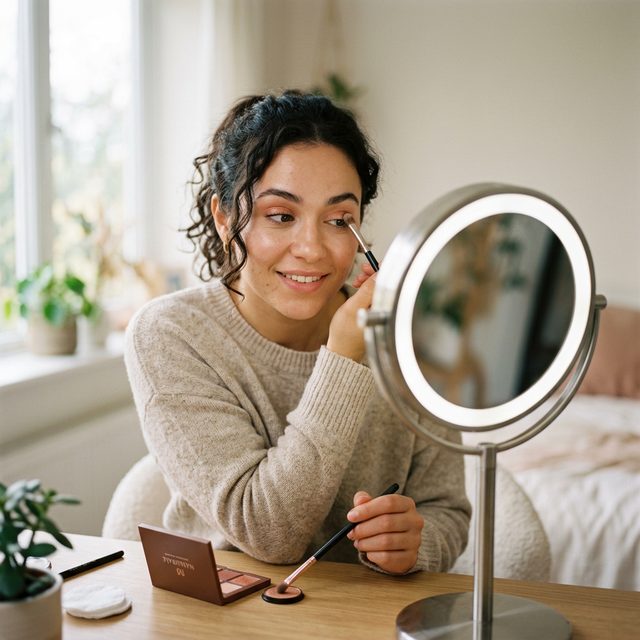 tutorials
 Eyeshadow for Beginners: The Complete Starter Guide
Read Guide arrow_right_alt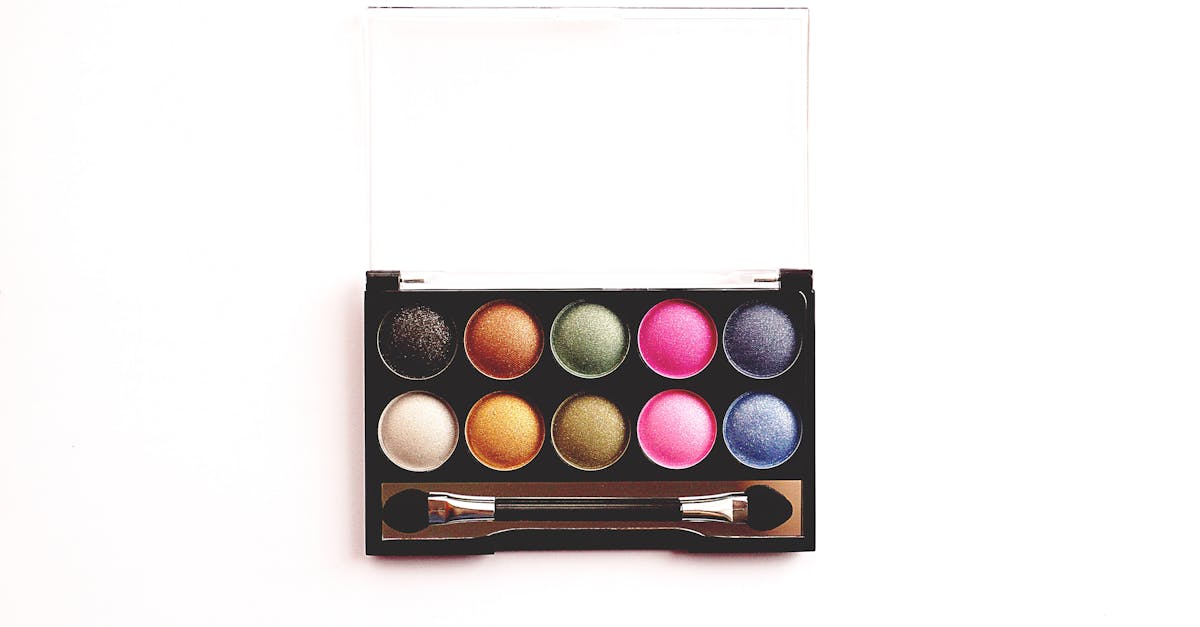 products
 Best Eyeshadow Palettes: Tested Picks Across Every Price Tier
Read Guide arrow_right_alt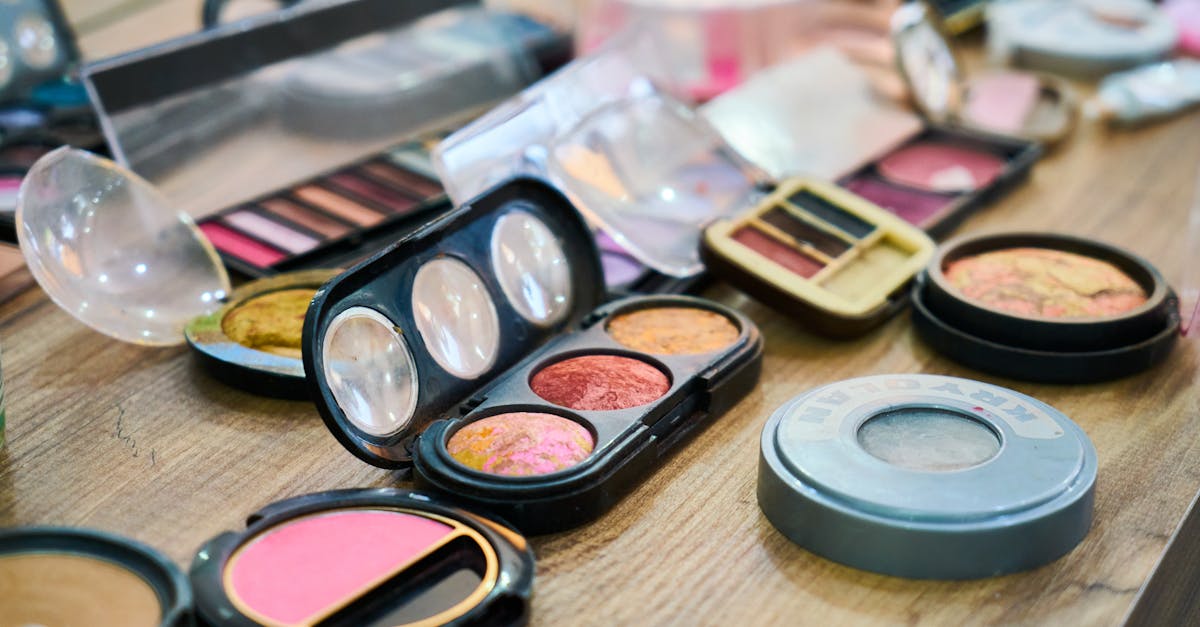 products
 Best Drugstore Eyeshadow Palettes: Tested Picks Under $20
Read Guide arrow_right_alt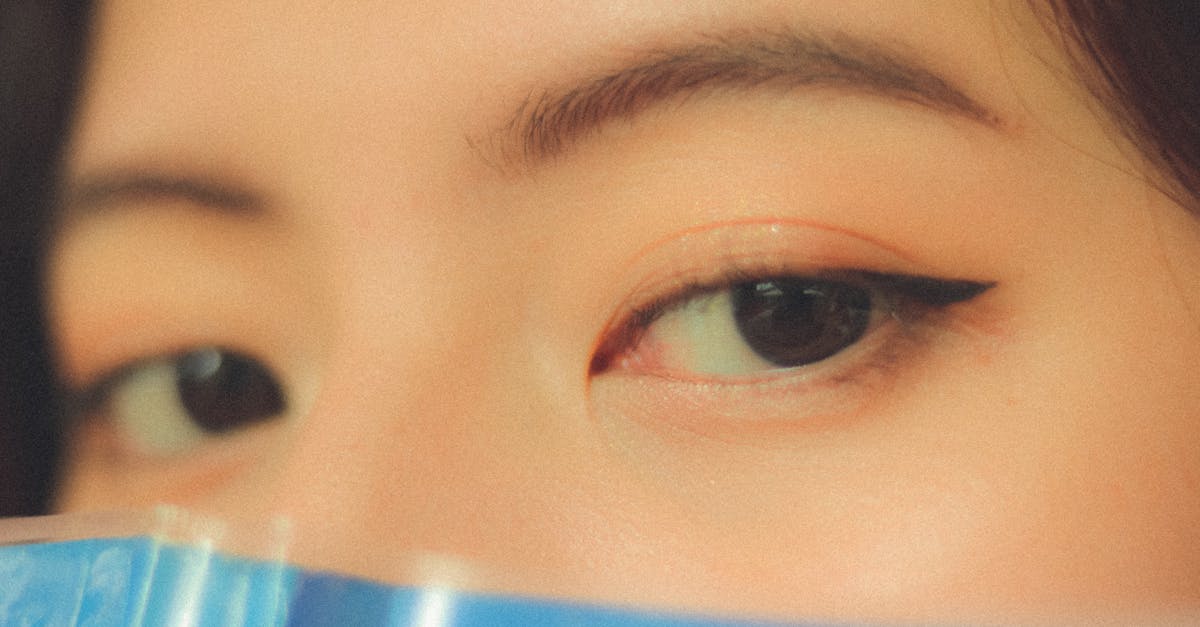 tutorials
 Eyeshadow for Hooded Eyes: Placement Tips That Actually Work
Read Guide arrow_right_alt tutorials
 Smokey Eye Tutorial for Beginners: A Foolproof Method
Read Guide arrow_right_alt tutorials