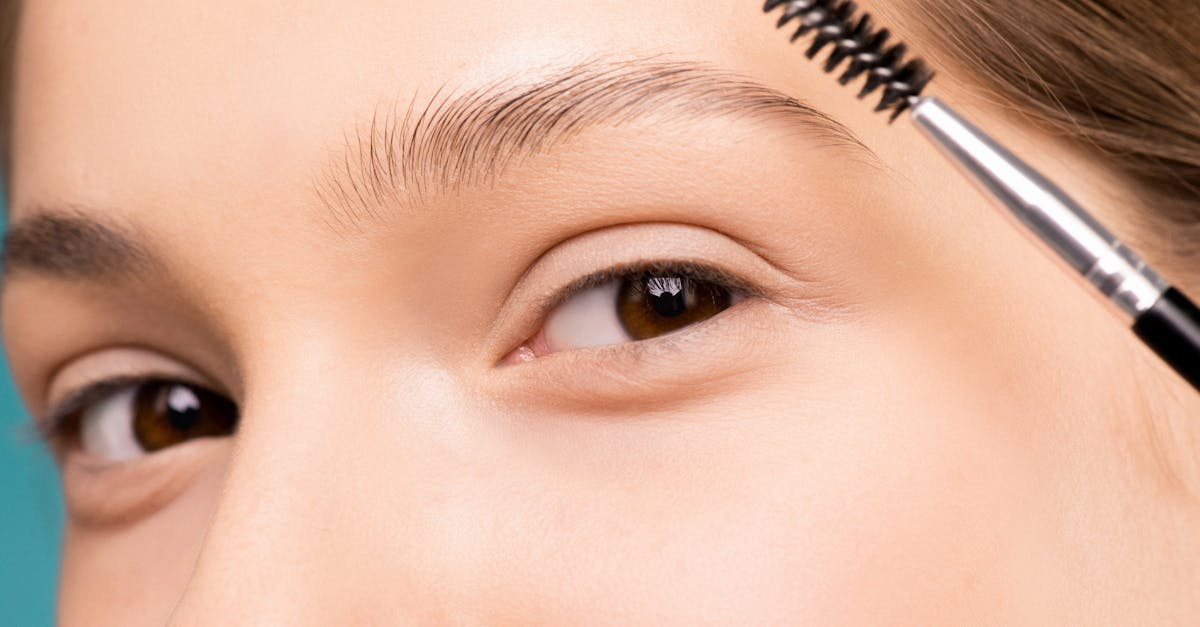
You wake up, stumble to the bathroom mirror, and find two swollen pouches where your under-eyes used to be. It happens to nearly everyone at some point, and for some people it is a near-daily occurrence. The good news is that morning puffiness has specific, well-understood causes, and most of them are fixable without a dermatologist visit.
Why It Happens Overnight
The root cause is almost always fluid retention. While you sleep, you are lying flat for hours, and your heart rate and circulation slow down. Without gravity pulling fluid downward into your lower body, it distributes more evenly, and some of it settles in the loose, thin tissues surrounding your eyes.
The under-eye area is uniquely vulnerable to this because the skin there is roughly 0.5 millimeters thick, about four times thinner than the skin on most of the rest of your face. There is very little fat beneath it to absorb the fluid, so even a small amount of swelling becomes immediately visible.
Several factors make the overnight fluid shift worse:
Salt and Alcohol
A salty dinner or evening snacks trigger your body to retain water. Sodium pulls water into the tissues, and the under-eye area shows it first. Alcohol compounds the problem by dehydrating you initially (causing your body to overcorrect and hold onto water) and by dilating blood vessels, which allows more fluid to leak into surrounding tissue.
If you ate a pizza or sushi platter with soy sauce the night before and had a couple of drinks, you can almost guarantee puffier eyes the next morning.
Sleep Position
Sleeping face-down or flat on your back allows more fluid to collect around the orbital area. Side sleepers sometimes notice more puffiness on the side that was pressed into the pillow, since gravity pulls fluid toward the lower side.
Allergies
Dust mites in your pillow, pet dander on your bedding, or seasonal pollen entering through an open window can trigger a low-grade allergic reaction overnight. Histamine release causes blood vessels to dilate and tissues to swell, and you wake up with puffy, sometimes itchy eyes.
If your puffiness consistently worsens during spring or fall, or if you sleep with a pet in the room, allergies are a likely contributor.
Crying
Emotional tears have a different chemical composition than basic tears. They contain less salt, which means water moves into the surrounding tissue through osmosis, producing pronounced swelling. Crying before bed almost always results in noticeably puffy eyes the following morning.
Dehydration
When you do not drink enough water during the day, your body compensates by holding onto whatever fluid it has. The result is puffiness in areas with loose tissue, especially the under-eyes. It seems paradoxical, but drinking more water actually reduces water retention.
Aging
Collagen and elastin in the under-eye area decline with age, and the muscles supporting the lower eyelid weaken. Fat that normally stays behind the eyeball can push forward. All of this makes the area more prone to visible swelling, even from mild fluid shifts that a younger person’s skin and tissue would absorb without showing.
Quick Morning Fixes
These strategies work within 15 to 30 minutes and can noticeably reduce swelling before you head out the door.
Cold Compresses
Cold constricts blood vessels and reduces inflammation. The fastest method is to place two metal spoons in the freezer for ten minutes (or keep them there overnight), then press the curved side gently against your under-eyes.
Other options that work equally well:
- Chilled cucumber slices (10 minutes over closed eyes)
- A bag of frozen peas wrapped in a thin towel
- A cool, damp washcloth
- Ice rolled in a soft cloth
Hold the cold object against the area for 10 to 15 minutes. The swelling should reduce noticeably within that time.
Caffeinated Tea Bags
Steep two black or green tea bags, let them cool, then refrigerate them for a few minutes. Place the chilled bags over your closed eyes for 10 minutes. Caffeine in the tea constricts blood vessels while the cool temperature reduces swelling. The tannins also have a mild anti-inflammatory effect.
Chamomile tea bags are another option. They lack caffeine but contain compounds that soothe irritation and reduce inflammation, making them a good choice if your puffiness is allergy-related.
Gentle Tapping Massage
Using your ring finger (it applies the lightest pressure), tap gently along the orbital bone making a circle around each eye. Start at the inner corner of the brow, move outward along the brow bone, down the outer edge, and back inward along the lower orbital bone.
This stimulates lymphatic drainage and helps move trapped fluid out of the area. Spend about 60 seconds per eye. You can also use a chilled jade roller or gua sha tool for the same effect.
Splash with Cold Water
If you are short on time, simply splashing cold water on your face and holding a handful of cold water against your closed eyes for 30 seconds can give a modest reduction in puffiness. It is not as effective as a sustained cold compress, but it helps when you need a fast fix.
Longer-Term Prevention
If morning puffiness is a recurring issue, these habit changes address the root causes.
Elevate Your Head at Night
Adding an extra pillow or using a wedge pillow to raise your head four to six inches above your heart during sleep helps gravity pull fluid away from the face. This is one of the most effective changes you can make, and most people see results starting from the first night.
Reduce Sodium in Your Evening Meals
The American Heart Association recommends no more than 2,300 milligrams of sodium per day, and ideally closer to 1,500. Paying attention to evening meals specifically is key because the sodium you consume right before lying down has the most direct impact on overnight fluid retention.
Common high-sodium culprits include canned soup, frozen meals, deli meats, cheese, soy sauce, and chips.
Stay Hydrated Throughout the Day
Aim for roughly eight glasses of water or other non-caffeinated fluids daily. Spreading your water intake across the day is more effective than drinking large amounts at once. Some people worry that drinking water before bed will make puffiness worse, but moderate hydration actually helps your kidneys process and excrete excess sodium, reducing retention overall.
Address Allergies
If you suspect allergies are involved, try these steps:
- Wash your pillowcases weekly in hot water
- Use hypoallergenic pillow covers
- Keep pets out of the bedroom
- Run an air purifier with a HEPA filter while you sleep
- Take an antihistamine before bed during allergy season
These changes can dramatically reduce the low-grade overnight allergic inflammation that contributes to morning puffiness.
Limit Alcohol Before Bed
Stopping alcohol consumption two to three hours before sleep gives your body more time to process the dehydrating effects. If you do drink in the evening, match each alcoholic drink with a full glass of water.
Eye Creams for Morning Puffiness
A targeted eye cream applied in the morning can complement the cold compress approach.
Look for products containing caffeine, which temporarily tightens the skin and reduces puffiness from the surface. Peptides support skin firmness over time. Hyaluronic acid provides surface hydration that smooths the appearance of the swollen area.
Store your eye cream in the refrigerator for an extra de-puffing boost. The cold temperature adds to the constricting effect of the caffeine.
When to See a Doctor
Occasional morning puffiness is normal and not a cause for concern. However, certain patterns warrant a medical check:
- Puffiness that does not improve at all during the day
- Swelling in only one eye, especially with redness or pain
- Puffiness accompanied by vision changes
- Consistent swelling alongside fatigue, weight gain, or sensitivity to cold (potential thyroid issues)
- Eye swelling with skin redness, warmth, and discharge (possible infection)
Your doctor can rule out conditions like thyroid disease, kidney problems, or orbital cellulitis, which cause persistent swelling that does not respond to home remedies.
Frequently Asked Questions
Will sleeping more reduce puffiness?
Quality matters more than quantity. Seven to nine hours of uninterrupted sleep allows your body to regulate fluid balance properly. However, sleeping ten or more hours can actually worsen puffiness because you spend more time lying flat, giving fluid more time to accumulate.
Do under-eye patches help with morning puffiness?
They can provide short-term improvement. The cooling effect of the gel patch combined with ingredients like caffeine or peptides can reduce mild puffiness. Keep them in the refrigerator for the best results. They are a convenient option when you do not have time for a full cold compress session.
Is morning puffiness hereditary?
It can be. If your parents had prominent morning puffiness, you may have inherited thinner under-eye skin or a facial structure that makes fluid retention more visible. While you cannot change your genetics, the prevention strategies above can minimize the effect.
Sources
- Mayo Clinic. (2025). “Bags Under Eyes: Symptoms and Causes.” mayoclinic.org.
- American Academy of Ophthalmology. (2025). “Why Are My Eyes Puffy?” aao.org.
- Cleveland Clinic. (2025). “Periorbital Edema (Swelling Around the Eyes).” clevelandclinic.org.
- Johns Hopkins Medicine. (2025). “How to Get Rid of Bags Under Your Eyes.” hopkinsmedicine.org.
Related Guides
Get weekly eye care & beauty tips
Guides from the Eyeshadow Looks Beauty Desk. No spam, ever.
Related Articles
 causes
 Dark Circles Under Eyes: The Complete Guide to Causes and Treatments
Read Guide arrow_right_alt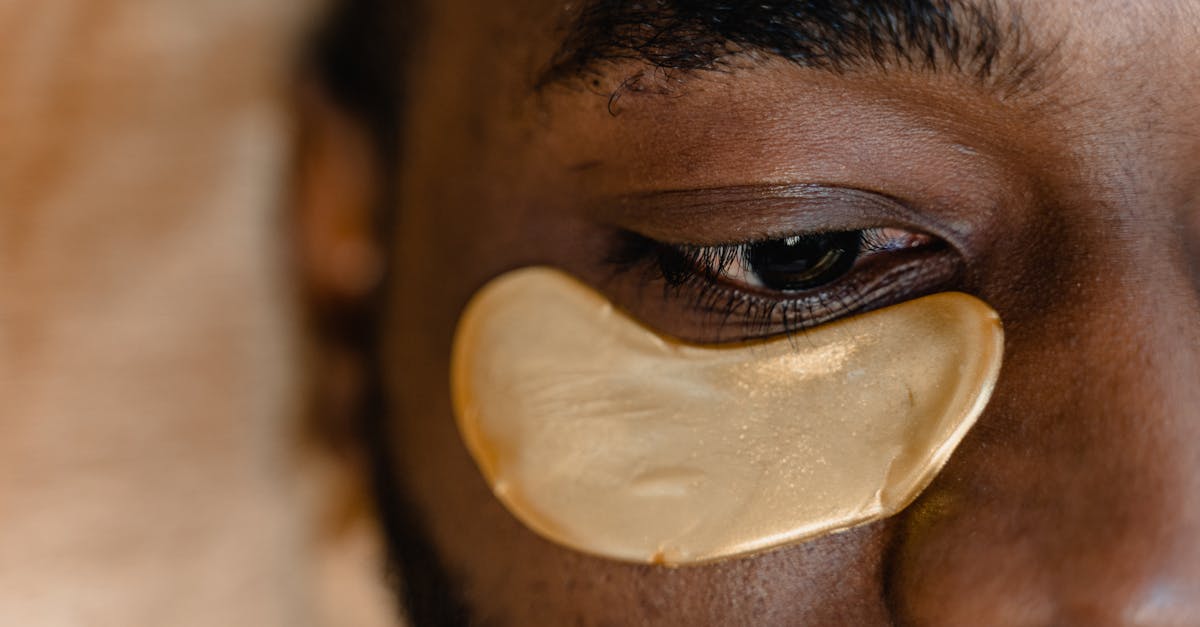 causes
 Dark Circles Under Eyes: Causes, Types, and Treatments That Match Your Type
Read Guide arrow_right_alt remedies
 How to Get Rid of Dark Circles: A Realistic Guide to Causes, Skincare, & Makeup
Read Guide arrow_right_alt remedies
 Natural Remedies for Dark Circles: What Actually Works
Read Guide arrow_right_alt causes
 Dark Circle Causes by Type: Vascular, Pigment, and Structural
Read Guide arrow_right_alt causes