
Eye bags fall into two categories that require different approaches: fluid-based puffiness (temporary, responds to lifestyle and product) and structural bags (anatomical, caused by fat pad displacement, requires more intervention to address). The single most important step is identifying which type you have.
Medical note: This article covers cosmetic approaches and general information. Consult a dermatologist or oculoplastic surgeon if you are considering professional treatments.
Understanding What Actually Causes Eye Bags
The orbital fat pad: The lower eyelid has a fat pad that cushions the eye socket. With age, the orbital septum, the membrane holding it in place, weakens, and the fat pad migrates forward, creating the characteristic puffy bulge of a structural eye bag. This is genetic in timing and severity.
Fluid retention: Fluid accumulates in the under-eye area during sleep (you’re horizontal, reducing drainage) and with salt intake, alcohol, allergies, or inflamed sinuses. This type of puffiness is typically worst in the morning and improves through the day.
Skin laxity: Thinning and loosening skin over the lower lid creates shadow and depth that reads as bags even when the underlying anatomy hasn’t changed much.
Distinguishing them: If your bags are significantly worse in the morning and noticeably improve by midday, they have a strong fluid component. If they look roughly the same all day regardless of sleep quality, they’re primarily structural.
For Fluid-Based Puffiness: What Reduces it
Reduce Salt Intake
High sodium causes systemic fluid retention, and the thin-skinned under-eye area shows it first. Reducing dietary sodium, especially in the evening, is consistently the most effective lifestyle change for fluid-based puffiness.
Sleep Position
Sleeping slightly improved (a second pillow is enough) allows the lymphatic system to drain the area more effectively than sleeping completely flat.
Cold Compresses
Applying something cold to the under-eye area causes blood vessels to constrict, temporarily reducing visible puffiness. Chilled spoons, refrigerated eye masks, or cold-water-soaked cotton pads all work. The effect is real but short-term (30–60 minutes).
Caffeine Eye Creams
Caffeine in topical eye cream works via the same mechanism as the cold compress, it constricts blood vessels temporarily, reducing visible swelling. Look for brands where caffeine is in the first five ingredients.
Effective options:
- The INKEY List Caffeine Eye Cream (~$12), Strong caffeine concentration, lightweight
- Peter Thomas Roth Instant FIRMx Eye (~$49), Temporary tightening effect for events
- RoC Retinol Correxion Eye Cream (~$22), Combines caffeine with retinol for longer-term benefit
Reduce Alcohol and Improve Hydration
Alcohol is a diuretic that causes dehydration and then compensatory fluid retention. Even moderate consumption significantly worsens morning under-eye puffiness for most people. Adequate daily water intake reduces fluid retention.
For Structural Bags: What Makes a Difference
Retinol Eye Creams (Long-Term)
Retinol stimulates collagen production and can improve skin thickness and firmness over 3–6 months of consistent use. This won’t reposition fat but can improve the overlying skin quality that affects how prominent the bags appear.
Start with a low concentration (.025%–.05%) to minimize irritation on delicate under-eye skin. Apply at night only.
Dermal Filler
Injectable hyaluronic acid filler placed in the tear trough (the groove beneath the eye bag) reduces the shadow and concavity that makes the bag look more prominent. This doesn’t remove the fat, it fills the valley beside the fat to make the surface more even.
Results last 12–18 months. Cost: typically $600–$1,200 per treatment. Requires an experienced injector because this area has specific anatomical risks.
Radiofrequency / Microneedling
RF treatments heat the deep dermis, stimulating collagen remodeling and some tissue tightening. Multiple sessions are typically required. Results are real but modest and gradual, better for early-stage structural bags than advanced ones.
Lower Blepharoplasty (Surgery)
The only intervention that directly addresses the fat pad prolapse. A surgeon either repositions the fat or removes a small amount through an incision inside the lower lid (transconjunctival approach) or just below the lash line. Recovery is 1–2 weeks.
This is considered elective surgery with real (though low) risk. It’s an appropriate consideration for significant structural bags that don’t respond to other interventions.
Makeup Techniques to Minimize Eye Bags
While not a treatment, makeup can significantly reduce the visible appearance:
Concealer above, not on, the bag: Apply concealer in the shadow beneath the bag (the dark hollow), not on top of the bag itself. Highlighting the bag makes it look more prominent.
Avoid heavy under-eye powder: Too much matte powder under the eye settles into lines and can emphasize texture and bags.
Peachy-pink concealer for the dark hollow: The shadow beneath an eye bag often has a blue-grey undertone. A concealer with peach or salmon correction neutralizes it before applying skin-toned concealer.
What Doesn’t Work (Common Myths)
Cucumbers: Mild cooling effect only. No active compound that reduces puffiness beyond what chilled water would provide.
Eye creams alone for structural bags: No topical product can reposition fat. Manage expectations, eye creams help with fluid and skin quality but not anatomy.
Hemorrhoid cream (like Preparation H): Widely shared as a tip. The older US formula contained LYCD, which did have some mild tissue-tightening effect. Modern formulas don’t, and experts don’t recommend applying it near the eyes.
Pros:
- Highly pigmented and long-lasting formula
- Easy to blend for smooth edge transitions
- Available in a diverse range of inclusive shades
Cons:
- Premium price tier compared to basic alternatives
- Requires a stable eye primer to prevent creasing on oily lids
Sources
- Goldberg, D.J. (2018). “Evaluation and Treatment of the Periorbital Area.” Dermatologic Surgery, 44(S1), S19–S24.
- American Society of Plastic Surgeons. (2024). “Eyelid Surgery (Blepharoplasty).” plasticsurgery.org.
- Ho, D. et al. (2016). “A Review of Cosmetic Procedures for the Periorbital Region.” Journal of Drugs in Dermatology, 15(9), 1059–68.
Related Guides
- Best Eye Creams for Dark Circles
- Natural Remedies for Dark Circles
- Puffy Eyes in the Morning: Why It Happens and What Helps
When Eye Bag Treatments Work and When They Don’t
Eye bag treatments vary significantly in how effective they are based on the underlying cause.
Temporary puffiness (fluid-based): Responds well to cold therapy, caffeine products, sleep improvement, salt reduction, and antihistamines if allergy-related. Most people see noticeable improvement within days of consistent lifestyle adjustment.
Structural fat pads: True herniated fat pads, the firm, persistent eye bags that don’t change with sleep or hydration, do not respond meaningfully to topical treatments. Eyelid surgery (blepharoplasty) is the only treatment with a proven track record for fat pad correction. Non-surgical energy treatments show some modest improvement in skin laxity but don’t address the fat pad itself.
Skin laxity-related shadowing: As skin thins and loses elasticity with age, the lower eyelid may show more shadow even without significant fat herniation. Retinol, professional laser resurfacing (e.g., fractional CO2), and filler in the tear trough area can improve this aspect, though results vary widely.
Sources
- American Society of Plastic Surgeons, Blepharoplasty overview and statistics
- Journal of Cosmetic Dermatology (2021): “Nonsurgical management of lower eyelid aging”
- Mayo Clinic, “Eye bags: Causes and treatments” patient information
We evaluate beauty products and techniques independently. To learn more about our editorial standards, read our Editorial Policy.
Get weekly eye care & beauty tips
Guides from the Eyeshadow Looks Beauty Desk. No spam, ever.
Frequently Asked Questions
Can makeup actually hide eye bags?
Yes, when applied strategically. The trick is to brighten the shadowed trough beneath the bag with a lightweight, hydrating concealer one to two shades lighter than your skin tone. Avoid layering heavy product directly on the puff itself—doing so draws more attention to it and can crease. Color correctors (peach or salmon for blue/purple tones) go underneath concealer to neutralize discoloration before coverage.
Why does my concealer make my eye bags look worse?
If concealer is applied directly on the puffiness, it highlights the area and makes the bag appear more prominent. Always concentrate product in the tear-trough indentation below the bag and gently blend upward. Using a shade that is too light, skipping eye cream underneath, or choosing a dry, full-coverage formula can also settle into fine lines and accentuate texture.
What type of concealer works best for under-eye bags?
A hydrating, medium-coverage concealer with a slight luminous finish tends to perform best, as it doesn't settle into creases the way matte, high-pigment concealers can. Pair it with a peach or salmon corrector underneath for dark shadows, and set only the deepest part of the trough with a finely milled translucent powder to prevent migration without adding dryness.
Related Articles
 causes
 Dark Circles Under Eyes: The Complete Guide to Causes and Treatments
Read Guide arrow_right_alt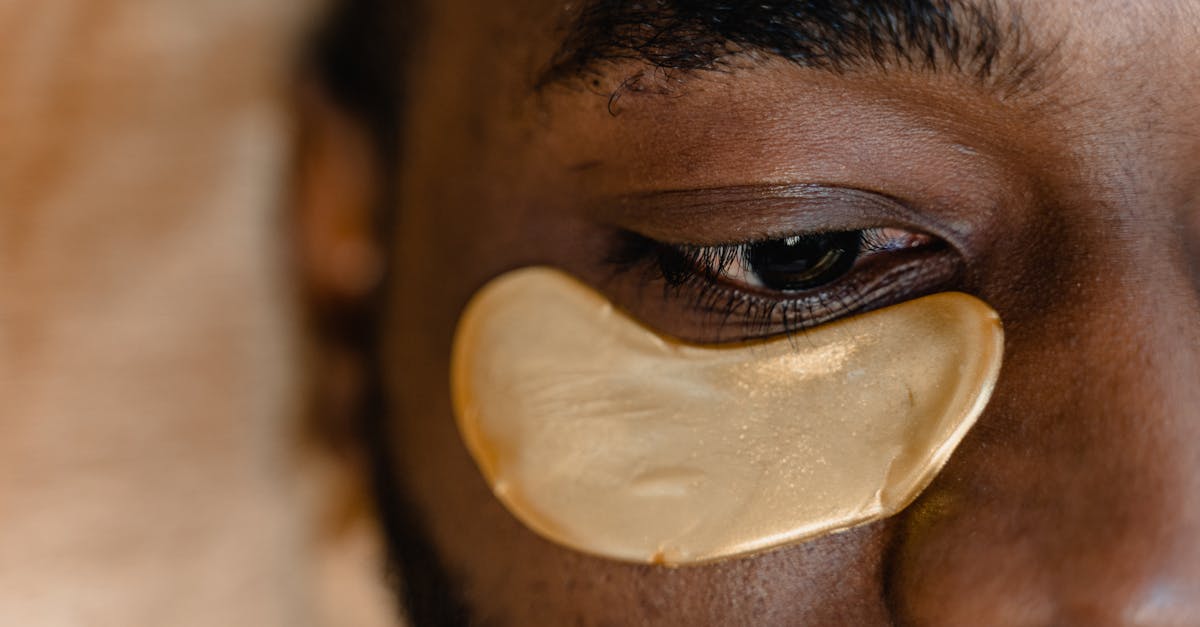 causes
 Dark Circles Under Eyes: Causes, Types, and Treatments That Match Your Type
Read Guide arrow_right_alt remedies
 How to Get Rid of Dark Circles: A Realistic Guide to Causes, Skincare, & Makeup
Read Guide arrow_right_alt remedies
 Natural Remedies for Dark Circles: What Actually Works
Read Guide arrow_right_alt causes
 Dark Circle Causes by Type: Vascular, Pigment, and Structural
Read Guide arrow_right_alt causes