When it comes to dark circles, not all natural remedies are created equal. While the internet is full of DIY “miracle cures,” only some are backed by actual science. Let’s separate fact from fiction and look at what research tells us about treating dark circles at home.
This page is the home-remedy sibling: what tea bags, cold, and diet can and cannot do. The complete guide is the overview. Causes and treatments by type matches the treatment to the type. How to get rid of dark circles is the action-and-makeup plan. All four URLs stay live. This is informational, not medical advice.
Science-Backed Natural Remedies
Cold Tea Bags
Verdict: Actually works!
Caffeinated tea bags (green or black tea) are one of the most effective home remedies. The caffeine constricts blood vessels, reducing the blue-purple appearance, while antioxidants like EGCG fight inflammation. A 2010 study in the Journal of Applied Pharmaceutical Sciences found that caffeine’s vasoconstrictive properties are measurable when applied topically.
How to use: Steep two tea bags for 3–5 minutes, then chill in the refrigerator for at least 30 minutes. Place over closed eyes for 15 minutes. For best results, use green tea bags, which contain the highest concentration of catechins and polyphenols, which double as anti-inflammatory agents.
Pro tip: Don’t squeeze the bags dry before applying. The residual moisture helps the active compounds absorb into the skin more effectively.

Cucumber Slices
Verdict: Partially effective
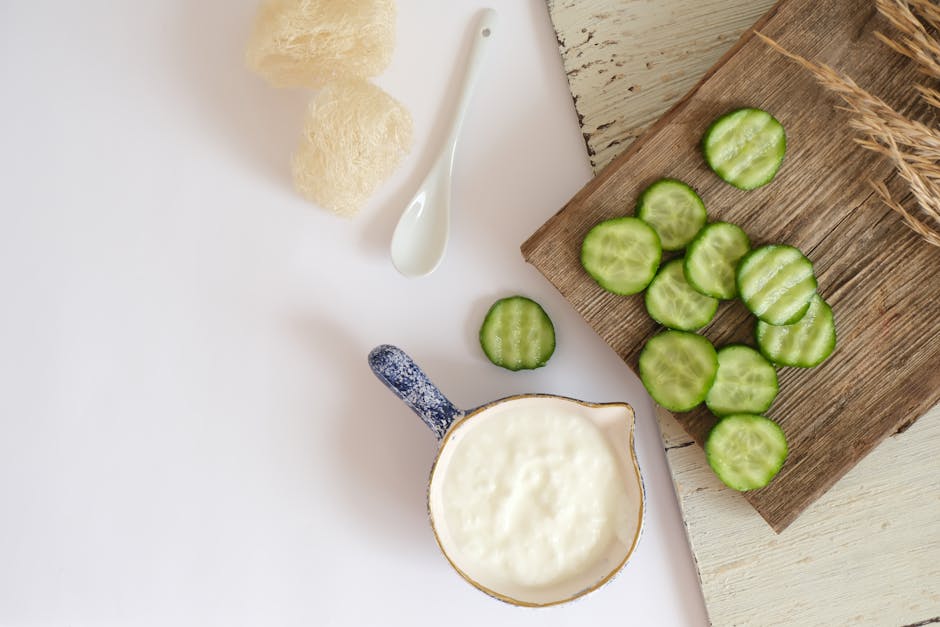
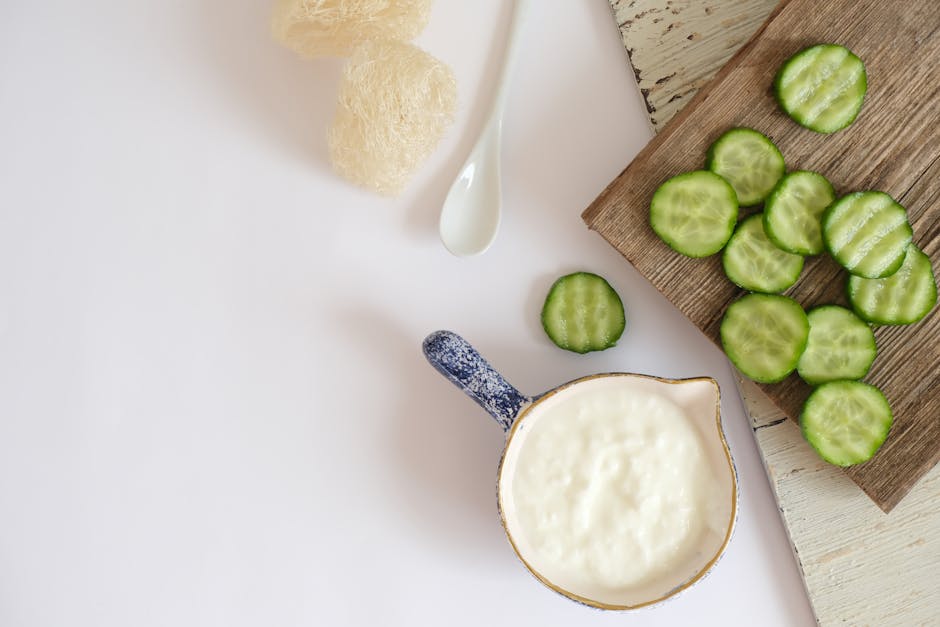
Cucumbers won’t cure dark circles, but their high water content (about 96%) and naturally cool temperature can reduce puffiness and temporarily brighten the under-eye area. They contain vitamin K and silica, which support skin health and capillary strength.
How to use: Cut two thick slices from a chilled cucumber and place them on closed eyes for 10–15 minutes. Replace with fresh slices halfway through if they warm up. For extra benefit, blend cucumber with a teaspoon of aloe vera gel and apply as a paste: the aloe adds anti-inflammatory and hydrating properties.
Cold Compress or Ice Roller
Verdict: Works for puffiness
Cold temperatures constrict blood vessels immediately, reducing both puffiness and the visible appearance of dark circles. The effect is temporary but noticeable, particularly useful before events or photos.
How to use: Wrap ice cubes in a clean, soft cloth and hold against each eye for 5–10 minutes. Alternatively, use a dedicated ice roller or chilled spoons. Avoid placing ice directly on skin, as this can cause frostbite on the thin periorbital tissue.
Timing matters: Morning application is most effective because fluid tends to pool under the eyes during sleep. Starting your day with 5 minutes of cold therapy can make a visible difference.
Adequate Sleep
Verdict: Essential
This isn’t just grandma’s advice, sleep deprivation is one of the top causes of dark circles. During sleep, your body repairs skin cells, improves circulation, and drains excess fluid from under-eye tissue. Chronic sleep loss leads to increased cortisol, which breaks down collagen and thins the already-delicate under-eye skin.
What the research says: A 2013 study in the journal Sleep found that sleep-deprived individuals were perceived as having more prominent dark circles, paler skin, and more droopy eyelids compared to when they were well-rested.
How to optimize: Aim for 7–9 hours per night and try sleeping with your head slightly improved on an extra pillow. This prevents fluid from accumulating around the eyes overnight. If you’re a side sleeper, consider switching sides periodically to avoid asymmetrical puffiness.
Rose Water
Verdict: Moderately effective
Rose water has mild anti-inflammatory and antioxidant properties that can soothe tired eyes and reduce irritation-related redness. While it won’t address deep pigmentation, it works well as a gentle daily toner for the eye area.
How to use: Soak two cotton pads in chilled rose water and place over closed eyes for 10 minutes. This works particularly well as part of an evening wind-down routine.
Almond Oil
Verdict: Helpful for dryness-related dark circles
Cold-pressed sweet almond oil contains vitamin E and retinol (vitamin A), both of which support skin repair and hydration. For dark circles caused by dryness or thinning skin, regular application can improve the skin’s barrier function and reduce the sunken appearance.
How to use: Apply a thin layer of cold-pressed almond oil under each eye before bed. Gently pat (don’t rub) with your ring finger to avoid tugging the skin. Consistent use over 4–6 weeks tends to show the best results.
Dietary Changes That Make a Difference
Iron-Rich Foods
Iron deficiency anemia is a common cause of dark circles, especially in women. When your iron levels drop, blood doesn’t carry oxygen as efficiently, which makes the thin skin under your eyes look darker. Include leafy greens, lentils, red meat, and fortified cereals in your diet. Pair iron-rich foods with vitamin C sources to boost absorption.
Vitamin C
Vitamin C strengthens blood vessel walls and boosts collagen production, helping to thicken the thin skin under your eyes. Eat citrus fruits, bell peppers, strawberries, and kiwi regularly. Just one medium orange provides about 70 mg, which is close to the recommended daily intake of 75–90 mg.
If home remedies alone are not enough, our best eye cream guide covers dermatologist-recommended products with real price comparisons. For the full picture of causes and treatments, see our complete dark circles guide.
Vitamin K
Often overlooked, vitamin K plays a key role in blood clotting and circulation. Studies suggest that topical vitamin K can reduce dark circles by improving capillary health. Dietary sources include kale, spinach, broccoli, and Brussels sprouts.
Omega-3 Fatty Acids
Found in salmon, walnuts, flaxseed, and chia seeds, omega-3s reduce systemic inflammation and support the delicate skin barrier under your eyes. Two servings of fatty fish per week is a good target.
Hydration
Dehydration makes dark circles worse by making the skin look dull and sunken, emphasizing the natural hollows around your eyes. Drink at least 8 glasses of water daily, and more if you exercise or consume caffeine. Herbal teas count toward your intake; caffeinated beverages have a mild diuretic effect.
Lifestyle Habits That Help
- Wear sunscreen daily, UV exposure increases melanin production around the eyes, worsening pigmentation. Use a broad-spectrum SPF 30+ sunscreen, even on cloudy days.
- Wear sunglasses, Physical sun protection prevents squinting (which deepens wrinkles) and blocks UV rays from reaching the periorbital area.
- Limit screen time, Prolonged screen exposure causes eye strain and fatigue, contributing to the “tired eyes” look that exaggerates dark circles.
- Avoid rubbing your eyes, Friction causes micro-inflammation and can worsen pigmentation over time, especially if you have sensitive or eczema-prone skin.
- Cut back on salt, Excess sodium causes fluid retention, which can make puffiness and shadowing under the eyes worse.
Remedies That Don’t Work
- Potato slices, No scientific evidence supports this popular claim, despite widespread anecdotal recommendations.
- Lemon juice, Too acidic for the delicate under-eye area; can cause chemical irritation, sensitivity, and even burns.
- Toothpaste, Never apply near your eyes; contains harsh chemicals (menthol, fluoride) that can cause contact dermatitis.
- Essential oils (undiluted), Too concentrated for under-eye skin and can cause allergic reactions or chemical burns. Even “gentle” oils like lavender should be diluted at a 1:20 ratio with a carrier oil.
When to See a Doctor
If your dark circles persist despite consistent lifestyle changes and home remedies, consider consulting a dermatologist. Persistent circles may indicate underlying conditions like thyroid disorders, allergies, or significant iron deficiency that require medical intervention. Professional treatments such as chemical peels, microneedling, or laser therapy can address structural and pigmentation-based dark circles that home remedies cannot fully resolve.
The Takeaway
Natural remedies can absolutely help improve dark circles, especially when combined with good sleep, hydration, and sun protection. The most effective approach is typically a combination strategy: cold compresses in the morning, dietary improvements throughout the day, and gentle topical treatments (like almond oil or rose water) at night. However, be realistic, genetic or structural dark circles may need professional treatment for significant improvement.
Sources
- Yoon, S. et al. (2013). “Beauty sleep: experimental study on the perceived health and attractiveness of sleep deprived people.” Sleep, 36(6), 1251–1258.
- Freitag, F. M. & Cestari, T. F. (2007). “What causes dark circles under the eyes?” Journal of Cosmetic Dermatology, 6(3), 211–215.
- Ahmadraji, F. & Shatalebi, M. A. (2015). “Evaluation of the clinical efficacy and safety of an eye counter pad containing caffeine and vitamin K.” Journal of Clinical & Aesthetic Dermatology, 8(7), 42–46.
- American Academy of Dermatology. (2024). “How to treat dark circles under your eyes.”
Related Guides
Get weekly eye care & beauty tips
Guides from the Eyeshadow Looks Beauty Desk. No spam, ever.
Frequently Asked Questions
Do tea bags really help dark circles?
Yes, chilled caffeinated tea bags (green or black tea) can temporarily reduce dark circles. The caffeine constricts blood vessels while the cold temperature reduces swelling. Apply for 10-15 minutes for best results.
Can diet help reduce dark circles?
A diet rich in iron, vitamin K, vitamin C, and omega-3 fatty acids supports healthy blood circulation and skin integrity, which can help reduce the appearance of dark circles over time.
Related Articles
 causes
 Dark Circles Under Eyes: The Complete Guide to Causes and Treatments
Read Guide arrow_right_alt causes
 Dark Circles Under Eyes: Causes, Types, and Treatments That Match Your Type
Read Guide arrow_right_alt remedies
 How to Get Rid of Dark Circles: A Realistic Guide to Causes, Skincare, & Makeup
Read Guide arrow_right_alt looks
looks Tired Eyes: Makeup Techniques to Brighten and Refresh
Read Guide arrow_right_alt causes
 Dark Circle Causes by Type: Vascular, Pigment, and Structural
Read Guide arrow_right_alt causes