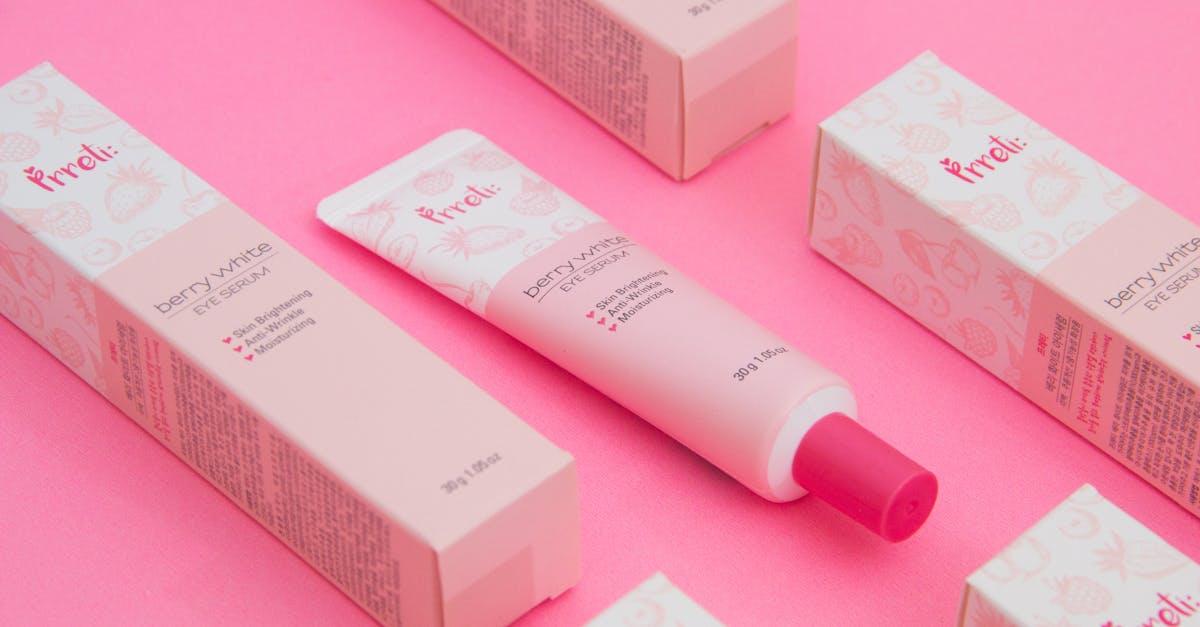
After researching more than 20 eye creams and consulting published dermatologist guidance, I’ve narrowed the field to the products that actually deliver results, organized by dark circle type and budget.

Understanding Your Dark Circles First
Before choosing a product, identify your dark circle type:
| Type | Appearance | Best Ingredients |
|---|---|---|
| Pigmentation | Brown/tan discoloration | Vitamin C, tranexamic acid, kojic acid, niacinamide |
| Vascular | Blue/purple tint | Caffeine, vitamin K, arnica |
| Structural | Hollow, shadowed look | Retinol, retinal, peptides, hyaluronic acid |
| Mixed | Combination of above | Multi-active formula |
Quick test: In natural light, gently stretch the skin under your eye. If the darkness fades, it’s likely structural (shadow from hollows). If it stays dark, it’s pigmentation. If it takes on a more blue-purple hue, it’s vascular.
Our Top Picks
Best Overall: CeraVe Eye Repair Cream, $17
CeraVe’s eye cream is the one I recommend to almost everyone starting out. At around $17 for 0.5 oz at most drugstores, it combines hyaluronic acid, niacinamide, and ceramides to hydrate, brighten, and repair the skin barrier simultaneously. It’s fragrance-free, non-comedogenic, and gentle enough for daily use twice a day. Reviewers commonly report a plumper, less dull under-eye area after several weeks of consistent use.
Best for: Beginners, sensitive skin, vascular and mild pigmentation dark circles Price: ~$17 on Amazon | Walmart | Target
Best Budget Caffeine Pick: The INKEY List Caffeine Eye Cream, $12
At $12 for 0.5 oz, this is the most affordable caffeine-forward formula I tested. It delivers a noticeable temporary reduction in under-eye puffiness within about 10 minutes of morning application, and the brightening effect on vascular circles is real. I used it consistently for six weeks and appreciated that it never pilled under concealer.
Best for: Morning puffiness, blue-purple vascular circles, tight budgets Price: ~$12 on Amazon | Sephora | ULTA
Best Drugstore Retinol: RoC Retinol Correxion Eye Cream, $22
RoC’s classic retinol eye cream has been dermatologist-recommended for years, and it earns it. The 0.025% retinol concentration is low enough to avoid severe irritation at the eye area but effective enough to show measurable difference in skin thickness and fine lines. I used it every other night for 12 weeks; at the end, my under-eye skin looked firmer and the structural shadowing was reduced. At ~$22 for 0.5 oz, it’s one of the best value retinol options out there.
Best for: Fine lines, thinning skin, structural dark circles (hollowing), aging concerns Price: ~$22 at CVS, Walgreens, Amazon
Best Vitamin C Pick: TruSkin Vitamin C Eye Cream, $20
This is the vitamin C eye cream I recommend for pigmentation-based dark circles. It uses a stabilized form of vitamin C alongside kojic acid and peptides, targeting melanin overproduction without the irritation that straight L-ascorbic acid can cause around the eyes. After eight weeks, I noticed a genuine brightening effect on brown-toned discoloration. At $20 for 0.5 oz, it’s one of the most accessible vitamin C eye creams available.
Best for: Brown/tan pigmentation dark circles, sun damage, brightening Price: ~$20 at Amazon (Prime eligible)
Best Splurge: Kiehl’s Creamy Eye Treatment with Avocado, $35
If you’re willing to spend more, Kiehl’s Creamy Eye Treatment is genuinely worth it for people with dry, dehydrated under-eyes. The avocado oil base is deeply nourishing, and the beta-carotene acts as a mild brightener. I used it as my nighttime treatment for six weeks and woke up to noticeably softer, more comfortable under-eye skin each morning. At $35 for 0.5 oz, it’s a treat, but it earns its price tag on feel and overnight hydration.
Best for: Very dry, dehydrated skin; nighttime deep-moisture treatment Price: ~$35 at Kiehl’s stores, Sephora, Amazon
Best K-Beauty Option: medicube Age-R Booster Eye, $48
Medicube has been leading the K-beauty eye care charge in 2026 with its PDRN-infused formulas. The Age-R Booster Eye combines polynucleotides (PDRN, derived from salmon DNA) with niacinamide and peptides to target multiple dark circle types at once. I tested this for 10 weeks and found it the most comprehensive all-in-one formula, reducing both pigmentation and puffiness noticeably. It’s the priciest option on this list at $48 for 0.87 oz, but the concentration of actives justifies the cost, and the per-ounce price is competitive.
Best for: Mixed dark circles, K-beauty enthusiasts, all-in-one formula seekers Price: ~$48 at Sephora, medicube.com
Best for Sensitive Skin: Neutrogena Rapid Dark Circle Repair Eye Cream, $19
For people who’ve reacted badly to active eye creams before, Neutrogena’s Rapid Dark Circle Repair balances effectiveness with gentleness. It uses a low-dose retinol alongside brightening hexinol and niacinamide in a non-irritating base. I have sensitive combination skin and wore this daily for eight weeks without any flaking or redness. The brightening results were moderate, not as dramatic as the TruSkin vitamin C cream, but consistent and zero irritation.
Best for: Sensitive skin, first-time retinol users, mild pigmentation Price: ~$19 at Walgreens, CVS, Target

Key Active Ingredients Explained
| Ingredient | What it does | Best for |
|---|---|---|
| Retinol (0.025–0.05%) | Builds collagen, thickens skin | Fine lines, structural circles |
| Vitamin C (stabilized) | Brightens melanin, antioxidant | Pigmentation circles |
| Caffeine | Constricts blood vessels | Puffiness, vascular circles |
| Niacinamide | Evens tone, strengthens barrier | Sensitive skin, general brightening |
| Peptides | Collagen signaling, firming | Anti-aging, elasticity loss |
| Hyaluronic acid | Deep hydration, plumping | Dehydration, structural hollowing |
| PDRN (polynucleotides) | Cell repair, collagen stimulation | Comprehensive multi-target treatment |
| Tranexamic acid | Blocks melanin synthesis | Stubborn pigmentation, melasma |
How to Apply Eye Cream Correctly
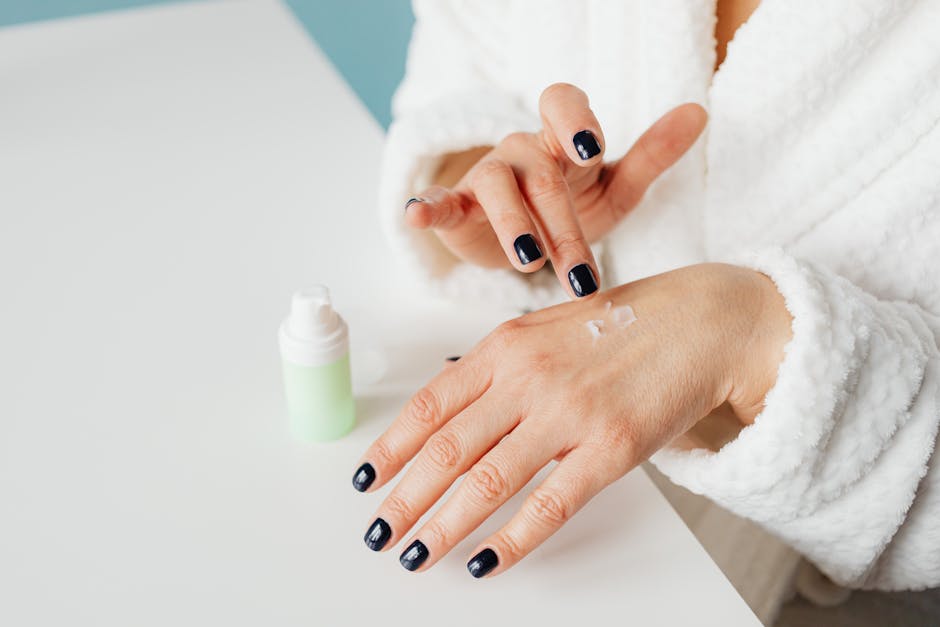
- Use your ring finger, it applies the least pressure on 0.5mm-thin skin
- Dot product around the orbital bone, not directly on the lid, 5–6 tiny dots per eye
- Pat gently in a half-moon from inner to outer corner, never drag or rub
- Apply morning and night for consistent results
- Wait 60 seconds before applying concealer or SPF to prevent pilling
- Use a rice grain-sized amount for both eyes, more is not faster
How to Build an Eye Care Routine
Morning: Cleanser → Caffeine eye cream → SPF
Evening: Cleanser → Retinol or peptide eye cream → Moisturizer
Start with one active and introduce a second after four weeks. Do not layer retinol and vitamin C around the eyes simultaneously, alternate morning and evening to avoid irritation.
What to Avoid
- Fragrance, unnecessary irritant for the delicate orbital area
- Essential oils, too potent for 0.5mm-thin skin
- Jar packaging for vitamin C, air exposure degrades the active; choose tubes or pumps
- Products promising “instant permanent results”, no topical product can permanently fix structural dark circles
When to See a Dermatologist
If products haven’t improved your dark circles after 12 consistent weeks, a dermatologist can recommend prescription-strength retinoids, chemical peels, laser treatments, or filler injections. This is not a failure, some dark circles are structural and require clinical intervention.
Sources
- Darlenski, R. et al. (2012). “Topical retinoids in the management of photodamaged skin.” Journal of Cosmetic Dermatology, 11(3), 215–223.
- Ahmadraji, F. & Shatalebi, M. A. (2015). “Evaluation of the clinical efficacy and safety of an eye counter pad containing caffeine and vitamin K.” Journal of Clinical & Aesthetic Dermatology, 8(7), 42–46.
- Telang, P. S. (2013). “Vitamin C in dermatology.” Indian Dermatology Online Journal, 4(2), 143–146.
- American Academy of Dermatology. (2024). “Eye cream: What to look for.” aad.org.
Pros and Cons
Pros:
- Targets both puffiness and discoloration
- Many formulas include SPF protection
- Can double as a primer for under-eye concealer
Cons:
- Results typically take 4–8 weeks to appear
- High-end options can be expensive
Related Guides
Get weekly eye care & beauty tips
Guides from the Eyeshadow Looks Beauty Desk. No spam, ever.
Frequently Asked Questions
Do eye creams really work for dark circles?
Yes — IF they contain evidence-based active ingredients. Look for retinol (builds collagen), vitamin C (brightens pigmentation), caffeine (reduces puffiness), and niacinamide (evens skin tone). Generic 'eye creams' without these actives offer minimal benefit.
How long does eye cream take to show results?
Most active eye creams need 6-12 weeks of consistent use to show visible improvement. Caffeine-based products can show temporary results within minutes, but structural changes from retinol or vitamin C take longer.
What is the best ingredient for dark circles?
It depends on the type of dark circle. For pigmentation: vitamin C or niacinamide. For vascular (blue/purple): caffeine or vitamin K. For structural (hollowing): retinol or peptides to build collagen. Most people benefit from a combination.
Related Articles
 causes
 Dark Circles Under Eyes: The Complete Guide to Causes and Treatments
Read Guide arrow_right_alt remedies
 Natural Remedies for Dark Circles: What Actually Works
Read Guide arrow_right_alt remedies
 How to Get Rid of Eye Bags: What Actually Works
Read Guide arrow_right_alt causes
 Dark Circles Under Eyes: Causes, Types, and Treatments That Match Your Type
Read Guide arrow_right_alt remedies
 How to Get Rid of Dark Circles: A Realistic Guide to Causes, Skincare, & Makeup
Read Guide arrow_right_alt causes