
Dark circles under the eyes are one of the most common skin concerns worldwide, affecting people of all ages and skin types. While they’re rarely a sign of a serious medical condition, they can make you look tired, older, and less rich than you feel.
This page is the overview: causes plus treatment options in one place. Type-matching lives on causes and treatments by type. A realistic action plan lives on how to get rid of dark circles. Home remedies stay on natural remedies for dark circles. All four URLs stay live. This is informational, not medical advice.
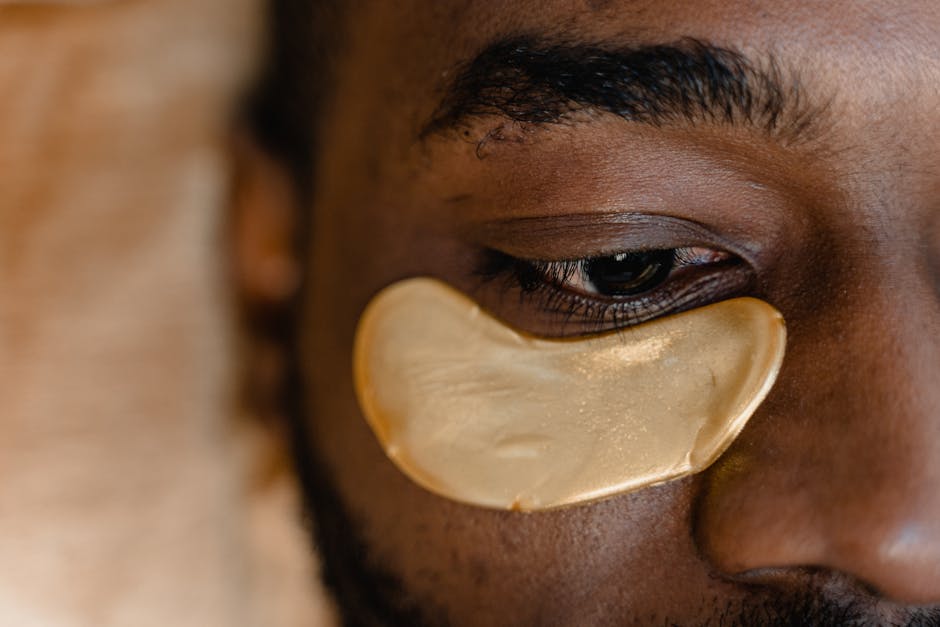
What Causes Dark Circles?
Understanding the root cause of your dark circles is the first step toward effective treatment. Here are the most common factors:
1. Genetics and Heredity
For many people, dark circles run in the family. Periorbital hyperpigmentation (the medical term for dark circles) is often inherited and can appear as early as childhood. If your parents had dark circles, there’s a strong chance you will too. Certain ethnic backgrounds, particularly South Asian, Southeast Asian, and African descent, are more prone to under-eye hyperpigmentation.
2. Thin Under-Eye Skin
The skin beneath your eyes is the thinnest on your entire body, only about 0.5mm thick compared to 2mm on most of your face. This means the underlying blood vessels and muscle are more visible, creating a dark or purple appearance. This is also why dark circles tend to worsen with age as the skin continues to thin.
3. Sleep Deprivation
Lack of quality sleep causes your skin to become paler, making the dark blood vessels beneath more obvious. It can also lead to fluid buildup, causing puffiness that casts shadows. Research published in the journal Sleep found that sleep-deprived individuals were consistently perceived as having more prominent dark circles.
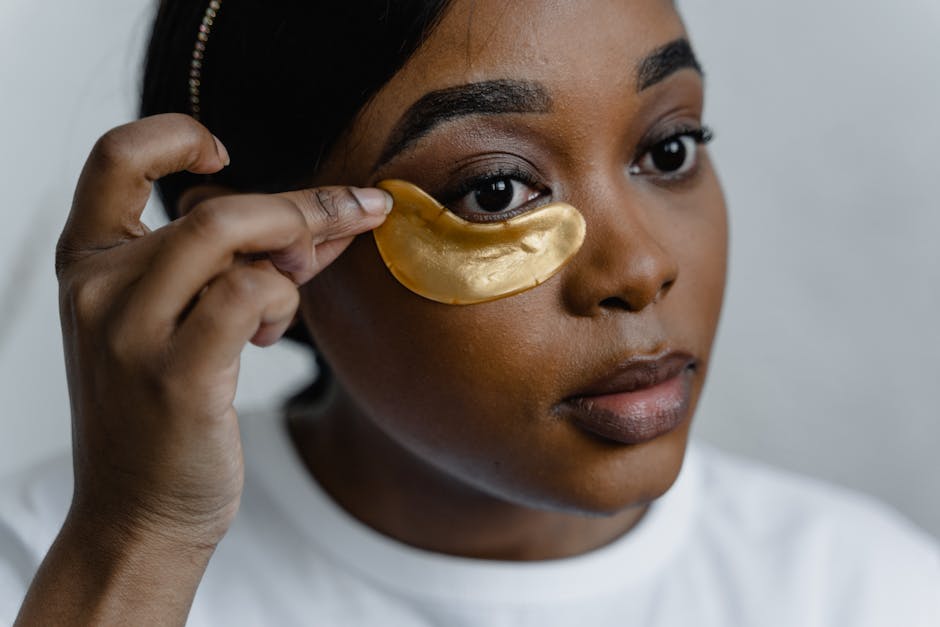
4. Aging
As we age, we naturally lose collagen and fat beneath the eyes. This thinning effect makes the reddish-blue blood vessels increasingly visible. The orbital bone also becomes more prominent, creating deeper hollows that accentuate shadowing. Most people notice a significant change in their under-eye area beginning in their mid-30s.
5. Allergies and Nasal Congestion
Allergic reactions trigger histamine release, which can dilate blood vessels under the eyes. Frequent rubbing from itchy eyes can also darken the area through friction-induced pigmentation, a condition dermatologists call post-inflammatory hyperpigmentation. Seasonal allergies and chronic conditions like eczema can make this worse.
6. Sun Exposure
UV radiation stimulates melanin production in the under-eye area, leading to visible darkening. Because the periorbital skin is so thin, even brief unprotected sun exposure can trigger noticeable pigmentation changes. This is one of the most preventable causes of dark circles.

7. Dehydration and Diet
When your body is dehydrated, the skin around your eyes can look dull and sunken, making the underlying structures more visible. A diet lacking in iron, vitamin K, or vitamin C can also contribute to poor circulation and weaker blood vessel walls, exacerbating the issue.
Proven Treatments for Dark Circles
At-Home Remedies
- Cold compresses, Constrict blood vessels and reduce puffiness immediately
- Quality sleep, Aim for 7–9 hours on an improved pillow to prevent fluid pooling
- Hydration, Drink at least 8 glasses of water daily
- Sun protection, UV exposure worsens hyperpigmentation; wear SPF 30+ daily
- Cool tea bags, Caffeinated tea bags provide caffeine (vasoconstriction) plus antioxidants
- Reduced sodium, High salt intake promotes fluid retention and under-eye swelling
Topical Treatments
The most effective ingredients backed by dermatological research:
- Retinol, Boosts collagen production and thickens thin skin over 8–12 weeks
- Retinal (retinaldehyde), Works faster than retinol with fewer conversion steps; new encapsulated versions are gentler on sensitive skin
- Vitamin C, Brightens pigmentation and provides antioxidant protection against further damage
- Caffeine, Constricts blood vessels and reduces puffiness within minutes of application
- Niacinamide, Evens skin tone and strengthens the skin barrier; well-tolerated by sensitive skin
- Tranexamic acid, Blocks melanin synthesis to lighten dark spots and prevent new pigmentation (rising star in 2026)
- Bakuchiol, Plant-based retinol alternative with similar anti-wrinkle benefits; suitable for sensitive skin
- Vitamin K, May help reduce the appearance of blood vessels beneath thin skin
Professional Treatments
For persistent dark circles, consult a dermatologist about:
- Chemical peels, Reduce melanin deposits in the under-eye area with targeted acids
- Laser therapy, Targets pigmentation and stimulates collagen (picosecond lasers for pigmented circles, vascular lasers for blue/purple)
- Restylane Eyelight, FDA-approved hyaluronic acid filler designed specifically for under-eye hollows, with reduced swelling risk
- RF microneedling (Virtue RF, Morpheus8), Combines microneedling with radiofrequency to tighten skin and stimulate collagen; results last 1-2 years
- Polynucleotides (PDRN), Emerging injectable biostimulator derived from salmon DNA that prompts cells to repair themselves and produce collagen
- PRP/PRF therapy, Uses your own platelets and fibrin to rejuvenate the skin naturally
- Exosome treatments, Cellular messengers combined with microneedling to deliver growth signals for skin rejuvenation
Prevention Strategies
While you can’t change your genetics, you can minimize the factors that make dark circles worse:
- Apply sunscreen daily, Use a mineral or hybrid SPF 30+ around the eyes; physical sunscreens (zinc oxide, titanium dioxide) are gentler on this area.
- Wear UV-blocking sunglasses, Look for lenses with UV400 protection to shield the periorbital area from sun damage.
- Manage allergies proactively, Take antihistamines before allergy season ramps up; don’t wait until symptoms are severe.
- Stay hydrated, Aim for 2 liters of water daily, more if you exercise or live in a dry climate.
- Limit alcohol and caffeine, Both are diuretics that contribute to dehydration, which emphasizes under-eye hollows.
- Sleep on your back, Side sleeping puts pressure on one side of your face and can increase fluid retention under the eyes.
- Eat a nutrient-dense diet, Focus on iron-rich foods, leafy greens (vitamin K), citrus (vitamin C), and fatty fish (omega-3s).
When to See a Doctor
While dark circles are usually cosmetic, see a doctor if you notice:
- Dark circles only under one eye
- Swelling that gets progressively worse
- Dark circles accompanied by other unusual symptoms
- Sudden onset after starting a new medication
- Significant changes in skin texture or color around the eyes
The Bottom Line
Dark circles are incredibly common and usually harmless. With the right approach, combining lifestyle changes, quality skincare products, and professional treatments when needed, most people can significantly improve their appearance. The key is consistency and patience, as most treatments take 4–8 weeks to show visible results. Start with the least invasive options (sleep, hydration, sunscreen) and work your way up to actives and professional treatments if needed.
For targeted product recommendations, see our best eye cream picks. If you prefer drug-free approaches, explore our natural remedies guide.
Sources
- Freitag, F. M. & Cestari, T. F. (2007). “What causes dark circles under the eyes?” Journal of Cosmetic Dermatology, 6(3), 211–215.
- Sheth, P. B. et al. (2014). “Periorbital hyperpigmentation: a study of its prevalence, common causative factors and its association with personal habits and other disorders.” Indian Journal of Dermatology, 59(2), 151–157.
- Sarkar, R. et al. (2016). “Periorbital hyperpigmentation: A comprehensive review.” Journal of Cosmetic Dermatology, 15(3), 188–194.
- American Academy of Dermatology. (2024). “How to treat dark circles under your eyes.”
Related Guides
- Natural Remedies for Dark Circles: What Actually Works
- Tired Eyes Solutions: From Quick Fixes to Long-Term Relief
- Best Eye Creams for Dark Circles: Dermatologist-Recommended Picks
- How to Get Rid of Eye Bags: Proven Methods That Actually Work
- Dark Circle Types: A Visual Guide
- Dark Circles in Men: Causes and Treatments
- How to Get Rid of Eye Bags
Get weekly eye care & beauty tips
Guides from the Eyeshadow Looks Beauty Desk. No spam, ever.
Frequently Asked Questions
What is the main cause of dark circles under the eyes?
Dark circles are most commonly caused by a combination of genetics, thin under-eye skin, and visible blood vessels. Factors like sleep deprivation, allergies, dehydration, and aging can make them more pronounced.
Can dark circles go away permanently?
While genetic dark circles may not disappear entirely, they can be significantly reduced with consistent treatment. Options range from topical retinol and vitamin C serums to professional treatments like chemical peels and laser therapy.
Do eye creams actually work for dark circles?
Yes, evidence-based eye creams containing ingredients like retinol, vitamin C, caffeine, niacinamide, or hyaluronic acid can improve the appearance of dark circles over time with consistent use.
Related Articles
 causes
 Dark Circles Under Eyes: Causes, Types, and Treatments That Match Your Type
Read Guide arrow_right_alt remedies
 How to Get Rid of Dark Circles: A Realistic Guide to Causes, Skincare, & Makeup
Read Guide arrow_right_alt remedies
 Natural Remedies for Dark Circles: What Actually Works
Read Guide arrow_right_alt looks
looks Tired Eyes: Makeup Techniques to Brighten and Refresh
Read Guide arrow_right_alt causes
 Dark Circle Causes by Type: Vascular, Pigment, and Structural
Read Guide arrow_right_alt causes