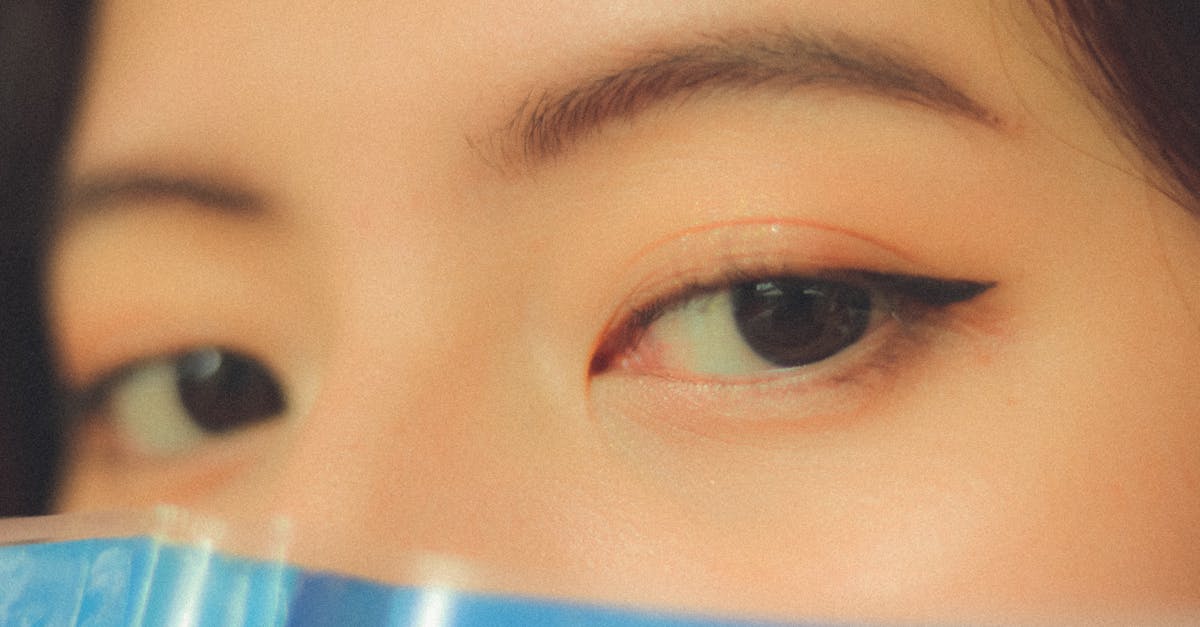
When your immune system overreacts to pollen, pet dander, dust mites, or mold, the eyes are often the first place you notice. Swelling, itching, watering, and redness can hit within minutes of exposure and linger for hours or even days during peak allergy season.
The under-eye area reacts so strongly because the skin there is the thinnest on the body and the tissue beneath it is loose and spongy, making it quick to absorb excess fluid. Understanding why allergy-related swelling happens and how to treat it puts you in a much better position to manage it.
How Allergies Cause Eye Swelling
The process starts when an allergen lands on the surface of the eye or enters the nasal passages. Your immune system identifies it as a threat and signals mast cells in the conjunctiva (the membrane covering the white of the eye and inside of the eyelids) to release histamine.
Histamine triggers a cascade of reactions: blood vessels in the eye area dilate, allowing more blood flow to the region. The walls of those dilated vessels become more permeable, letting fluid leak into the surrounding tissue. The result is the puffy, swollen appearance around the eyes, often accompanied by itching, tearing, and redness.
This is technically called allergic conjunctivitis, and it affects an estimated 20 to 40 percent of the population in developed countries, according to the American College of Allergy, Asthma, and Immunology.
Common Triggers
Knowing what sets off your eyes is the most effective long-term strategy for prevention.
Pollen from trees, grasses, and weeds is the most common seasonal trigger. Tree pollen peaks in spring, grass pollen in late spring and early summer, and weed pollen (especially ragweed) in late summer and fall.
Dust mites are a year-round trigger. These microscopic organisms thrive in bedding, upholstered furniture, and carpeting. They are one of the main reasons some people wake up with swollen eyes every morning regardless of the season.
Pet dander from cats and dogs contains proteins that trigger histamine release in sensitive individuals. Cat dander is particularly potent because the protein particles are small and lightweight, staying airborne for hours.
Mold spores are common triggers both indoors (in damp bathrooms and basements) and outdoors (in leaf piles and damp soil).
Cosmetics and fragrances can cause contact allergic reactions directly on the eyelid skin. Preservatives in eye creams, mascaras, and eyeliners are frequent culprits. Unlike airborne allergens, contact reactions produce swelling primarily on the lids themselves rather than under the eyes.
Quick Relief Options
When your eyes are already swollen and uncomfortable, these treatments provide the fastest relief.
Cold Compresses
Applying cold to the eye area constricts the dilated blood vessels and slows the leaking of fluid into the surrounding tissue. Use a clean washcloth soaked in cold water, chilled cucumber slices, or a gel eye mask stored in the refrigerator. Hold it gently against closed eyes for 10 to 15 minutes.
This is the safest, most immediately effective treatment you can do at home. Many allergists recommend it as the first step before reaching for any medication.
Antihistamine Eye Drops
These drops block histamine at the site of the reaction, providing targeted relief within minutes. Over-the-counter options containing ketotifen (such as Alaway or Zaditor) are widely available and effective. Olopatadine (Pataday) is another common choice.
Many of these drops combine an antihistamine with a mast cell stabilizer, which means they provide both immediate relief and preventive protection against future histamine release. Using them before known allergen exposure (such as before going outdoors during pollen season) makes them even more effective.
Oral Antihistamines
Non-drowsy oral antihistamines like cetirizine (Zyrtec), loratadine (Claritin), and fexofenadine (Allegra) reduce the overall allergic response throughout the body, including the eyes. They take 30 to 60 minutes to kick in but provide protection for 12 to 24 hours.
One caveat: oral antihistamines can cause mild eye dryness as a side effect, which may provide incomplete relief for some people. Combining an oral antihistamine for systemic relief with lubricating eye drops for surface comfort often works better than either alone.
Artificial Tears
Preservative-free artificial tears serve a dual purpose. They rinse allergens off the eye surface and provide soothing moisture. Refrigerating them before use adds a cooling effect. These are safe to use multiple times daily and can be alternated with antihistamine drops.
Avoid Rubbing
This is harder than it sounds when your eyes itch intensely, but rubbing actually worsens swelling. The mechanical pressure breaks fragile blood vessels and triggers more histamine release, creating a cycle of worsening irritation and puffiness. Cold compresses and antihistamine drops address the itch more effectively.
Long-Term Prevention
Managing allergic eye swelling over weeks and months requires reducing allergen exposure and building a treatment routine.
Indoor Environment
Wash pillowcases and sheets weekly in hot water (at least 130 degrees Fahrenheit) to kill dust mites. Use pillow and mattress covers rated for allergen protection. Remove carpeting from bedrooms if possible, or vacuum weekly with a HEPA-filter vacuum.
Run a HEPA air purifier in the bedroom, especially during sleep. Indoor air can contain pollen, pet dander, and dust mite particles that accumulate throughout the day.
Keep windows closed during high pollen days. Pollen counts are typically highest in the morning and on warm, dry, windy days. Many weather apps and websites provide daily pollen forecasts for your area.
Outdoor Protection
Wear wraparound sunglasses when spending time outside during allergy season. They create a physical barrier between airborne pollen and your eyes.
Shower and change clothes after extended time outdoors to remove pollen from your hair, skin, and clothing before it spreads through your home.
Avoid hanging laundry outside to dry during high pollen periods. Fabrics act like pollen magnets.
Cosmetics
If you suspect your eye products are causing contact reactions, switch to hypoallergenic, fragrance-free formulas and introduce new products one at a time to identify the culprit. Ophthalmologist-tested and preservative-free products are generally safer for reactive eyes.
Replace mascara and liquid eyeliner every three months to prevent bacterial growth. Old cosmetics can compound allergic irritation with low-grade infection.
Medication Routine
If your allergies are seasonal and predictable, starting antihistamine treatment one to two weeks before your typical allergen season begins provides better protection than waiting for symptoms to hit. This preemptive approach keeps histamine levels lower from the start, preventing the cycle of swelling and inflammation from gaining momentum.
For year-round allergies, daily antihistamine use combined with regular use of mast cell stabilizer eye drops provides consistent protection.
Prescription Options
When over-the-counter treatments are not enough, an allergist or ophthalmologist can offer stronger options.
Corticosteroid eye drops are powerful anti-inflammatories that reduce severe swelling quickly. They are typically prescribed for short courses (one to two weeks) because long-term use carries risks including increased eye pressure and cataracts.
Immunotherapy (allergy shots or sublingual tablets) trains your immune system to tolerate specific allergens over time. The process takes months to years but can provide lasting improvement or even resolution of allergic eye symptoms.
NSAID (non-steroidal anti-inflammatory) eye drops provide anti-inflammatory relief without the risks associated with steroids. They can sting on application but are effective for managing itch and swelling.
When to See a Doctor
Most allergy-related eye swelling can be managed at home, but certain symptoms warrant professional evaluation:
- Swelling that affects only one eye (allergies typically affect both)
- Pain in or around the eye
- Changes in vision
- Discharge that is yellow, green, or crusty (suggesting infection rather than allergy)
- Severe swelling that does not improve with antihistamine treatment within 48 hours
- Swelling accompanied by difficulty breathing or widespread hives (which could indicate a severe allergic reaction)
Frequently Asked Questions
Can allergies cause permanent eye damage?
Standard allergic conjunctivitis does not cause permanent damage. However, severe, chronic allergic eye disease (a condition called atopic keratoconjunctivitis) can affect the cornea over time if left untreated. This is uncommon and typically occurs in people with significant eczema or other atopic conditions.
Why are my eyes worse in the morning during allergy season?
Pollen counts are often highest between 5 and 10 a.m. If your bedroom window is open or if pollen has accumulated on your bedding, you are exposed to peak allergen levels while you sleep. Also, lying flat overnight allows histamine-driven fluid to pool in the under-eye area.
Can children use antihistamine eye drops?
Some over-the-counter antihistamine eye drops are approved for children ages three and older. However, you should consult your pediatrician before starting any eye drop regimen for a child, as dosing and product selection may differ from adult recommendations.
Sources
- American College of Allergy, Asthma, and Immunology. (2025). “Eye Allergy: Treatment and Management.” acaai.org.
- Mayo Clinic. (2025). “Eye Allergies: Causes and Treatments.” mayoclinic.org.
- Medical News Today. (2025). “How to Treat Swollen Eyes from Allergies.” medicalnewstoday.com.
- Everyday Health. (2025). “Eye Allergy Remedies.” everydayhealth.com.
Related Guides
Get weekly eye care & beauty tips
Guides from the Eyeshadow Looks Beauty Desk. No spam, ever.
Related Articles
 causes
 Dark Circles Under Eyes: The Complete Guide to Causes and Treatments
Read Guide arrow_right_alt causes
 Dark Circles Under Eyes: Causes, Types, and Treatments That Match Your Type
Read Guide arrow_right_alt remedies
 How to Get Rid of Dark Circles: A Realistic Guide to Causes, Skincare, & Makeup
Read Guide arrow_right_alt remedies
 Natural Remedies for Dark Circles: What Actually Works
Read Guide arrow_right_alt causes
 Dark Circle Causes by Type: Vascular, Pigment, and Structural
Read Guide arrow_right_alt causes