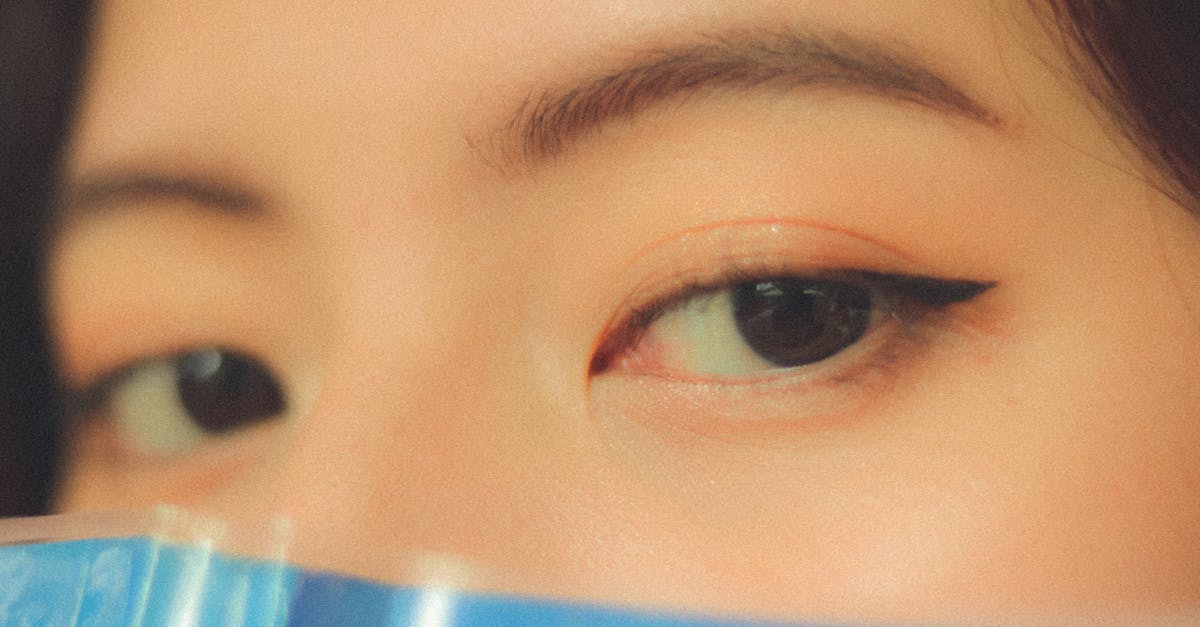
Eye shape and eye color are two different problems, and most eyeshadow advice smears them together. A palette chosen for hazel color can still fail on a hooded lid because the placement disappeared into the fold. A placement map built for hooded eyes can still miss because the shades do nothing for green-and-gold flecks.
This guide separates the two decisions. First, figure out what your lid actually does when your eyes are open. Second, pick shades that do the color work hazel eyes reward. If your lids are almond rather than hooded, the placement half gets easier, not harder.
The Eyeshadow Looks Beauty Desk writes from manufacturer shade descriptions, published formula reviews, and color-theory basics — this is desk research, not a hands-on wear test. For deeper placement work, the hooded eyes placement guide and the open-eye application walkthrough in how to apply eyeshadow for hooded eyes stay the canonical technique pages. This page is the chooser’s map between shapes.
Figure out your lid type first
Look straight into a mirror, eyes open, relaxed. What can you see of the mobile lid — the skin between your lash line and your crease?
- Hooded lids: little or none of it. A fold of skin hangs over the crease, and the visible lid is a narrow strip or disappears entirely. Shadow placed where the crease “should” be vanishes when you open your eyes.
- Almond lids: a balanced visible lid with a naturally defined crease that stays put when the eye is open. Most placement diagrams are drawn for this lid.
- Deep-set or monolid variants: the eye sits further back in the socket, or the lid has no defined crease at all. Those have their own pages — deep set eyes makeup and the monolid makeup tutorial.
Many people have hazel eyes and hooded lids at the same time. Eye color and lid type are independent traits. The fastest self-test: if you can see your crease with eyes open, you do not have a significant hood.
What hazel eyes actually are
Hazel is not one color. It is a mix — typically a brown-to-amber base ringed or flecked with green and gold, and the balance shifts with surrounding color and light. That instability is the whole opportunity: eyeshadow does not “match” hazel, it votes on which flecks win.
Two families do most of the work:
- Contrast family — plums, mauves, burgundy, red-browns. Sitting opposite green-gold on the color wheel, these make the eye read greener. This is the classic hazel move and the reason plum palettes get tagged “for hazel eyes” on every listing.
- Echo family — golds, warm bronzes, coppers, caramels. These repeat the golden flecks already in the eye and push hazel toward warm amber. Lower contrast, more daytime-safe.
Neutrals — taupes, soft grays, muted browns — mostly stay out of the vote and just give the eye structure. The full color logic, shade by shade, lives in best eyeshadow colors for hazel eyes.
One more variable decides which family wins: which hazel you actually have. Check your eyes in daylight, near a window, with no makeup on.
- Green-dominant hazel (the iris reads moss or sage from a distance): the echo family is your everyday register — golds and bronzes keep the green warm and visible. Save plum for the days you want the color to flip dramatic.
- Brown-dominant hazel (reads amber or light brown, green only up close): you have more room. Contrast shades do the visible work here — plum and burgundy create the green pop that the eye alone does not deliver.
- Gold-flecked hazel (bright metallic flecks in a darker base): echo shades pick up the flecks best; a champagne lid shade can make the whole eye read amber without any dark shade at all.
Undertone adds a final filter. Warm skin tones generally carry golden bronzes and caramels more naturally; cool and olive tones tend to look better in mauve and burgundy contrast. The shade family still votes on the eye first — the undertone just decides which version of the family flatters the rest of the face.
Placement map: hooded lids
The rule that changes everything on a hooded lid: place your transition and crease shades above the natural fold, and draw them with your eyes open. Work with the eye closed and you will paint a line that tucks under the hood the moment you look up.
A workable open-eye map, three shades:
- Transition shade (matte taupe or soft caramel) — stipple starting above the fold, then blend upward. On a hooded lid the “crease color” lives on the fold itself, not under it.
- Lid shade (satin bronze or muted gold) — tap onto the narrow visible strip with a flat brush or a fingertip. A dense pat-on beats a sweep here; there is little lid real estate and sweeping drags color into the fold.
- Define shade (deep brown or plum) — press into the outer corner and outer third of the fold line with the eye open, then soften. This is what keeps the look from going flat when the lid disappears.
Hooded lids also crease faster — the fold is physically pressing into the shadow all day. A thin, well-set primer matters more here than any palette upgrade; the oily-lid primer ranking covers which bases hold. Powder shadows set flatter than creams on this lid type, which is exactly the tradeoff the cream vs powder vs liquid comparison breaks down.
Placement map: almond eyes with hazel color
If your crease stays visible, standard structure works: transition in the crease, lid shade on the mobile lid, define the outer V, highlight the inner corner and brow bone. The almond eyes makeup guide covers the full technique set.
For hazel color on an almond lid, the highest-leverage move is putting the contrast shade in the crease rather than on the lid. A plum or burgundy crease over a champagne or gold lid shade gives both fleck families something to react to — green pops against the purple depth while gold echoes the lid.
Palette picks by price band
Beauty Desk listing check: price and shade-count references below come from current Amazon listings and published reviews, not a lab test fleet. Prices drift; confirm the pan count on the listing photo before ordering.
Under $20 — build the two families cheaply. A drugstore plum/burgundy quad plus a separate bronze or gold quad covers both hazel families for about $25 total, and often out-flexes a single mid-tier neutral palette. The drugstore palette ranking names current under-$20 picks; a plum-family search like plum eyeshadow palette shows what the $10–$20 band carries right now. Skip any budget palette whose plum pan reads patchy in listing swatches — on hazel eyes the contrast shade is the whole point, and patchy plum looks muddy, not green-popping.
$20–$50 — one compact, both families. This is the sweet spot for hazel: several mid-tier palettes arrange plum or burgundy alongside gold and bronze in a single compact. Check the main palette ranking for how the bands compare. Skip palettes in this band that carry six lookalike neutrals and one lonely plum — that is a neutral palette with garnish, not a hazel palette.
$50 and up — you are buying powder, not a color effect. Prestige refinements (finer milling, better blending) are real, but the green-versus-gold vote is won by shade family, not price. If you already own a good plum and a good bronze, a prestige palette is a duplicate, not an upgrade. The honest price-tier logic is in drugstore vs high-end palettes.
The hazel-plus-hooded combo, assembled
Running both maps at once: pick the shade family (plum for greener, gold for warmer), then place it by hooded rules.
- Greener look on a hooded lid: matte mauve transition above the fold, champagne lid on the visible strip, plum pressed into the open-eye outer corner.
- Warmer look on a hooded lid: soft caramel transition, gold satin lid, deep bronze outer third — with a primer underneath, because gold shimmer travels on oily hoods.
- Almond either way: the same shades in true-crease placement; the color effect is identical, the structure just sits lower.
If blending above the fold fights you, the technique fix is in how to blend eyeshadow on hooded eyes. If five-minute versions are the realistic weekday target, the everyday looks page keeps single-shade routines that work on every lid type.
Common mistakes, hooded edition
The same three errors show up in most hooded-eye questions this desk fields:
- Painting the crease with the eye closed. It feels natural — you can see what you are doing — but the fold relocates everything on opening. Draw placement guides with eyes open, even if it feels awkward at first.
- Buying palettes for shade count. On a lid where most of the mobile lid hides, a 16-pan palette’s middle rows never show. A tight palette with one strong transition, one lid satin, and one deep definer outperforms a giant neutral board on this shape.
- Skipping primer because “matte shades don’t crease.” Mattes crease slower, but a physical fold pressing into powder still lines up. Primer is anatomy management on hooded lids, not an oily-skin nicety.
Common mistakes, hazel edition
- Matching instead of contrasting. Hazel eyes next to a brown-toned neutral palette can read plain brown — the shadow agrees with the base color and the green disappears. One contrast shade in the crease or outer corner restores the shift.
- Cool gray on warm hazel. Gray-taupe reads modern on camera and ash next to gold flecks in person. If you want a smoky look, bronze-brown and deep plum smoke better on most hazel eyes.
- Assuming your hazel is someone else’s hazel. Tutorial palettes built for green-dominant hazel look muddy on brown-dominant eyes and vice versa. Classify yours first — the daylight mirror check above — then borrow palettes from people with the same balance, not just the same label.
What this guide will not claim
No palette “un-hoods” a lid, and no shade chemically changes eye color — the contrast effect is optical and temporary. Hooded lids are an anatomy fact, not a flaw to fix. And nothing here is wear-tested by this desk: longevity claims on any palette come from published reviews and manufacturer notes, flagged as such. That is the honest line this site draws everywhere.
Quick answers
Can monolids use these color rules? Yes — the hazel color logic applies to any lid type; only placement changes. The monolid tutorial covers no-crease placement.
Do glasses change this? Frames magnify or shrink the eye area and can swallow delicate placement; the eyeshadow for glasses page handles lens-compensated looks.
Matte or shimmer for hazel? Matte in the contrast family reads more dramatic; satin and soft shimmer in the echo family read more natural. Hooded lids favor satin over chunky glitter, which migrates into the fold.
Get weekly eye care & beauty tips
Guides from the Eyeshadow Looks Beauty Desk. No spam, ever.
Frequently Asked Questions
What color eye shadow makes hazel eyes look greener?
Plum, mauve, burgundy, and other red-violet shades. Hazel eyes sit between green, gold, and brown, and color contrast does the shifting: purple sits opposite green-gold on the color wheel, so the eye reads greener against it. Warm golds and bronzes do the opposite and pull the golden flecks forward.
Do hooded eyes need different eyeshadow placement than almond eyes?
Yes. A hooded lid folds over the crease when the eye is open, so shadow placed in the natural crease disappears. Hooded placement goes higher — above the fold — and the darker shade is drawn with the eye open, not closed. Almond eyes can place color in the true crease and it stays visible.
Can you have both hazel eyes and hooded lids?
Yes, and it is common. Eye color and lid type are independent. The practical combination is color logic from the hazel side (contrast to shift green versus gold) and placement logic from the hooded side (apply above the fold, eyes open).
Is a $52 palette necessary for hazel eyes?
No. Drugstore palettes in the $10 to $20 band now carry credible plum and bronze shade families. Prestige buys more refined powder and better blendability, not a different color effect. If a $14 quad carries the two contrast families you need, that is the better buy.
Related Articles
 tutorials
Eyeshadow for Hooded Eyes: Placement Tips That Actually Work
Read Guide arrow_right_alt tutorials
Best Eyeshadow Colors for Hazel Eyes: Make Every Fleck Pop
Read Guide arrow_right_alt tutorials
Almond Eyes Makeup Guide: How to Make the Most of Your Eye Shape
Read Guide arrow_right_alt tutorials