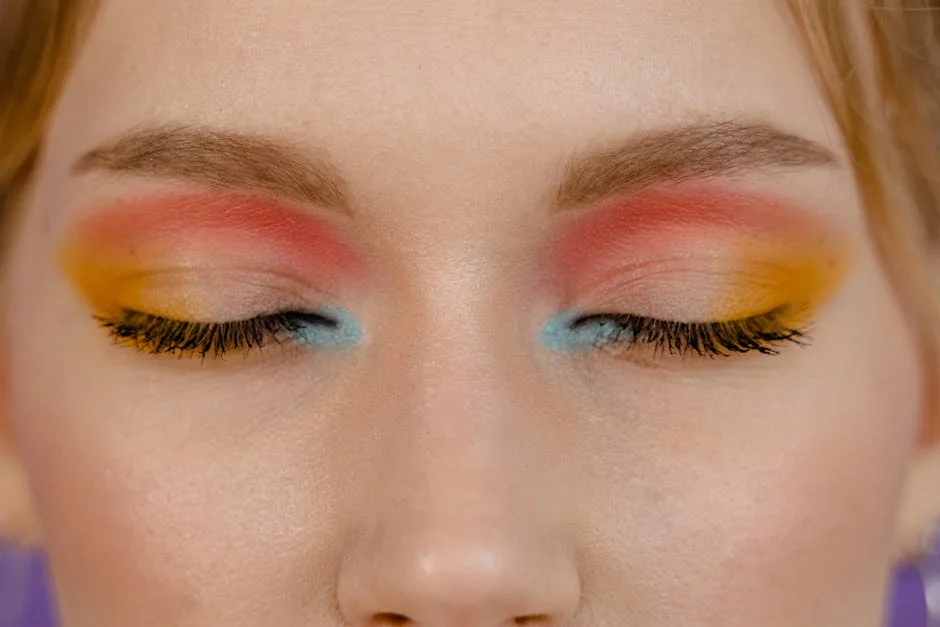
Hazel eyes are chameleon irises: the exact same eye can look green in one light, golden in another, and warm brown in a third. That variability is genuinely useful once you understand it, the right eyeshadow color can actually shift which tone dominates, giving you a different-looking eye from the same face depending on what you wear.
Why Hazel Eyes Are Different
Hazel eyes contain a mix of melanin concentrations and iris structures: typically a brown or golden ring around the pupil surrounded by green or gray-green in the outer iris. Because they lack a single dominant pigment, they’re highly reactive to surrounding colors. This makes color selection genuinely consequential, you’re not just choosing a complement, you’re choosing which part of the iris you’re amplifying.
The two most common goals when choosing eyeshadow for hazel eyes:
- Bring out the green, choose shadows that contrast with warm tones
- Amplify the gold and warmth, choose shadows that mirror and enhance those tones
Shades That Bring Out the Green in Hazel Eyes
Purple and Plum
Purple is the single best color to lock in the green component of hazel eyes. The optical mechanism: purple sits opposite yellow-green on the color wheel, creating a contrast that makes the green in the iris appear more saturated and vivid. Even a small amount of purple on the lid shifts the eye’s readable color dramatically.
Best shades:
- Deep plum for evening intensity
- Dusty lavender for daytime softness
- Muted mauve for the most wearable everyday version
How to wear it: Apply midtone plum to the crease, a lighter lavender or dusty rose to the lid, and a deep plum to the outer corner. The green in your eye will appear almost emerald in comparison.
Forest Green and Teal
Using green on hazel eyes sounds counterintuitive, but it’s highly effective, specifically because a more vivid green next to the eye’s natural muted green creates a comparison that makes the iris look richer and more saturated.
Deep forest green eyeliner on the upper lash line is particularly effective for bringing out hazel green, especially when paired with a warm gold or copper shadow on the lid.
Best shades:
- Forest green eyeliner (inner waterline or upper lash line)
- Dark teal lid color for bold color looks
- Sage green for softer editorial looks
Shades That Amplify the Gold and Warmth
Copper and Bronze
The gold ring around the pupil in hazel eyes responds intensely to copper and bronze shadows. These warm metallic shades mirror the amber in the iris and create a look where the eye appears deep, rich, and glowing without appearing heavy.
Best shades:
- True copper for a bold, gemstone effect
- Warm bronze for everyday warmth
- Antique gold for evening looks
How to wear it: A copper lid with a matte brown crease is one of the most universally flattering looks for hazel eyes. It works in virtually any light and reads as polished without being high-effort.
Terracotta and Warm Earth Tones
Terracotta hits hazel eyes differently than it hits brown eyes, instead of mirroring the iris, it emphasizes the warmth and depth in hazel’s brown component while leaving the green component visible for contrast.
This works particularly well for daytime or natural looks where you want warmth without obvious makeup.
Shades That Create Deep Drama
Burgundy and Deep Wine
Wine-toned shadows add intensity to hazel eyes that’s hard to achieve with standard browns or nudes. The red-brown deepens the brown component of hazel while the inherent contrast with green amplifies that greenness simultaneously.
Best use: Inner corner accent in a smoky look, or as a crease shade with a metallic copper lid.
Charcoal and Smoky Taupe
For a truly neutral smoky eye that doesn’t favor either the green or the brown, charcoal and smoky taupe are the most versatile deep shades. They create intensity without shifting the color reading of the eye in either direction.
Colors to Use Carefully
- Bright golden yellow: Can make hazel eyes look muddy if applied all over; better as a small inner corner highlight
- Orange: Too close in warmth to the amber in hazel eyes, which can create a flat, blended look without clear contrast
- Very pale lavender: Can wash out lighter hazel eyes; opt for a deeper purple instead
Building a Hazel-Eye Palette
If you’re building or shopping for a palette specifically for hazel eyes, prioritize:
| Shade | Purpose |
|---|---|
| Deep plum | Bring out the green, evening looks |
| Warm copper or bronze | Amplify the gold and warmth |
| Matte brown or taupe | Versatile crease and blending |
| Forest green liner | Intensify the green reading |
| Champagne or soft gold | Highlight and inner corner |
By Skin Tone
| Skin Tone | Best Shades |
|---|---|
| Fair, cool undertone | Dusty lavender, plum, cool taupe |
| Fair, warm undertone | Peach, rose gold, warm copper |
| Medium, neutral | Deep plum, forest green liner, bronze |
| Medium, warm or olive | Terracotta, warm green, antique gold |
| Deep | Deep wine, copper, emerald green |
Sources
- Iridology Research. (2024). “Iris Pigmentation and Structural Color in Hazel Eyes.” Ophthalmic Research, 67(3), 112–119.
- Itten, Johannes. The Art of Color. Reinhold Publishing, 1961, color contrast and complementary color principles
- American Academy of Ophthalmology, Iris pigmentation and color variation documentation
Related Guides
- Best Eyeshadow Colors for Brown Eyes
- Best Eyeshadow Colors for Blue & Green Eyes
- Eyeshadow Placement Guide: Where to Apply Every Shade
- Eye Makeup Trends 2026
Why Contrast Works Best on Hazel Eyes
Hazel eyes are uniquely positioned to benefit from contrast techniques because of their natural color variability. The mixed composition of brown, green, and sometimes gold in hazel irises means that whatever color you emphasize in your shadow, the eye color will shift to respond to it, a complimentary shadow color creates more eye color contrast, while analogous colors blend the eye and makeup palette together.
For the most eye color impact: Purple and plum shadows create strong contrast with the green component of hazel eyes. Burgundy and deep rose put emphasis on the brown component. Green shadows blend the green component with the shadow, making the eye appear more solidly green.
For a more subtle, blended look: Earth tones in copper, rust, and warm brown create an analogous palette with most hazel eyes, the effect is elegant and wearable but doesn’t dramatically shift the visible eye color the way contrasting shadows do.
Sources
- “The Color of Eyes”, American Academy of Ophthalmology
- The Pocket Guide to Makeup, Lisa Eldridge (2020)
- Temptalia.com editorial guide, Eye color and shadow pairings
Get weekly eye care & beauty tips
Guides from the Eyeshadow Looks Beauty Desk. No spam, ever.
Frequently Asked Questions
What eyeshadow color makes hazel eyes look green?
Purple and plum shades are the most effective at pulling the green out of hazel eyes. Green sits opposite red-violet on the color wheel, so a purple shadow creates a contrast that makes the green flecks in hazel irises appear more vivid. Deep forest green eyeliner also intensifies the green reading.
What makes hazel eyes look more brown?
Warm earth tones, copper, terracotta, brown, and bronze, emphasize the brown and golden tones in hazel eyes. When the shadow closely mirrors the warm undertones in the iris, the eye reads as richer and deeper brown rather than green.
Is gold or purple better for hazel eyes?
They serve different goals. Gold and copper amplify the warm amber and olive tones in hazel eyes for a warm, glowing look. Purple creates contrast that makes the green component more visible. Both are excellent, choose based on whether you want to emphasize warmth or bring out the green.