You can spend years cycling through eye creams and concealers without making progress on dark circles if you are treating the wrong type. A blue-purple shadow under the eye needs a completely different approach than brown discoloration or a hollow-looking crease. Dermatologists categorize dark circles into three main types, and many people deal with a combination.
Identifying your type is the most useful thing you can do before choosing any product or procedure.
The Three Main Types
Vascular Dark Circles
These show up as blue, purple, or pink discoloration beneath the eyes. You can test for them by gently stretching the skin under your eye: if the color gets darker, it is likely vascular.
Vascular dark circles happen when sluggish blood and lymph circulation causes blood pigments to accumulate in the tiny capillaries beneath the skin. Because the under-eye skin is the thinnest on the body (sometimes less than half a millimeter thick), those congested vessels show through easily.
Several things make vascular circles worse. Poor sleep slows circulation and makes the blood vessels dilate. Seasonal allergies cause inflammation that increases blood flow to the area. Staring at screens for hours creates eye strain and draws more blood to the orbital region. And aging thins the skin further, making existing vessels more visible year after year.
People with fair or light-medium skin tend to notice vascular circles the most because there is less melanin masking the underlying color.
Pigmentation Dark Circles
These appear brown, dark brown, or black. They affect the skin itself rather than showing what is underneath it. Stretching the skin will not change the color.
Excess melanin production in the periorbital area drives this type. Sun exposure is a major trigger because the under-eye skin is particularly sensitive to UV radiation. Post-inflammatory hyperpigmentation from eczema, contact dermatitis, or habitual rubbing can also deposit melanin in the area over time.
Genetics play a significant role. People of South Asian, Middle Eastern, and African descent are more prone to periorbital hyperpigmentation. The tendency runs in families regardless of skin type, and it can appear as early as childhood.
According to a review published in the Journal of Clinical and Aesthetic Dermatology, pigmentary dark circles are the most common type worldwide, largely because of the genetic and sun-exposure factors involved.
Structural Dark Circles
These are not really a color problem at all. They are shadow-based. A depression or hollow forms between the lower eyelid and the cheek (the tear trough), and the resulting shadow makes the area look dark.
Structural circles are driven by anatomy. Volume loss in the mid-face, either from aging or naturally lean facial structure, creates a groove that catches shadow. The deeper the tear trough, the darker the shadow appears. Bone structure also matters: people with prominent cheekbones or deep-set eyes are more likely to see structural shadows.
Weight loss can make structural circles worse because fat pads around the orbit shrink. Age-related bone resorption in the mid-face has a similar effect.
How to Identify Your Type
A good test is to examine your circles in natural light using a magnifying mirror.
Look at the color. Blue, purple, or pinkish tones suggest vascular. Brown or black suggests pigmentation. If the dark area seems to shift or deepen depending on the angle of light, it is probably structural shadowing.
Try the stretch test. Pull the lower lid skin gently downward. If the color intensifies, you are likely dealing with visible blood vessels (vascular). If the color stays the same, it is pigmentary. If the darkness actually decreases when you pull the skin taut, it is likely a shadow from a depression (structural).
Consider your history. If your circles are worse after poor sleep, long screen sessions, or hay fever season, vascular factors are at play. If they appeared during or after a period of heavy sun exposure, melanin is probably involved. If they have gradually worsened alongside weight loss or aging, structure is the primary cause.
Most people have some combination of two or even all three types, which is why single-ingredient products often disappoint.
Treating Vascular Dark Circles
The goal is to improve circulation, strengthen blood vessel walls, and thicken the overlying skin.
Caffeine applied topically constricts blood vessels and can reduce the blue-purple appearance within minutes. Use an eye cream with caffeine as a morning step.
Vitamin K supports blood vessel integrity and may reduce the visible pooling of blood pigments over time. It is often combined with retinol in eye creams designed for vascular circles.
Retinol thickens the skin over several months of use, making the underlying vessels less visible. Start with a low concentration (0.025 to 0.05 percent) around the eyes because the area is sensitive to irritation.
Cold compresses in the morning constrict dilated vessels and reduce visible redness. Even just splashing cold water on the area helps.
Getting enough sleep (seven to nine hours) and managing allergies with antihistamines reduces the inflammation and vessel congestion that make vascular circles worse.
For stubborn cases, pulsed dye laser treatments can target and reduce the appearance of dilated blood vessels beneath the skin.
Treating Pigmentation Dark Circles
Here, the focus shifts to suppressing melanin production and encouraging cellular turnover.
Vitamin C (ascorbic acid at 10 to 20 percent) inhibits the enzyme tyrosinase, which drives melanin production. It also brightens existing discoloration. Use it in the morning under sunscreen.
Niacinamide (vitamin B3) prevents melanin from reaching the skin surface and improves overall skin tone. At 5 percent concentration, it is gentle enough for daily use around the eyes.
Azelaic acid and kojic acid are additional melanin inhibitors that dermatologists sometimes recommend when vitamin C alone is not enough.
Sunscreen is non-negotiable. UV light triggers melanin production faster than any topical can suppress it. Apply a mineral sunscreen with SPF 30 or higher to the under-eye area daily, even on cloudy days. Wearing sunglasses provides additional protection.
Chemical peels with alpha-hydroxy acids can speed turnover and reduce pigment deposits. A dermatologist should perform peels near the eyes because the skin is delicate.
IPL (intense pulsed light) treatments can break up melanin deposits in the skin. Multiple sessions are usually needed, and strict sun avoidance afterward is essential to prevent rebound pigmentation.
Treating Structural Dark Circles
Topical products have limited impact on structural circles because the problem is physical, not chemical. A few approaches address the underlying anatomy.
Hyaluronic acid fillers injected into the tear trough restore lost volume and eliminate the shadow. Results are immediate and last six to eighteen months depending on the product used. This is the most effective non-surgical treatment for structural circles, according to the American Society of Dermatologic Surgery.
Retinol and peptide creams can modestly thicken the skin over time, reducing the depth of the shadow slightly. They are a good complement to fillers but rarely sufficient on their own for deep hollows.
Strategic concealer application creates an optical illusion that minimizes shadow. Use a peach or salmon-toned corrector first, then layer a concealer that matches your skin tone on top.
Fat transfer or autologous fat grafting offers a longer-lasting alternative to fillers for people who want a more permanent solution. The surgeon harvests fat from another part of the body and injects it beneath the eye. Results can last years, though some of the injected fat is absorbed in the first few months.
When Multiple Types Overlap
Many people have both vascular and structural circles, or a combination of all three. In those cases, a layered treatment approach works best.
A practical starting routine for combination dark circles:
- Morning: caffeine eye cream, vitamin C serum, mineral SPF
- Evening: retinol or niacinamide eye cream
- Weekly: cold compress sessions (10 minutes, 3 to 4 times per week)
- Professional: consult a dermatologist about fillers if structural shadows are prominent
Give the topical routine at least eight to twelve weeks before judging results. The under-eye area Responds slowly because the skin is so thin and turnover is gradual.
Frequently Asked Questions
Can dark circles be permanently removed?
It depends on the type. Pigmentation circles can sometimes be resolved completely with consistent treatment and sun protection. Vascular circles can be managed but tend to recur if the underlying factors (allergies, poor sleep, aging) continue. Structural circles can be corrected with fillers or surgery, but filler results are temporary and may need maintenance.
Are dark circles ever a sign of a health problem?
Occasionally. Iron-deficiency anemia can worsen dark circles by reducing oxygen in the blood, making it appear darker through the skin. Thyroid conditions, kidney issues, and chronic dehydration can also contribute. If your dark circles are severe, sudden, or accompanied by other symptoms like fatigue or weight changes, it is worth seeing your doctor for blood work.
Do under-eye patches work?
Most hydrogel patches provide temporary hydration and a mild de-puffing effect from the cold temperature of the sheet. They can make the area look smoother for a few hours afterward. The infused ingredients (peptides, caffeine, hyaluronic acid) do provide some benefit, but the exposure time is typically too short for significant long-term improvement. They are a nice prep step before makeup rather than a treatment.
Sources
- Cleveland Clinic. (2025). “Dark Circles Under Your Eyes: Causes and Treatments.” clevelandclinic.org.
- DermNet NZ. (2025). “Periorbital Hyperpigmentation.” dermnetnz.org.
- Healthline. (2025). “Dark Circles Under the Eyes: Causes and Treatments.” healthline.com.
- National Institutes of Health. (2024). “Periorbital Dark Circles: A Review.” ncbi.nlm.nih.gov.
Related Guides
Get weekly eye care & beauty tips
Guides from the Eyeshadow Looks Beauty Desk. No spam, ever.
Related Articles
 causes
 Dark Circles Under Eyes: The Complete Guide to Causes and Treatments
Read Guide arrow_right_alt causes
 Dark Circles Under Eyes: Causes, Types, and Treatments That Match Your Type
Read Guide arrow_right_alt remedies
 How to Get Rid of Dark Circles: A Realistic Guide to Causes, Skincare, & Makeup
Read Guide arrow_right_alt remedies
 Natural Remedies for Dark Circles: What Actually Works
Read Guide arrow_right_alt causes
 Are Dark Circles Under Eyes a Sign of Illness? When to See a Doctor
Read Guide arrow_right_alt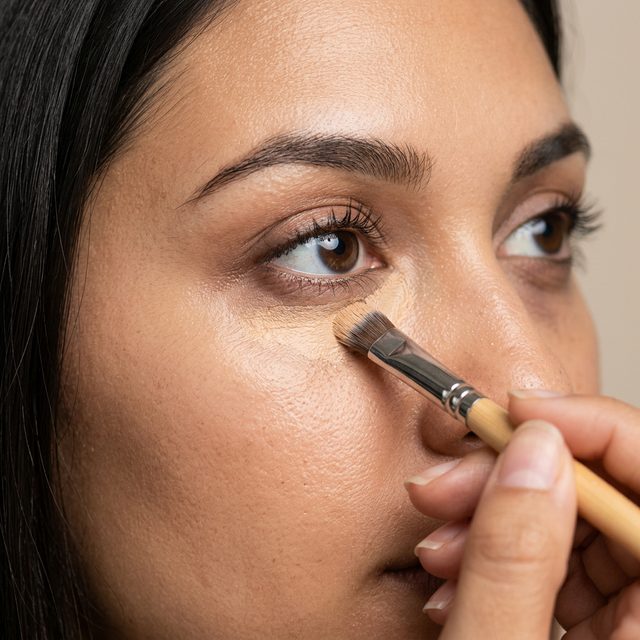 products