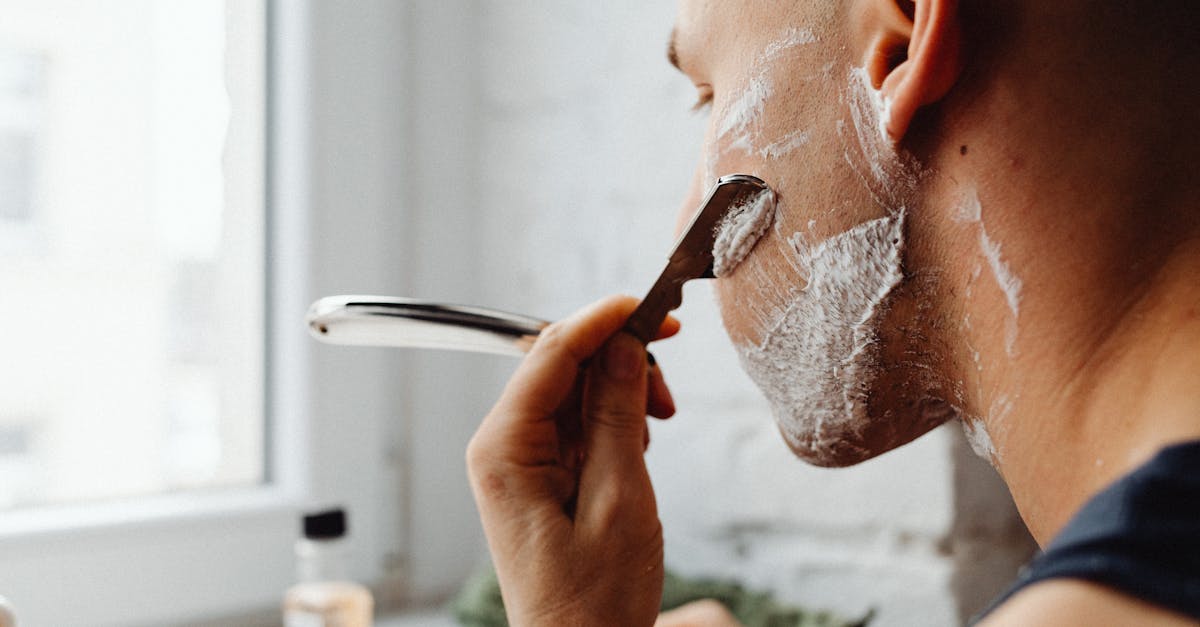
Dark circles are not a female-specific issue, and the biological causes are identical across sexes. What differs is how male skin responds to certain treatments, the lifestyle factors that are more common in men, and the products that integrate well with simpler skincare routines.
Why Men Often Have Dark Circles
The causes of dark circles in men fall into the same four categories as any dark circles, but certain factors are statistically more common:
Higher average alcohol consumption: Alcohol dilates blood vessels (worsening vascular dark circles) and causes dehydration and inflammation. The under-eye area shows this particularly clearly.
Greater sleep disruption from work schedules: Sleep deprivation causes skin pallor (making blood vessels more visible) and increased blood vessel dilation.
Less sun protection use: Pigmentation-type dark circles are partially driven by cumulative UV exposure. Men are statistically less likely to wear SPF daily, making pigmentation dark circles progressively worse over time.
Delayed skincare intervention: Most men start addressing dark circles later than most women, meaning more of the underlying skin thinning and structural change has already occurred before treatment begins.
The genetic baseline is the same: Genetics determine the baseline thinness of under-eye skin and the degree of orbital shadowing. This is equal opportunity.
How to Identify Your Type
Before selecting a treatment, identifying which type of dark circles you have matters (see full breakdown in our dark circles causes guide):
- Blue-purple circles: Vascular type, thin skin showing blood vessels
- Brown/tan circles: Pigmentation type, excess melanin
- Shadow/valley appearance: Structural, orbital anatomy
- Significantly worse after poor sleep/drinking: Strong lifestyle component
Effective Treatments for Men
Sleep: The Non-Negotiable Baseline
Seven to nine hours of sleep is not negotiable if you want dark circles to improve. During sleep, the body repairs skin, reduces cortisol (which causes water retention and vascular dilation), and drains lymphatic fluid from the face. Even two nights of significantly reduced sleep shows in the under-eye area by morning three.
Sleeping improved (add a second pillow) reduces overnight blood pooling that worsens morning dark circles.
Reduce Alcohol Intake (Particularly Evening Drinking)
Alcohol is vasodilatory, it dilates blood vessels across the body including in the thin under-eye skin. It also causes systemic dehydration. Both worsen dark circles. Even reducing consumption from four nights a week to two shows visible improvement in the under-eye area for most men within 2–3 weeks.
Eye Cream: What to Look For
Men generally prefer simpler routines with fewer products. A well-chosen single eye cream can address multiple causes:
For vascular (blue-purple) dark circles:
- Kiehl’s Creamy Eye Treatment with Avocado (~$35): Rich, absorbs without leaving residue; caffeine component addresses vessel visibility
- L’Oréal Men Expert Hydra Energetic Eye Roll-On (~$16): Roll-on format is easy to apply, caffeine-forward formula
For pigmentation (brown) dark circles:
- The Ordinary Caffeine Solution 5% + EGCG (~$12): High-percentage caffeine with antioxidants; not specifically a “men’s” product but very effective for the price
- Kiehl’s Midnight Recovery Eye (~$55): Contains retinol precursor and botanical brighteners; long-term pigmentation improvement
For structural/deep circles:
- Concealer and filler are more effective than skincare alone for structural cases
- Eye cream provides modest benefit by improving overlying skin quality
Daily SPF Under the Eyes
This is the most neglected prevention measure for men. UV exposure drives pigmentation dark circles progressively darker year after year without protection. A lightweight SPF 30+ daily, even just a tinted moisturizer applied to the face, significantly slows this process.
Concealer for Men: The Practical Guide
Concealer is not exclusively a female product and is increasingly used by men in entertainment, business, and public-facing roles. When applied correctly it’s genuinely undetectable.
How to apply for dark circles:
- Choose a concealer that exactly matches the skin surrounding the dark area
- If the circles are notably blue-purple, apply a tiny amount of peach or salmon-toned corrector first (optional but effective)
- Apply a small amount with a fingertip and tap, don’t swipe, into the dark area
- Use just enough to neutralize the discoloration without making the area look noticeably lighter than surrounding skin
- No setting powder needed for a natural finish; if wear time is a concern, a light translucent powder tap extends it
Products with high male usage rates: Armani Luminous Silk Concealer (very natural finish), Fenty Beauty Pro Filt’r Instant Retouch Concealer (extensive shade range), Tom Ford Concealing Pen (designed with male advertising).
Sources
- Baumann, L. (2009). Cosmetic Dermatology: Principles and Practice (2nd ed.). McGraw-Hill Medical.
- International Journal of Clinical Practice. (2020). “Sex differences in skin structure and composition.” 74(11): e13487.
- Kligman, A.M. (2000). “Perspectives and problems in cutaneous gerontology.” Journal of Investigative Dermatology, 114(6), 1323–33.
Related Guides
- Dark Circles: Causes, Types, and Treatments
- Dark Circles: Complete Guide
- Best Eye Creams for Dark Circles
Skincare That Works for Men’s Dark Circles
Men’s skin tends to be slightly thicker than women’s, but the periorbital (under-eye) area is thin on everyone, and this is where dark circles form.
Building a Minimal Routine
You don’t need a 10-step routine to see improvement. A focused two-product approach works for most men:
Step 1, Eye cream with an active ingredient: Look for one that addresses your primary cause:
- Caffeine for puffiness and vascular circles (reduces blood pooling, temporarily constricts vessels)
- Retinol for long-term skin thickening and improved tone (collagen support over 8-12 weeks)
- Vitamin C if pigmentation is the main issue (brightens existing discoloration over time)
Step 2, SPF: UV exposure degrades collagen and worsens pigmentation. A lightweight facial SPF (at least SPF 30) used daily around the eye area is the single highest-impact thing for preventing long-term worsening.
Apply the eye cream with your ring finger, lighter pressure than your index finger, tapping gently along the orbital bone rather than rubbing directly on the skin.
When to Apply
Morning: apply eye cream after cleansing, before SPF. Most active ingredients (retinol is the exception) work well in the morning.
Retinol-based eye products are best used at night, as retinol can degrade in sunlight and make skin more sun-sensitive.
Concealers for Men
Using concealer to cover dark circles is increasingly normal and doesn’t require a complete makeup look. Several products are designed specifically for discreet undereye coverage:
- Tinted moisturizer: Lightest coverage, most natural finish, easiest to apply
- Stick concealer: Portable, easy to blend with a fingertip, buildable coverage
- Color-correcting concealer: Orange or peach tone corrects blue-purple circles before a flesh-toned cover
Application tip: Apply a small amount, warm it between your fingertip and thumb, then gently press (not rub) under the eye in a tapping motion. Use your ring finger. Blend out any edges.
For men with beards, keep concealer application above the beard line and any shadow, mixing product with beard stubble gets patchy.
Lifestyle Factors That Matter
Beyond skincare products, certain habits have a measurable effect on dark circle severity:
Sleep position: Sleeping on your back reduces fluid pooling under the eyes. Side sleepers often develop worse circles on the side they favor because fluid accumulates overnight.
Alcohol: Alcohol causes both dehydration and vasodilation (expanded blood vessels), both of which worsen the appearance of dark circles, especially vascular types.
Salt intake: High sodium increases water retention, which can worsen puffiness that makes shadows more visible.
Screen time before bed: Disrupted sleep quality (even at the same total duration) worsens fatigue-related undereye appearance.
Cold exposure: Cold water or cool eye masks temporarily constrict blood vessels and reduce puffiness, a fast 60-second fix before a meeting or event.
Sources
- American Academy of Dermatology, Periorbital changes in men’s aging skin
- Journal of Clinical and Aesthetic Dermatology: “Male-specific concerns in aesthetic dermatology”
- Retinol efficacy: Kafi R et al., “Improvement of naturally aged skin with vitamin A (retinol)”, Archives of Dermatology, 2007
We evaluate beauty products and techniques independently. To learn more about our editorial standards, read our Editorial Policy.
Get weekly eye care & beauty tips
Guides from the Eyeshadow Looks Beauty Desk. No spam, ever.
Frequently Asked Questions
Why do men get dark circles?
Men develop dark circles for the same reasons as women: thin under-eye skin that shows blood vessels (vascular type), pigmentation, structural orbital shadows, and lifestyle factors like sleep deprivation and alcohol. Male skin is generally about 25% thicker than female skin on average, but the under-eye area is still very thin in both sexes, making it equally vulnerable to dark circles.
What is the best eye cream for men with dark circles?
The most effective eye creams for men with dark circles contain caffeine (for immediate puffiness and vessel constriction), retinol (for long-term skin thickening and collagen improvement), and vitamin C or niacinamide (for pigmentation). Kiehl's Creamy Eye Treatment with Avocado, L'Oréal Men Expert Hydra Energetic Eye Roll-On, and Clarins Men Super Moisture Balm are consistently well-reviewed options for male skin.
Can men use concealer for dark circles without it looking obvious?
Yes. Modern color-correcting concealers and tinted moisturizers blend smoothly when applied lightly. The key is: use only what you need (less is more), choose a product specifically matched to your skin tone, and blend thoroughly. A small amount of peach or salmon color corrector followed by skin-toned concealer, tapped in with a fingertip, is virtually undetectable on most skin tones.