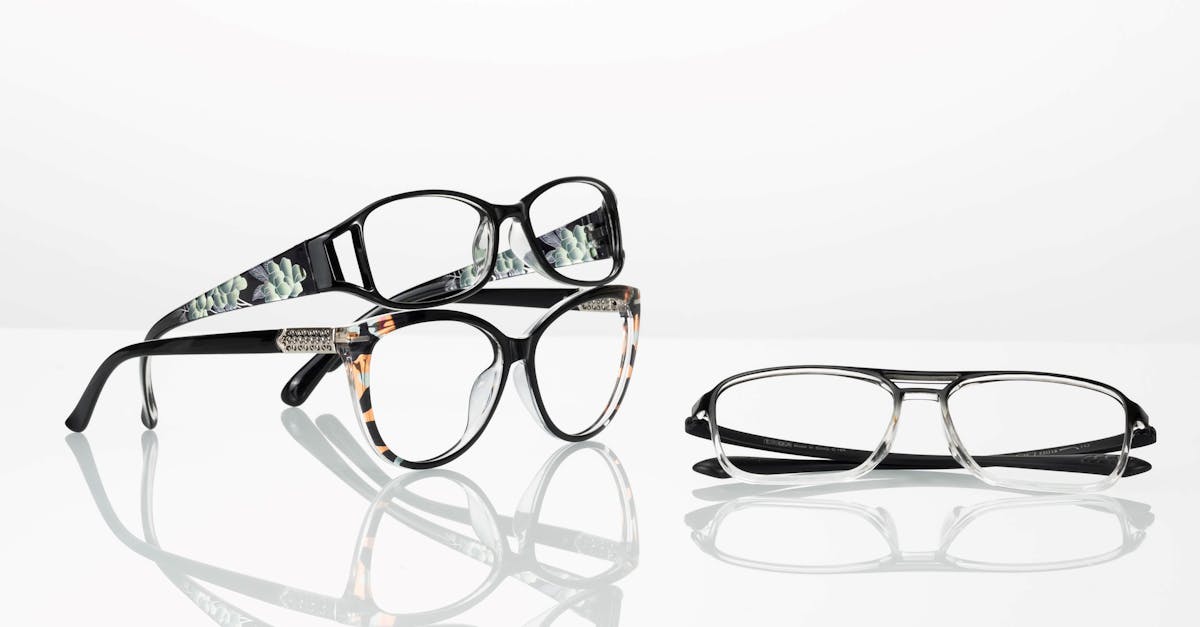
Evaluating blue light glasses benefits requires understanding how digital screens affect your eyes and sleep. While science shows screen fatigue is caused by lack of blinking rather than blue light, these glasses can help improve sleep quality by blocking melatonin-disrupting wavelengths before bedtime.
Executive Summary
- Primary Cause: Digital eye strain (computer vision syndrome) is mostly caused by reduced blinking and screen glare, not blue light itself.
- Sleep Protection: Blue light blocks melatonin production. Wearing these glasses at night helps maintain your body’s natural sleep-wake cycle.
- Scientific View: Current ophthalmology studies show mixed evidence for eye strain relief, but strong evidence for sleep benefits.
- Lens Options: Clear lenses are best for minor screen time, while yellow or amber lenses block more blue light for evening use.
- Alternative Habits: Practice the 20-20-20 rule and reduce glare to relieve strain naturally alongside wearing glasses.
What is Blue Light and Where Does It Come From?
Blue light is a high-energy, short-wavelength light that is part of the visible light spectrum. The primary source of blue light is natural sunlight. This light plays an important role in keeping us awake, alert, and focused during the day.
However, in 2026, we are exposed to artificial sources of blue light more than ever. These sources include digital screens on smartphones, tablets, computers, and televisions, as well as energy-efficient LED and fluorescent lighting.
While the amount of blue light coming from screens is much smaller than the amount coming from the sun, the problem lies in the proximity and duration of exposure. We hold screens close to our eyes and stare at them for many hours, which has raised concerns about how this exposure affects our vision and overall health.
What is Digital Eye Strain and How Does It Affect You?
Digital eye strain, also known as computer vision syndrome, is a group of eye and vision problems related to near-distance work. Anyone who spends more than two hours in front of a screen is at risk.
Symptoms of digital eye strain include:
- Dry, itchy, or burning eyes
- Blurred vision or double vision
- Frequent headaches
- Neck, shoulder, or back pain
- Difficulty focusing after looking away from a screen
These symptoms are often caused by the way we use screens. When looking at digital displays, our blink rate drops by up to 50%. Blinking is essential because it spreads tears across the eye surface to keep them moist. Without blinking, the eyes dry out, leading to irritation.
If you already wear contacts, screen use can make dryness worse. You can learn more about how to manage comfort in our article on contact lens makeup safety or eye makeup contact lens wearers.
How Do Blue Light Glasses Claim to Help Your Eyes?
Blue light blocking glasses, such as TIJN Blue Light Blocking Glasses, feature lenses that are treated with a special coating. This coating is designed to absorb or deflect a portion of the blue light wavelengths before they reach your eyes.
Proponents of these glasses claim that blocking this light reduces the workload on your eyes. It is argued that because blue light scatters more easily than other visible light, it creates visual static or noise. This static reduces contrast, forcing your eye muscles to work harder to focus.
By filtering out the blue wavelengths, the glasses are said to increase contrast and comfort. Many users report that wearing them makes screen text look sharper and reduces the frequency of headaches after long work sessions.
What Does the Science Say About Blue Light Glasses Benefits?
When evaluating the benefits of blue light glasses, it is important to look at scientific consensus. Major eye health organizations, including the American Academy of Ophthalmology, state that blue light from screens does not cause physical damage to the retina.
Studies have shown that blue light glasses do not significantly reduce the physical symptoms of digital eye strain when compared to clear lenses without blue light filters. Research suggests that the strain we feel is caused by glare, screen distance, and lack of blinking rather than the blue light itself.
However, the placebo effect and the benefit of anti-reflective coatings on these glasses should not be ignored. Many blue light glasses also include glare-reducing coatings. Reducing screen glare does relieve eye strain, which may explain why many people find relief when wearing them.
How Does Blue Light Exposure Impact Your Sleep Rhythms?
While the scientific link between blue light and eye strain is weak, the link between blue light and sleep is strong. Blue light is a primary regulator of our circadian rhythm, which is the internal clock that tells us when to sleep and when to wake.
When your eyes detect blue light, they send signals to your brain to suppress the production of melatonin, the hormone responsible for sleep. During the day, this suppression is helpful because it keeps you alert.
In the evening, however, staring at phones or laptops tricks your brain into thinking it is still daytime. This delays melatonin release, making it harder to fall asleep and reducing the amount of deep REM sleep you get.
If you wake up with tired, puffy eyes due to poor sleep, you can read about treatment options in our guide on allergy eyes swollen or learn about soothing drops in eye drops tired eyes.
Can Blue Light Glasses Improve Sleep Quality?
Using blue light blocking glasses in the evening is a proven way to protect your sleep quality. By wearing these glasses while watching television or scrolling through your phone before bed, you prevent the screen light from suppressing melatonin.
Research supports this benefit. Studies show that participants who wear blue light blocking lenses in the hours leading up to bedtime experience:
- An easier time falling asleep
- Increased total sleep duration
- Improved sleep quality and morning alertness
- More consistent sleep schedules
For the best sleep benefits, choose glasses with amber or yellow-tinted lenses for evening use. These block a much higher percentage of blue light than clear lenses, making them more effective at night.
How Do You Select the Right Pair of Blue Light Glasses?
If you decide to try blue light glasses, you must select the right type for your needs. Lenses vary in their blocking power and appearance.
- Clear Lenses: These are designed for daytime use. They block about 20% to 35% of blue light, focusing on the violet-blue range. They look like regular glasses and do not distort color, making them ideal for office work.
- Yellow or Amber Lenses: These block 60% to 90% of blue light. They are much more effective but will tint everything you see yellow. These are best for evening use or for gamers who play in dark rooms.
- Anti-Glare Coating: Ensure the glasses have an anti-reflective (AR) coating. This coating is crucial because it stops screen light from bouncing off the lenses and into your eyes, which helps reduce physical eye strain.
What Other Habits Relief Digital Eye Strain?
While glasses can help, you should not rely on them alone. Changing your habits is the most effective way to eliminate screen fatigue.
- The 20-20-20 Rule: Every 20 minutes, look at an object at least 20 feet away for 20 seconds. This exercise relaxes the focusing muscles inside your eyes.
- Adjust Your Screen Position: Place your monitor about 20 to 28 inches away from your face. The top of the screen should be at or slightly below eye level so you look downward.
- Reduce Glare: Position screens away from bright windows, or use an anti-glare screen protector.
- Increase Text Size: Make text larger so you do not have to squint or lean forward to read.
- Blink Frequently: Keep a sticky note on your monitor to remind yourself to blink.
When Should You See an Eye Care Professional?
If your eye strain symptoms do not go away after changing your habits and trying blue light glasses, you should schedule an eye exam.
Persistent eye strain can be a sign of an underlying vision issue, such as uncorrected farsightedness or astigmatism. Even a minor prescription change can cause severe strain when working on computers.
An eye doctor can evaluate your vision and prescribe computer-specific glasses. These glasses are tuned to the exact distance between your face and your screen, providing better relief than over-the-counter options. They can also check for dry eye syndrome and recommend medical treatments.
FAQs
Do blue light glasses actually reduce digital eye strain?
Scientific studies suggest that blue light itself is not the primary cause of digital eye strain. Eye strain is usually caused by staring at screens for too long without blinking. However, many users report feeling less fatigue when wearing blue light glasses.
Can blue light glasses improve my sleep?
Yes, blue light glasses can help improve sleep when worn in the evening. Blue light from screens suppresses melatonin production. Blocking this light before bed helps maintain your body’s natural sleep rhythm.
Should I wear blue light glasses all day?
You do not need to wear blue light glasses all day. Daytime exposure to natural blue light from the sun is beneficial for your mood and alertness. It is best to wear them when using screens for extended periods or in the evening.
What is the difference between clear and amber blue light lenses?
Clear lenses block about 20% to 35% of blue light and are suitable for daytime office work. Amber or yellow lenses block up to 60% or more of blue light and are recommended for evening screen use to protect sleep rhythms.
Are cheap blue light glasses as good as expensive ones?
Many inexpensive blue light glasses block blue light effectively. The main difference in expensive glasses is usually the quality of the frame, the optical clarity of the lenses, and the presence of anti-reflective coatings.
Conclusion
Evaluating blue light glasses benefits in 2026 highlights the value of these tools for sleep and visual comfort. While they are not a cure-all for digital eye strain, they do a wonderful job of protecting your sleep cycles from screen light in the evening. By combining these glasses with proper screen habits—like blinking more often and resting your eyes—you can enjoy screen time without discomfort.
Get weekly eye care & beauty tips
Guides from the Eyeshadow Looks Beauty Desk. No spam, ever.
Frequently Asked Questions
How do I prevent my mascara from smudging on my glasses?
To prevent smudging, always curl your lashes before applying mascara, and opt for a waterproof or tubing formula. Let the mascara dry completely before putting your blue light glasses back on.
What eyeshadow colors make eyes pop behind blue light lenses?
Warm tones like copper, bronze, and peach beautifully contrast with the cool tint of blue light glasses. Shimmer shadows also help reflect light and brighten the eye area behind lenses.
Should I wear heavy eyeliner if I wear thick-rimmed glasses?
If you wear thick-rimmed blue light glasses, it is best to balance your makeup. A soft, smudged eyeliner or a thin line works beautifully, as heavy black wings can compete with bold frames and make your eyes look smaller.
How do I keep my eyeshadow from creasing when wearing glasses all day?
Always start with an eyeshadow primer to create a smooth, oil-free base. Set your eyelids with a translucent powder before applying your makeup, and use high-quality, blendable eyeshadows to ensure long-lasting wear.
Will blue light glasses alter the appearance of my eyeshadow?
Clear blue light lenses usually do not alter makeup colors significantly. However, amber-tinted lenses can cast a warm yellow hue over your face, so you might want to adjust your eyeshadow shades or avoid overly warm tones if you frequently wear amber lenses.