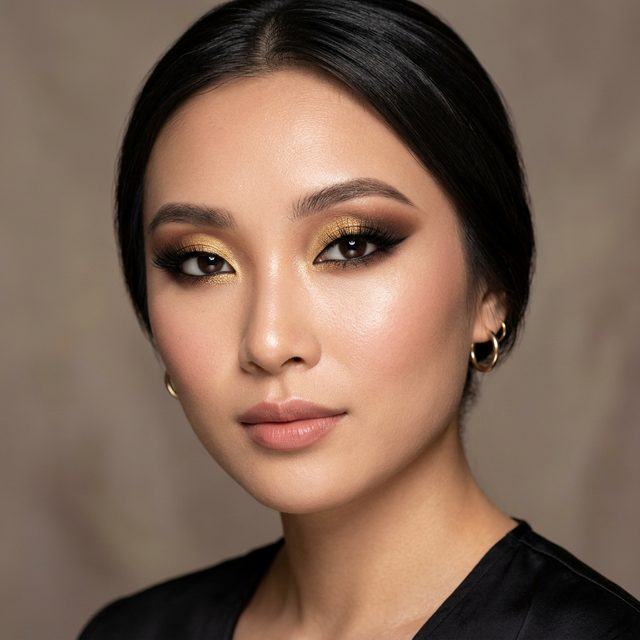
Monolid eyes, eyes without a visible crease when open, are extremely common and genuinely beautiful, but most mainstream eyeshadow tutorials are written for eyes with a prominent crease. This guide is specifically for monolids.
This page is the recipe sibling: numbered techniques you can copy (gradient lid, open-eye check). The shape-and-placement guide explains why standard crease rules fail. Both URLs stay live.
Understanding Monolid Anatomy
A monolid has no visible fold between the lid and the area above. When your eye is open, the entire lid may or may not be visible depending on how much of it your brow bone covers.
Key differences from creased eyes:
- The “crease” that other tutorials reference either doesn’t exist or isn’t visible when your eye is open
- Lid space is often less visible when eyes are fully open
- Standard crease blending techniques look wrong, they create marks that disappear into the eye when open
The goal for monolid makeup is to create the illusion of depth and dimension using placement strategies that remain visible with eyes fully open.
Technique 1: Gradient Lid (Most Versatile)
Place shades in a gradient from lash line to brow bone, darkest at the lash line, progressively lighter toward the brow.
Placement:
- Apply a dark shade (matte or shimmer) directly on the lash line, about 3–4mm tall
- Apply a medium shade immediately above it
- Blend upward with a clean fluffy brush
- Apply a light shade from the medium color to the brow bone
Why it works: Creates depth visible when the eye is open, without relying on crease placement.
Best shades: For a natural look, use shades within 2–3 steps of your skin tone. For drama, the dark strip at the lash line can be as dark as charcoal or black.
Technique 2: Artificial Crease (Advanced)
Create the illusion of a crease using shadow placed slightly above where a crease would naturally fall.
Placement:
- With eyes open, look straight ahead. Find the socket bone above your eye, press lightly and feel where the bone arches.
- With a small fluffy brush, apply a mid-tone matte shadow along that line, this is your artificial crease
- Blend upward (never downward, that pushes color onto the lid)
- Apply a lighter shade on the lid below your artificial crease
- Deepen the outer V with a darker shade
Key: All placement should be done with eyes open, checking continuously. The landmark you’re applying to won’t be visible with eyes closed.
Technique 3: Defined Lash Line + Simple Lid
For quick everyday looks, skip complex shadow placement and rely on liner definition.
Execution:
- Apply a neutral or shimmery shade across the entire lid
- Define with a pencil liner close to the lash line
- Smudge the liner slightly upward for a soft definition
- Curl lashes and apply volumizing mascara
Why it works: Volume at the lash line creates the dimension that crease blending achieves on other eye shapes.
Liner Techniques for Monolids
Graphic Upper Liner
Graphic and floating liner visible ABOVE the lid space works beautifully on monolids, it’s visible when the eye is open in a way that subtle crease work isn’t.
Placement: 2–3mm above the lash line, draw a second line parallel to the first. Keep it thin.
Lower Waterline
White or nude lower waterline liner opens the eye significantly on monolids. The effect is more dramatic here than on creased eyes because the contrast against a visible upper lid is high.
No Inner Corner Liner
Avoid heavy inner corner lining, it can make eyes appear closer set and smaller. If you use inner corner liner, stick to light/shimmer shades.
Eyeshadow Colors That Work Best
Contrast is your friend. Since you have less visible lid space, high-contrast colors read more clearly.
- Warm coppers and bronzes: Blend beautifully and open the eye
- Cool plums and mauves: Create depth without heaviness
- Bright single shades: Bold single-color lids read well on monolids
- Shimmer on the center lid: Even a small shimmer highlight reads clearly
- Avoid: Super subtle, similar-value shades blended together, the depth won’t read when your eye is open
Mascara Strategy
Volume over length. Length can tip lashes downward, which reduces visible lid space further. Use a volumizing mascara and focus on lifting the roots with a lash curler before application.
Curling is essential. A Shu Uemura or Shiseido curler (designed for less-curved lid shapes) works better than standard curlers for most monolid eye shapes.
Quick Reference
| Goal | Technique | Products |
|---|---|---|
| Everyday definition | Liner + mascara | Soft pencil, volumizing mascara |
| Natural dimension | Gradient lid | Neutral matte palette |
| Evening look | Artificial crease + dark liner | Mid-tone + dark matte shadows |
| Bold look | Graphic liner + shimmer lid | Felt-tip liner, shimmer single |
| Eye opening | White waterline | Waterproof white pencil |
Related reads:
Choosing the Right Product for Your Needs
When exploring eye makeup, selecting the perfect product relies heavily on understanding your skin type, undertones, and daily routine. To achieve the most flattering look, always prioritize formulas that work with your unique biology rather than against it.
Understanding Skin Types and Formulas
If you have oily eyelids, powder eyeshadows and waterproof liquid liners will be your best defense against midday creasing and smudging. For those with mature or dry skin, cream shadows and hydrating concealers offer a youthful, radiant finish that won’t settle into fine lines. Always start with a high-quality eye primer to ensure whatever formula you choose locks in place for 12+ hours. Also, applying setting powder lightly over the lids before packing on color can absorb excess sebum throughout the day, significantly extending the life of your look.
The Role of Undertones
Matching your makeup to your undertone is crucial. If you have cool undertones (veins appear blue/purple), reach for icy silvers, cool taupes, and berry hues. If your undertones are warm (veins appear green), gold, peach, bronze, and warm terracotta shades will make your eyes pop. Neutral undertones have the flexibility to wear almost any shade on the color wheel. Remember that contrasting colors on the color wheel create the most dramatic impact; for example, warm copper tones will make blue eyes appear vividly bright, while violet hues beautifully enhance green eyes or hazel eyes.
Proper Removal and Eye Health
The most important step of any makeup routine is removing it. Sleeping in eye makeup can lead to clogged hair follicles, lash loss, and severe eye infections like styes. Use a dedicated, gentle bi-phase makeup remover on a cotton pad, holding it over the closed eye for 10 seconds to dissolve waterproof bonds before gently wiping away. Never violently scrub the delicate skin around the eyes, as this accelerates premature aging and wrinkle formation. After removal, applying a hydrating, peptide-rich eye cream will restore the moisture barrier stripped away by cleansing surfactants, promoting healthy lash growth and a smoother canvas for the next day’s application.
Sources
- American Academy of Ophthalmology, Eye Health Information
- American Academy of Dermatology, Skin Care Guidelines
- National Eye Institute, Eye Health Research
Related Articles
Get weekly eye care & beauty tips
Guides from the Eyeshadow Looks Beauty Desk. No spam, ever.
Related Articles
 tutorials
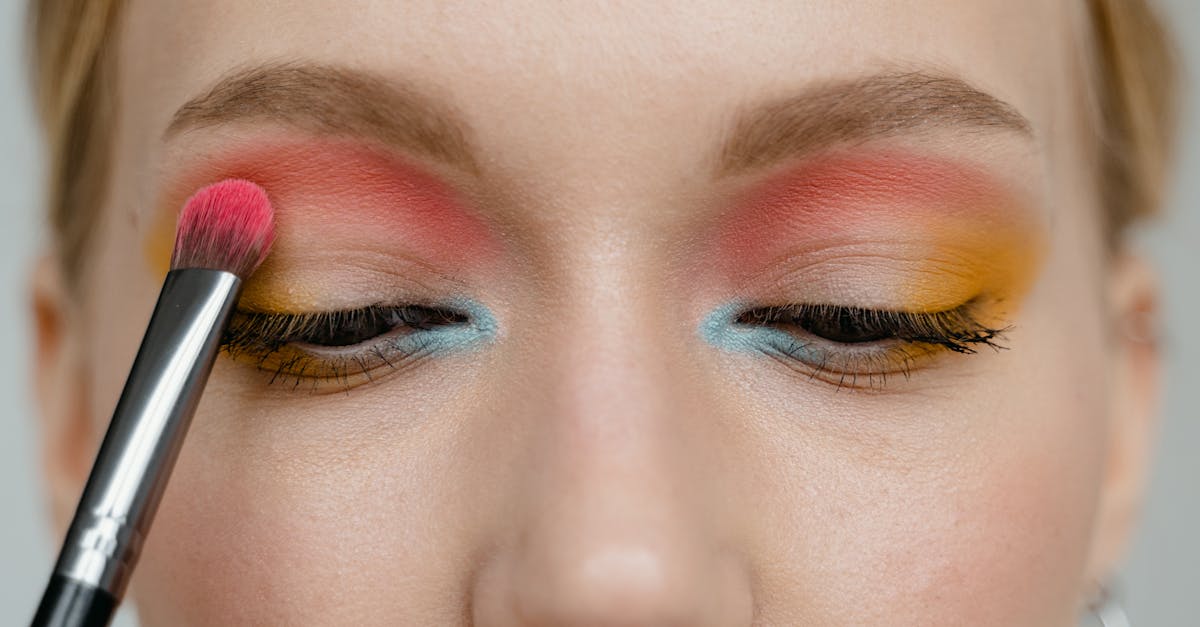
 Monolid Eye Makeup: Techniques That Enhance Your Natural Shape
Read Guide arrow_right_alt tutorials
 How to Apply Eyeshadow for Beginners: Step-by-Step Guide (With Pictures)
Read Guide arrow_right_alt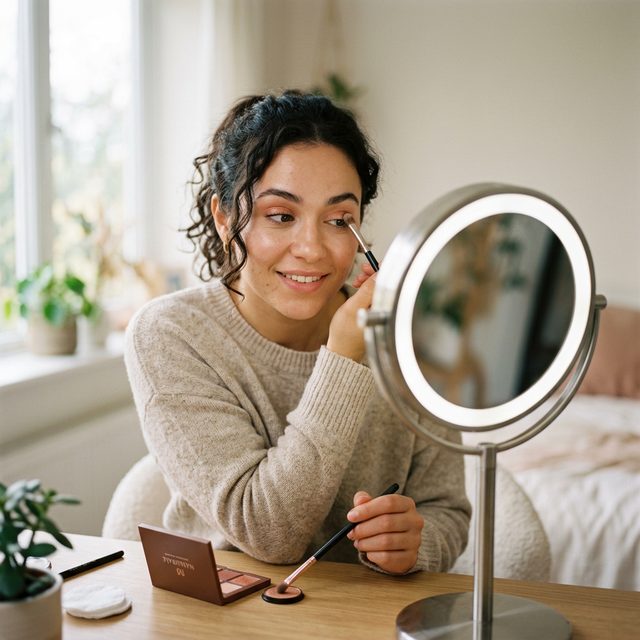 tutorials
 Eyeshadow for Beginners: The Complete Starter Guide
Read Guide arrow_right_alt tutorials
 Best Eyeshadow for Beginners: Step by Step Guide
Read Guide arrow_right_alt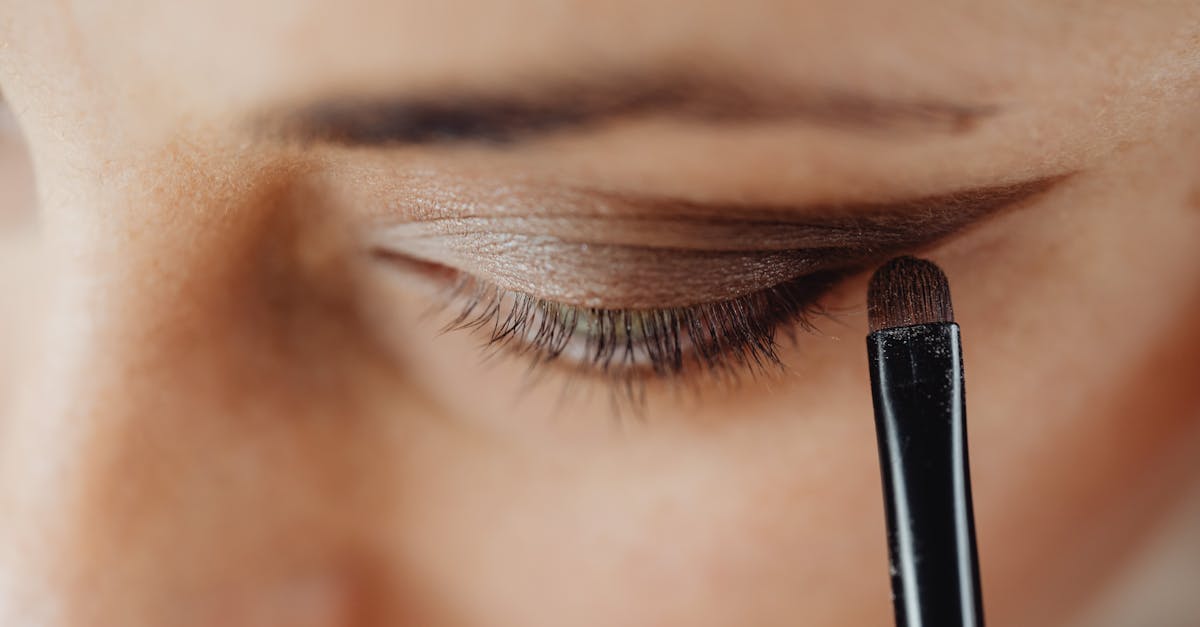 tutorials
 Smokey Eye Tutorial: Step by Step for Beginners
Read Guide arrow_right_alt tutorials