
The day-to-night transition is a practical problem that most tutorials overcomplicate. You do not need to remove your daytime makeup and start fresh. You do not need ten extra products or twenty minutes in a bathroom. The goal is strategic addition: layering a few targeted elements over your existing look to increase depth, intensity, and dimension.
This page is the conversion sibling: add depth to a look you already wore to work. Start from the five-minute look menu or the office map. Do not collapse those URLs into this one. All stay live.
The best daytime eye looks are actually designed with this transition in mind. A well-applied neutral base provides the perfect canvas for evening intensification.
The Principle: Add Depth, Not Coverage
Daytime eye makeup is usually light to medium in depth, with soft edges and minimal dark shading. Evening eye makeup is deeper, more defined, and often includes shimmer or metallic finishes that catch low light.
The transition comes down to three things:
- Darkening the crease and outer corner
- Adding shimmer or metallic to the lid
- Intensifying the lash line
Every method below uses some combination of these three additions.
What to Carry in Your Transition Kit
You do not need your entire collection. These items handle any daytime-to-evening transformation:
- One dark shimmer shadow (espresso, deep bronze, copper, or black-gold)
- One small blending brush or dual-ended brush
- Black or dark brown pencil liner
- Mascara (if yours tends to fade by evening)
- Optional: a single metallic or glitter shadow for the lid center
That is it. These fit in a small pouch, a clutch, or a desk drawer. If you are working from a palette, bring the palette itself and a brush.
Method 1: The Two-Minute Deepening
This is the fastest approach for when you are going straight from work to dinner with minimal time.
Step 1: Take your dark shimmer shadow and press it into the outer corner of the eye using a small brush or your ring finger. Blend it slightly upward and inward along the crease. Do not blend too far; you want concentrated depth in the outer third of the eye.
Step 2: Run the same shadow or a dark pencil liner along the upper lash line, pressing it close to the lashes. You do not need a perfect line. A smudged, smoky line adds evening intensity quickly.
Step 3: Smudge a small amount of the dark shadow along the lower lash line on the outer third only. Use your ring finger or a small smudge brush.
Step 4: If your mascara has faded, add one fresh coat.
Total time: about two minutes. This method works on top of any neutral or warm-toned daytime eye look and shifts it visibly toward evening.
Method 2: The Shimmer Layer
If your daytime look is matte and you want to add dimension without necessarily going darker, layering shimmer over your existing matte base creates a transformation through finish rather than depth.
Step 1: Pat a metallic or high-shimmer shadow (champagne, rose gold, bronze, or gold) across the center of your mobile lid. Use your fingertip for the strongest color deposit. The shimmer will layer over your matte daytime shade, creating a foiled effect.
Step 2: Add a light shimmer to the inner corner if you did not already have one from your daytime application. This opens the eye and catches light.
Step 3: Optionally deepen the outer corner with a dark matte or dark shimmer shade to provide contrast against the newly luminous lid.
This method is ideal when your evening plans involve candlelight, restaurant lighting, or any environment with warm, low light. Metallic and shimmer finishes come alive in these conditions.
Method 3: The Full Smokey Upgrade
When you have five to eight minutes and want a more dramatic shift, you can convert a neutral daytime eye into a proper smokey eye through layered building.
Step 1: Deepen the crease by pressing a medium-dark matte shade (chocolate brown, plum, or warm charcoal) directly into your existing crease color. Blend with windshield-wiper motions. The fresh color intensifies and darkens what is already there.
Step 2: Apply a dark shimmer across the lid, pressing rather than sweeping. This replaces or layers over your daytime lid shade.
Step 3: Press the darkest available shade into the outer V and along the upper lash line. Blend upward and inward but keep the deepest concentration at the corner.
Step 4: Smoke out the lower lash line by running a dark shadow or smudged liner along the entire lower lash line, not just the outer portion. This is what separates a smokey eye from a deepened neutral look.
Step 5: Highlight the inner corner with a light shimmer. Apply fresh mascara or add false lash strips at the outer corners.
This method builds gradually on your daytime base, so the result is a smokey eye with more depth and dimension than one built from scratch. Your existing transition shade and crease work provide a foundation that makes the smoke look layered rather than heavy.
Method 4: The Liner Transformation
Sometimes adding a single element of precision or graphic interest shifts a daytime look entirely. This method keeps the eyeshadow untouched and uses liner alone to transition.
Option A: Add a wing. If your daytime look has no liner or just a thin line, adding a wing instantly formalizes the eye shape. A black wing over a neutral shadow base is clean, modern, and evening-appropriate.
Option B: Smoke the line. Apply pencil liner thickly along the upper lash line and immediately smudge it upward with a brush or your finger. The smudged effect creates a smoky base right at the lash line without requiring additional shadow.
Option C: Line the waterline. Adding dark liner to the upper waterline (tightlining) makes lashes appear thicker and the eye more defined. This subtle change has a visible impact, especially in photographs.
Setting Up Your Daytime Look for Easy Transition
If you know you will be transitioning later, small choices in the morning make the evening process smoother.
Use primer. A primed base keeps your daytime shadow intact through the afternoon, giving you a clean canvas to build on rather than a faded, patchy remnant.
Choose a warm neutral base. Warm tones (champagne, soft brown, taupe) layer well under darker evening shades. Cool-toned daytime bases can clash with warm evening additions.
Keep daytime blending clean. Well-blended daytime edges give evening additions a smooth surface to work on. Patchy or muddy daytime blending creates problems when you try to layer deeper colors on top.
Use a shade palette that spans day and night. Many palettes are designed with both light and dark shades. Bringing one palette covers both your morning application and your evening additions.
Transition Timing by Occasion
Work to casual dinner: Method 1 (two-minute deepening) is sufficient. A subtle increase in depth reads as appropriate for a restaurant or bar without looking overdone.
Work to date night: Method 2 (shimmer layer) or Method 3 (smokey upgrade). The shimmer layer is romantic and luminous. The smokey upgrade is more dramatic.
Work to formal event: Method 3 plus false lashes. The full smokey upgrade with lashes creates enough impact for a formal evening while still looking polished.
Daytime event to evening party: Method 1 plus Method 4 (add a wing). Deepening the outer corner and adding a wing takes a daytime look from casual to party-ready.
Products That Double Well
Certain products are particularly efficient for transitions because they serve dual purposes:
Cream shadow sticks can be swiped across the lid as a base in the morning, then used to deepen the outer corner or smoke the lower lash line in the evening.
Dual-ended eye pencils with a light shade on one end and a dark shade on the other cover your morning tightline and your evening wing in a single product.
Pressed metallic single shadows in versatile shades like bronze, copper, or espresso work as a lid shade, a deepening shade, and a liner when applied wet with an angled brush.
Common Transition Mistakes
Removing and restarting. The whole point is to build on what exists. Removing daytime makeup and starting over is wasteful and time-consuming. Only start over if your daytime makeup has visibly broken down or creased.
Over-blending the additions. Evening additions should be slightly more defined and concentrated than your daytime base. If you blend the dark outer corner too aggressively, it merges with the daytime shades and the transition effect disappears.
Adding too many elements at once. Pick one or two methods, not all four. Deepening the outer corner and adding shimmer to the lid covers most transitions. Adding liner, shimmer, extra depth, and false lashes all at once can push the result from evening-appropriate to overly dramatic.
Sources
- Trinny London. (2026). “How to Take Your Eye Makeup from Day to Night.” trinnylondon.com.
- IPSY. (2025). “Day-to-Night Makeup Looks and Tutorials.” ipsy.com.
- Bobbi Brown Cosmetics. (2025). “Evening Makeup Tips.” bobbibrown.com.
Related Guides
Get weekly eye care & beauty tips
Guides from the Eyeshadow Looks Beauty Desk. No spam, ever.
Frequently Asked Questions
How do I make my daytime eye makeup last long enough to transition to evening?
Start with eyeshadow primer in the morning, set it with powder, and apply your daytime shadows in thin layers. This foundation keeps your base intact through the workday so you can build evening intensity on top of it rather than starting over.
What one product makes the biggest impact for a day-to-night transition?
A dark shimmer shadow in espresso, bronze, or black-gold. Pressed into the outer corner and crease over your existing look, it adds instant depth and dimension. Paired with a quick lower lash line smudge, it shifts a neutral daytime eye into evening territory in under two minutes.
Do I need to carry a full makeup kit for a day-to-night transition?
No. Three items cover most transitions: a dark shimmer eyeshadow (single pan or compact), a smudge brush or small blending brush, and a black or dark pencil liner. These fit in a clutch or desk drawer.
Related Articles
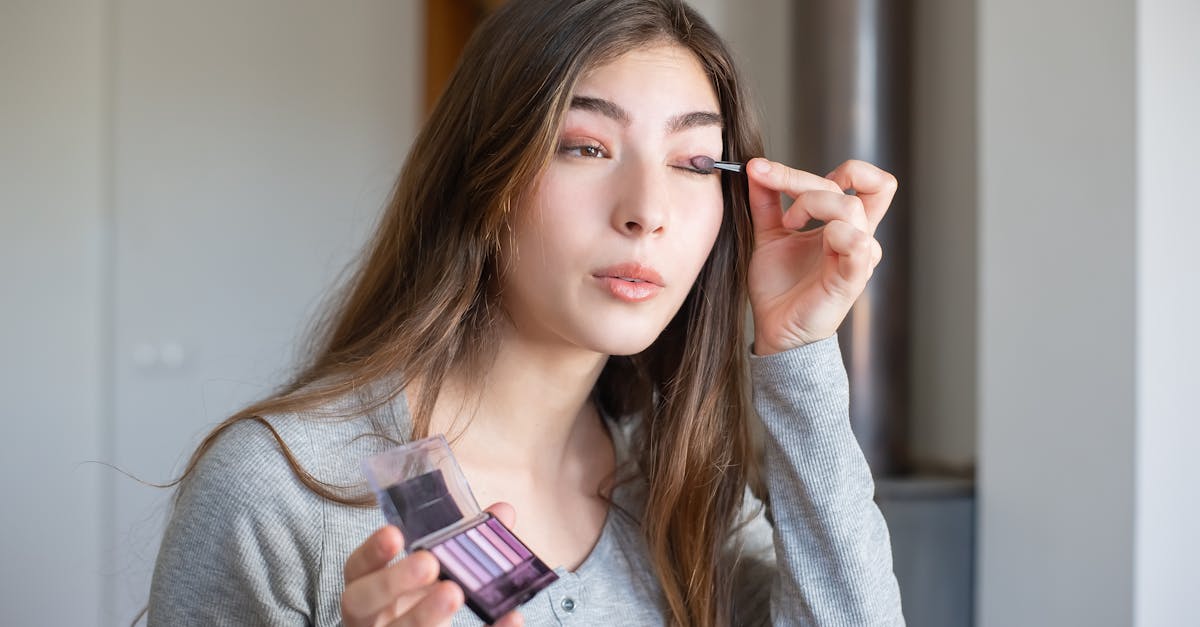 looks
looks Everyday Eye Shadow Looks You Can Do in 5 Minutes
Read Guide arrow_right_alt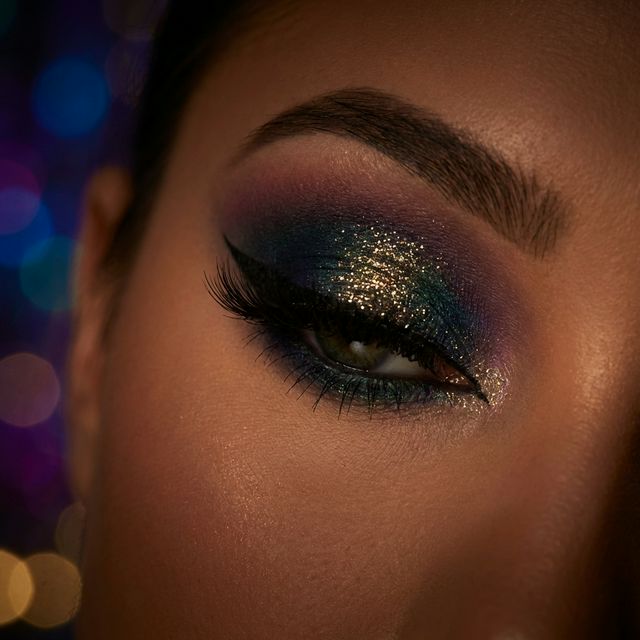 looks
looks Night Out Eye Makeup: Sparkle, Smoke, and Statement Looks
Read Guide arrow_right_alt looks
looks Office Eye Makeup: Professional Looks for the Workplace
Read Guide arrow_right_alt tutorials
 Natural Everyday Eyeshadow Look: A Step-by-Step You Can Do in 5 Minutes
Read Guide arrow_right_alt tutorials
 One Shadow Eye Looks: 10 Single-Shade Techniques That Actually Work
Read Guide arrow_right_alt looks
looks