An eyeshadow stick is the fastest eye look in a makeup bag: swipe, tap with a finger, done. No brushes, no palette, no blending marathon. The catch is that the category spans everything from six-dollar drugstore crayons to thirty-dollar luxury creams, and the listings all promise the same “one swipe, all day” result.
This page maps the eyeshadow-stick market as the Beauty Desk reads it: what each price band actually buys, which shade ranges and finishes behave, and when a stick is the right call at all. It sits next to — not on top of — the hooded-eyes sticks guide, which owns the crease-resistance question for lids that fold. This is the market-wide companion: price bands, brands, and stick-versus-palette math.
The Beauty Desk does not run a testing lab. Everything below is desk research: manufacturer listings, published reviews, and buyer complaints across retail sites. Where a claim is a manufacturer’s own marketing language, it stays in quotes. Prices are research snapshots, not live quotes.
What a stick is, honestly
An eyeshadow stick is a cream or cream-to-powder formula in a crayon or twist-up package. The format’s real advantages are speed and portability — it is eye makeup that fits in a pocket and applies without tools. The real trade-off is blending time: most sticks set within thirty to sixty seconds, and after that window they do not move. That speed is a feature on a commute and a liability for a smoky eye.
The formula families matter more than brand names, and they map roughly onto price:
- Cream-to-powder sticks set fast to a matte or satin finish. This is the drugstore band’s bread and butter, and the behavior most people want from a stick.
- Emollient cream sticks stay creamier longer, blend more easily, and crease more readily on oily or hooded lids. Luxury brands lean this way because the finish is more “lit from within.”
- Metallic and shimmer sticks carry pearl or glitter particles. Drugstore versions tend toward visible glitter; the luxury step-up is finer, more liquid-looking metallics.
For the full cream-versus-powder-versus-liquid comparison as categories, see cream vs powder vs liquid eyeshadow. For keeping any cream formula in place on oily lids, the primer guide at best eyeshadow primer for oily lids covers it.
The price bands, and what each one buys
Under $10: the drugstore workhorses
The $5-to-$10 band is where NYX and ColourPop live, and it is no longer a compromise zone. NYX’s Suede shade line and ColourPop’s crayon-format shadows deliver fast-setting cream-to-powder at drugstore prices, with shade ranges that have grown well past the original taupe-and-bronze basics.
Shade range: Broad and improving. ColourPop in particular cycles limited-edition shades constantly, which cuts both ways — availability of any single shade is not guaranteed long-term.
Finishes: Matte and satin dominate, with metallics that lean glittery rather than liquid-metal.
Honest limits: Shade refinement — the difference between a muddy taupe and a perfect greige — is where the cheap band shows. Packaging is plastic, and the twist mechanisms on some crayons feel like it.
Who this band is for: First-stick buyers, backup sticks, anyone building a two-stick kit on twenty dollars.
$10 to $25: the middle holds fewer surprises
This band is thinner than it used to be. e.l.f. and other “masstige” brands have pulled drugstore prices upward in quality while Mented and similar indie brands occupy the low-to-mid twenties with a specific pitch: shade ranges built for medium-to-deep skin tones, an angle the mass market historically underserved. Mented’s neutral sticks in particular get consistent praise for showing up true-to-pan on deeper skin rather than disappearing ashy.
Shade range: The specialty indies shine here — Mented’s range is the point of the brand, not an afterthought.
Finishes: Matte and satin with more sophisticated muted tones; fewer glitter bombs.
Who this band is for: Anyone whose skin tone the drugstore neutral range serves poorly; buyers who want one considered stick rather than three cheap ones.
$25 and up: the luxury creams
Bobbi Brown’s Long-Wear Cream Shadow Sticks and Laura Mercier’s eye-colour creams define this band. The observable differences from the mid band, in published reviews and buyer consensus: more refined shades (complex taupes, muted rose-golds), finer pearl in the metallics, and creamier initial application that still sets. Bobbi Brown’s shade count in this format runs to dozens, one of the widest luxury stick assortments.
Honest limits: These are still cream sticks. They crease on oily lids without primer, they set fast, and a $30 stick that smears performs worse than a $6 one that locks. The luxury buy pays for shade and finish sophistication, not for immunity from physics.
Who this band is for: Someone who has worn out the drugstore band and wants a specific perfect shade; gift purchases; anyone who wears one neutral stick daily and will use it to the bottom.
The dupe question, answered honestly
Every luxury stick has a claimed drugstore dupe somewhere on the internet. The desk view: formula families are similar across bands, and shade adjacency is real — a $6 cream-to-powder in a similar depth will give a related effect. But “dupe” overstates it. The luxury step-up is real in two places: shade complexity (muted, complex neutrals are genuinely hard to formulate) and pearl refinement in metallics. A drugstore matte neutral and a luxury matte neutral are close cousins; a drugstore metallic next to a luxury metallic is where the difference shows.
The practical move is not dupe-hunting but band-mixing: one drugstore matte workhorse plus one luxury metallic you actually wear. That kit costs less than two luxury sticks and outperforms six impulsive drugstore ones.
When a stick beats a palette
A stick wins when:
- Speed is the constraint. Weekday mornings, gym bags, desk drawers at work. Swipe-and-tap is unbeatable.
- You wear the same one or two shades constantly. A daily-worn stick gets used up; a 12-pan palette with 10 untouched pans does not get cheaper per use.
- Travel and touch-ups. One stick takes no space, needs no brush, and refreshes in seconds.
A palette wins when:
- You want layered, multi-step looks. Crease plus lid plus highlight is a three-finish job; palettes carry the range.
- Your looks rotate. Variety per dollar is a palette argument, full stop.
- You already own brushes and enjoy using them. Sticks exist to skip that step; if the step is the hobby, palettes serve it better.
The desk’s longer comparison of formats is in best eyeshadow palettes 2026, and the beginner path through both formats starts at how to apply eyeshadow for beginners.
Two-stick kits that work
If the goal is a minimal kit, the desk reading of listings and reviews supports these pairs:
- The neutral commuter: one matte cream-to-powder in your lid-adjacent depth, plus one satin a shade deeper for the outer corner. Both from the drugstore band; total under $20.
- The deep-skin neutral kit: Mented’s neutral sticks as the base band, with one metallic from any band for the inner corner.
- The one-luxury kit: one Bobbi Brown or Laura Mercier stick in a complex neutral you will wear weekly, plus a $6 drugstore matte as the workhorse backup. This is the band-mixing play.
On hooded lids specifically, placement and set-time matter more than any of this shopping advice — that is its own page: best eyeshadow sticks for hooded eyes.
Listing checks before you buy any stick
- Confirm the format. “Eye stick” listings sometimes mix lash tools and liners into the same search results. The stick should say shadow, shade, or eye colour in the product name.
- Shade-check against your depth. Drugstore swatch photos skew light. On deeper skin tones, the mid-band indies built for you are a safer blind buy than a mass neutral.
- Expect set-time behavior. If a listing promises “playtime,” read it as “blend in the first minute.” Nothing in this category blends all day.
- Check the cap mechanism. The most common buyer complaint across all bands is a cap that loosens in a bag and a stick that dries out. A clicking cap is a real feature.
For sourcing and how this desk works, see the editorial policy. Links on this page are not product placements; where shopping links appear across this site they are tagged and disclosed at how we make money.
Get weekly eye care & beauty tips
Guides from the Eyeshadow Looks Beauty Desk. No spam, ever.
Frequently Asked Questions
Are eyeshadow sticks better than palettes?
For speed and one-and-done washes of color, yes. A stick applies in seconds, blends with a finger, and skips brushes entirely. A palette wins when you want layered looks, precise crease work, or many finishes from one purchase. Most makeup bags end up holding both: sticks for weekday speed, a palette for occasions.
How much should I spend on an eyeshadow stick?
The $6 to $10 drugstore band now contains competent cream-to-powder formulas, so a first stick does not need to be expensive. The observable step up around $25 to $30 is in shade refinement and more sophisticated finishes (metallics that do not glitter-bomb, muted neutrals), not in basic longevity. Buy one drugstore stick and one mid-price stick before deciding where your taste sits.
Which finish should I choose in an eyeshadow stick?
Matte and satin sticks are the workhorses: they blend cleanly, layer under powder, and survive oily lids best. Metallic and shimmer finishes read more dramatic and crease faster on hooded or oily lids. A practical two-stick kit is one neutral matte plus one soft metallic for the inner corner and lid center.
Do cheap eyeshadow sticks crease?
Some do, and so do some expensive ones. Creasing tracks to formula behavior, not price: slow-setting, emollient sticks stay tacky and migrate, while fast cream-to-powder sets lock in place. On oily or hooded lids, a thin primer layer under any stick, regardless of price, is the single biggest crease reducer.
How do I stop an eyeshadow stick from drying out?
Cap it immediately after each use — the twist-up mechanism exposes the formula to air every time it stays open on the counter. Store sticks away from heat and sunlight, and wind up only what you need. A dried stick can sometimes be revived for a few uses by warming it against the back of your hand, but prevention beats revival.
Can I use an eyeshadow stick as eyeliner?
Yes, especially the thinner crayon formats. Swipe the stick along the lash line and smudge with a small brush for a soft liner look, or use the pointed tip of a chubby stick to tightline-adjacent areas. For a precise wing, a dedicated liner formula will always out-perform a smudgeable shadow stick.
Related Articles
 products
 Best Eyeshadow Sticks for Hooded Eyes: Crease-Resistant Picks That Stay Visible
Read Guide arrow_right_alt tutorials
 Cream vs. Powder vs. Liquid Eyeshadow: Which Formula is Right for You?
Read Guide arrow_right_alt products
 How to Wear Waterproof Eyeshadow: Smudge-Proof Formulas and Application Tips
Read Guide arrow_right_alt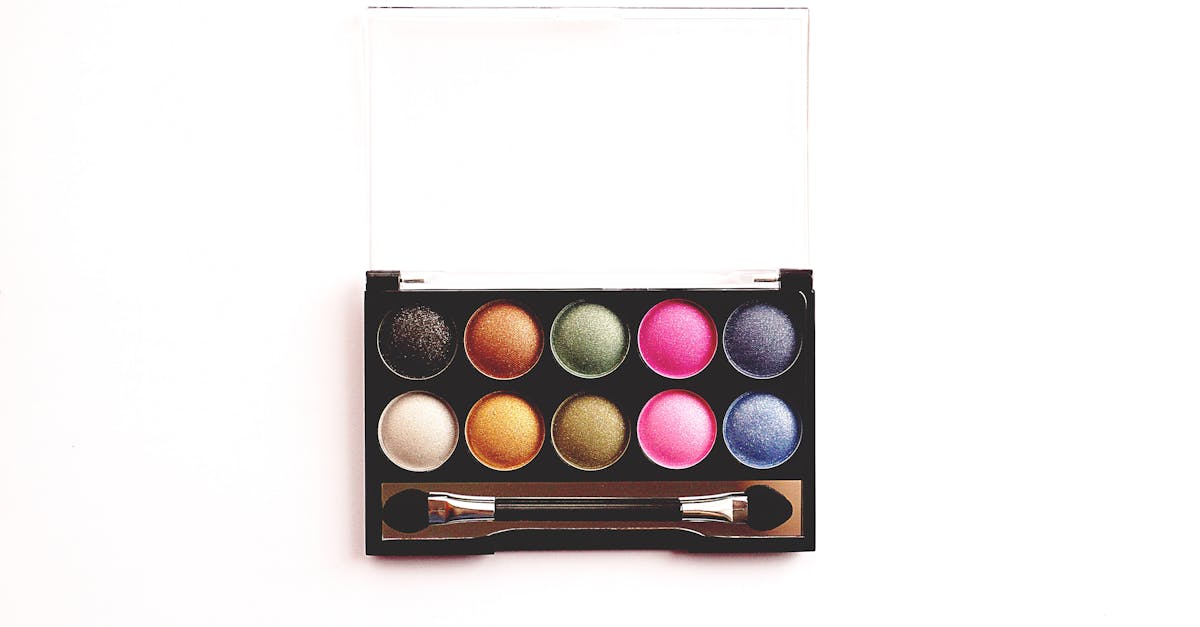 products
 Best Eyeshadow Palettes: Tested Picks Across Every Price Tier
Read Guide arrow_right_alt tutorials